At the community theater where I volunteer in Nashville, a man once tried on a 1940s wool jacket that looked perfect under the stage lights and completely swallowed him in the hallway. The shoulders dropped, the sleeves covered his hands, and the buttons sat several inches lower than they should. That is the problem behind theater costume real life fit: clothing designed to communicate character from 60 feet away does not automatically work when you are standing next to someone at a neighborhood party.
I have spent a decade fitting more than 5,000 men, and costume pieces create the same issues I see in regular fitting rooms. They are often built for speed, alteration, and visual effect rather than your exact body. The solution is not to reject theatrical clothing. It is to identify what makes the piece look like a costume, then adjust the parts that make it wearable. Fit first. The rest is noise.
Why stage clothing fits differently
Theater garments have a job. A jacket needs to show a character's social position, a coat needs to read from the back row, and trousers may need to survive quick changes, kneeling, or repeated performances. Costumers often leave extra fabric in seams because a $40 alteration is cheaper than rebuilding a garment after an actor gains or loses weight. That extra room can be useful, but it can also create a boxy silhouette on an ordinary body.
Color and texture also work harder on stage. A shiny vest, exaggerated shoulder, wide lapel, or high-contrast pattern helps an audience understand the character. At a dinner or office, the same detail can dominate the room. Theater costume real life fit starts with separating the story from the construction. Keep the useful structure, such as a strong wool jacket or excellent high-waisted trousers, and quiet the details that announce “period character.”
Look first at the shoulder seam. It should end close to your actual shoulder bone, not halfway down your upper arm. Next, check the jacket length. For most modern wear, the hem should cover the seat without reaching the middle of your thigh. Sleeves should show roughly a quarter-inch of shirt cuff when your arms hang naturally. These simple checks tell you more than the label size.
The alterations that make the biggest difference
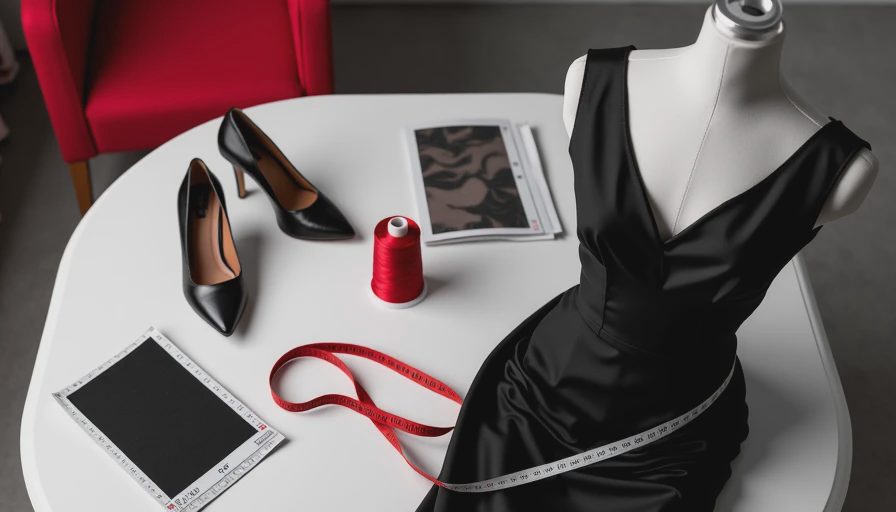
Start with the parts a tailor can fix cleanly. Sleeve length is often a straightforward adjustment, usually costing about $15 to $35 depending on buttons and lining. Trouser hemming commonly falls in the $15 to $30 range. Those changes can turn a borrowed-looking costume into something intentional in less than a week.
The waist is another strong candidate. A tailor can often take in or let out trousers by about one to two inches, provided the fabric and seam allowance permit it. Jackets are more complicated. Taking in the center back may cost $35 to $75, while changing shoulders or reshaping a collar can quickly exceed $100. Do not spend $150 altering a jacket whose shoulder seam is already wrong. Find a better base garment instead.
For theater costume real life fit, restraint matters. You do not need to remove every historical detail. A high waist can make a shorter torso look balanced. A longer jacket can help a tall, broad man look proportionate. The goal is to preserve the garment's useful line while making sure it agrees with your body. I have seen this on about 300 guys in fitting rooms: the best result usually comes from two modest alterations, not a dramatic reconstruction.
Choosing the right costume pieces for daily wear
Some pieces transition better than others. A cotton chore coat, textured tweed sport coat, plain wool trouser, cardigan, or leather belt can move into a normal wardrobe without much explanation. A velvet smoking jacket, military tunic, or aggressively flared trouser requires more judgment because the design carries a strong character reference.
Fabric tells people how formal and how theatrical a piece feels. Matte cotton, brushed wool, linen, and ordinary worsted wool are easier to wear than shiny polyester or heavily decorated brocade. A costume made from a synthetic blend is not automatically bad, especially if you need durability. Check whether it traps heat, makes noise when you move, or reflects indoor lighting. If the answer is yes to all three, it will probably feel like work after two hours.
Color gives you another practical lever. Deep navy, charcoal, olive, brown, cream, and faded denim combine easily with clothes you already own. A burgundy waistcoat or mustard jacket can work as an accent, but pair it with quiet pieces. Theater costume real life fit looks most natural when only one element tells the story. Let the rest of the outfit behave like regular clothing.
A simple fitting-room process
Bring the shoes you expect to wear. Costume trousers can look too long in sneakers and correct in boots, while a jacket hem may seem short when you are barefoot. Put on the shirt or knit layer that will sit underneath. Then stand, sit, reach forward, and raise both arms. Stage clothes often fit while standing still because they were pinned for a single pose. Real life includes loading groceries and reaching for a child in the back seat.
Take three photos: front, side, and back. Phone pictures expose dragging hems, a collar that stands away from the neck, and excess fabric at the lower back. Ignore the temporary ugliness of the fitting room mirror. Look at the lines. Does the jacket frame your shoulders? Do the trousers fall cleanly without pulling across the seat? Can you sit without feeling the waistband cut into you?
Ask the tailor to pin only one change at a time. If the sleeve is too long and the jacket is too loose, fix the sleeve first, then reassess. A garment can look different once the cuff sits correctly. This is the practical core of theater costume real life fit: test movement before spending money.

Building a normal outfit around a dramatic piece
The easiest formula is one costume-derived item plus familiar basics. Try a vintage-inspired jacket with a white Oxford shirt, dark straight-leg jeans, and plain leather boots. Wear a waistcoat over a chambray shirt with navy trousers rather than matching theatrical trousers. Use a military-style overshirt with a gray T-shirt and clean chinos. These combinations let the interesting item contribute texture without turning the whole outfit into a character.
Keep accessories quiet at first. A simple watch, brown belt, and unpatterned socks give the eye somewhere to rest. If the garment already has brass buttons, contrast piping, or a bold print, skip the statement hat and novelty jewelry. You are not hiding the piece; you are giving it enough ordinary context to make sense.
A useful price rule is to spend first on alterations, not accessories. A $60 thrifted jacket with $45 of sleeve and waist work can look better than a $250 jacket that fits poorly. Brands such as J.Crew, Spier & Mackay, and vintage Ralph Lauren can provide more predictable foundations, while costume shops are excellent sources for unusual texture and period details. Try both, but judge the garment on your body rather than its label.
When to walk away from a costume piece
Some problems are too expensive to solve. Pass on a jacket with badly damaged lining, brittle fabric, moth holes across the front, or shoulders more than a full size too wide. Be cautious with trousers that have no usable hem allowance or a rise so short that the waistband sits below your natural waist and pulls when you sit. A dry-cleaning odor can sometimes be removed, but permanent smoke damage and fragile elastic usually signal more work than the garment is worth.
For theater costume real life fit, the final question is simple: can you wear the piece for four ordinary hours without adjusting it every five minutes? If you can drive, sit, walk into a restaurant, and talk to someone without explaining the outfit, you have made the transition. The costume has stopped wearing you.
You do not need a closet full of unusual clothing. One well-fitted jacket, vest, or pair of trousers can give your regular jeans and shirts a new rotation. Take measurements, inspect the seams, budget for the obvious tailoring, and keep the rest of the outfit calm. That is how theatrical clothing earns a place in real life.




No letters yet — pray write the first.