A guy once came into the Bonobos Guideshop wearing a $180 shirt that looked like it had been borrowed from his older brother. The fabric was good. The color was fine. The fit was doing all the damage. That is the whole point of backstage rail men's style: useful clothes, chosen calmly, then adjusted for the actual person wearing them. No costume, no trend report, no requirement to enjoy shopping.
I spent 10 years helping more than 5,000 men solve this exact problem. Most did not need a new personality or a closet full of expensive labels. They needed a shirt with the shoulder seam in the right place, pants that did not collapse at the waist, and a jacket that could survive a full workday. Fit first. The rest is noise.
What the backstage rail actually means
Think of a backstage rail as the short clothing rack behind a theater curtain. It holds the pieces that make the scene work, but nobody is staring at the rack. A navy overshirt, dark jeans, gray chinos, a clean sneaker, and a textured sport coat can cover a surprising number of situations. That is backstage rail men's style in practice: a small cast of dependable clothes that can be rearranged without much thought.
The test is simple. Can you wear the item to a casual office, dinner with your wife, a school pickup, or a Saturday hardware-store run? If it only works in one highly specific setting, it is not pulling its weight. I am not against distinctive clothes. I own a few. But the foundation should make Monday morning easier, not give you another problem to solve before coffee.
Start with three colors you already wear. For many men, those are navy, gray, olive, white, denim, and brown. You do not need all six. A navy overshirt works with jeans or tan chinos. Gray trousers work with a blue oxford or a black polo. Brown leather shoes can connect both outfits. The less visual negotiation required, the more often the clothes leave the closet.

Fit before brand, price, or clever details
Here is what is actually happening with that shirt: the body may be the right size while the shoulders are wrong. If the shoulder seam sits more than about half an inch past your shoulder bone, the shirt will look loose everywhere, even after tailoring. If it stops short, you will feel trapped when you reach for the steering wheel. Buy for the shoulders first, then adjust the waist if needed.
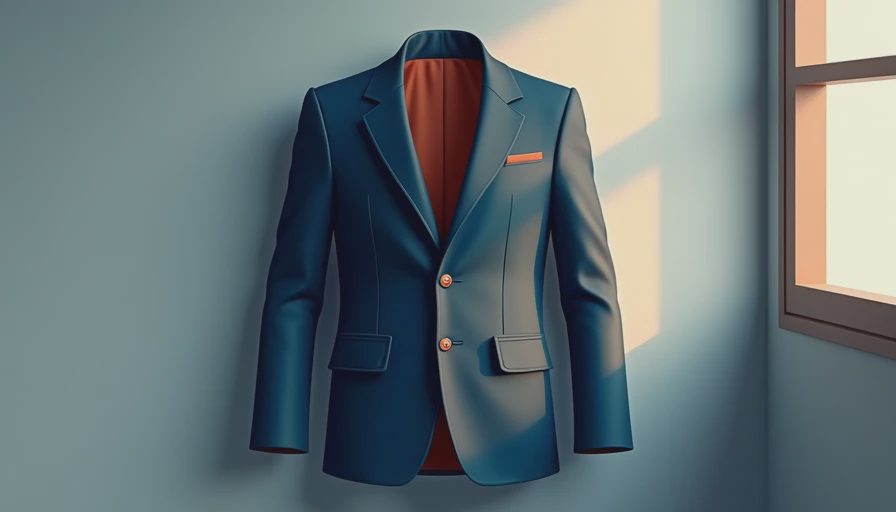
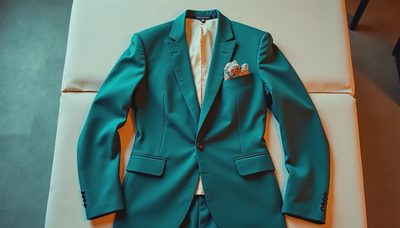
For jackets, button the top button and stand normally. You should be able to slide a flat hand between your chest and the fabric, but not make a fist. The lapels should lie flat rather than pulling into a noticeable X. Sleeves usually look cleaner when they show about a quarter to half an inch of shirt cuff. These are small measurements, but they change the entire impression.
Pants deserve the same patience. A waistband should sit securely without needing a belt to prevent sliding. You should be able to pinch roughly one inch of fabric at the thigh, not several inches and not zero. A straight or gently tapered leg is generally easier to live with than an aggressive skinny cut, especially if you spend the day sitting. Backstage rail men's style is not about hiding your body; it is about letting clothes follow it without fighting.
A $60 pair of chinos that fits can look more intentional than $180 chinos that puddle over your shoes. If the seat fits and the waist is slightly large, a tailor can often fix it for $15 to $30. If the rise, thighs, or pockets are fundamentally wrong, keep shopping. Alterations are for refinement, not miracles.
Build the rail in useful layers
The most efficient wardrobe has layers that change the temperature and the level of formality. A cotton oxford handles meetings and dinner. A merino crewneck adds warmth without the bulk of a sweatshirt. A chore jacket or overshirt gives a T-shirt enough structure for a restaurant. A lightweight unstructured blazer makes dark jeans look deliberate without making you look like you are headed to a board meeting.
For Nashville weather, where a warm afternoon can follow a cool morning, layers are not decoration. They are practical equipment. Look for cotton, washable merino, denim, canvas, and cotton-linen blends. You do not need dry-clean-only clothing for regular life. A $90 to $140 overshirt from J.Crew, Buck Mason, or Taylor Stitch can earn more wear than a flashy jacket that requires special handling every time it sees barbecue smoke.
Backstage rail men's style also benefits from texture. A brushed cotton shirt, knitted polo, or waffle henley gives a simple outfit some depth without loud graphics. If you wear navy jeans, try a heather gray top and brown shoes. If you wear olive pants, a cream oxford or faded blue shirt keeps the combination relaxed. The colors do not need to match; they need to make sense together.
Spend money where the fit cannot be faked
There are three places where a little extra money usually pays off: shoes, outerwear, and alterations. You do not need luxury versions. A $100 to $160 leather sneaker, a $150 pair of serviceable boots, or a $200 wool-blend coat can be a sensible purchase if the shape works and you will wear it weekly. Buy fewer pairs, keep them clean, and replace worn soles or laces before the whole outfit looks tired.
Shirts and knitwear can be affordable, especially when you know your measurements. Brands such as Uniqlo, Gap, J.Crew Factory, Lands' End, and Bonobos often cover the useful middle of the market. Their cuts differ, so do not assume your usual size transfers perfectly. A medium from one brand may have the same chest measurement as a large from another. The tag is a starting point, not a diagnosis.
This is where backstage rail men's style becomes a buying system rather than an aesthetic. Before purchasing, measure a shirt you already like across the chest, shoulder, sleeve, and back length. Compare those numbers with the product page. For pants, measure the waistband on a pair that stays comfortable after lunch. It takes five minutes and can prevent a $75 return, a wasted trip, and the familiar pile of clothes that almost work.
Three outfits that earn their place
For a casual office, wear dark straight-leg jeans, a light blue oxford, a navy overshirt, and clean leather sneakers. The shirt gives you a collar, the overshirt adds shape, and the denim keeps the outfit from feeling formal. If your office is more traditional, swap in gray chinos and a brown derby shoe.
For dinner, try olive chinos, a white or ecru knit polo, and a dark brown suede-style jacket. The tonal colors look considered without appearing assembled by committee. A simple watch is enough. Skip the extra bracelet, scarf, and decorative pocket square unless those things genuinely feel like you.
For a weekend with kids, wear midweight jeans, a washed T-shirt, a canvas chore jacket, and comfortable sneakers. The jacket gives the outfit a clean outline while remaining practical for a soccer field or a trip to the grocery store. This is the backstage rail men's style approach: one useful layer does more work than three fussy accessories.
A five-minute closet reset
Pull out the clothes you wear most often and place them together. Notice the pattern. You may discover that nearly everything is blue, gray, olive, white, and brown. That is helpful information, not a limitation. Remove anything that pinches, droops, itches, or requires an outfit you never actually wear. Put those pieces in a repair or donation pile instead of letting them occupy prime closet space.
Next, identify the missing link. If you have shirts and pants but nothing between a T-shirt and a blazer, buy an overshirt. If your outfits look fine until your shoes enter the room, replace the most tired pair. If every jacket is too short in the sleeves, take one to a tailor before ordering another. Backstage rail men's style works because each purchase solves a visible problem.
Take a phone photo of two outfits that feel good. Keep the photos for rushed mornings. This is not cheating; it is reducing unnecessary decisions. When you find a brand with a cut that works, record the size, fabric, and model name. The next purchase becomes comparison instead of gambling.
The goal is not to look dressed up all the time. It is to look like the clothes belong to you, fit your current body, and suit the life you are already living. Start with one pair of pants, one reliable layer, and one tailoring appointment. Build slowly, spend with a reason, and let backstage rail men's style stay practical. Fit first. The rest is noise.



No letters yet — pray write the first.