The best guys and dolls jacket lesson is not really about dressing like a gambler in a 1950s musical. It is about learning why a jacket looks intentional instead of accidental. I have watched thousands of men try on sport coats, and the problem is usually not taste. It is a shoulder seam sitting too far down, sleeves covering half the hand, or a jacket cut so tightly that breathing becomes a group project. The stage version gives us a useful starting point: strong shape, clear proportions, and enough comfort to move.
Start with the silhouette, not the costume
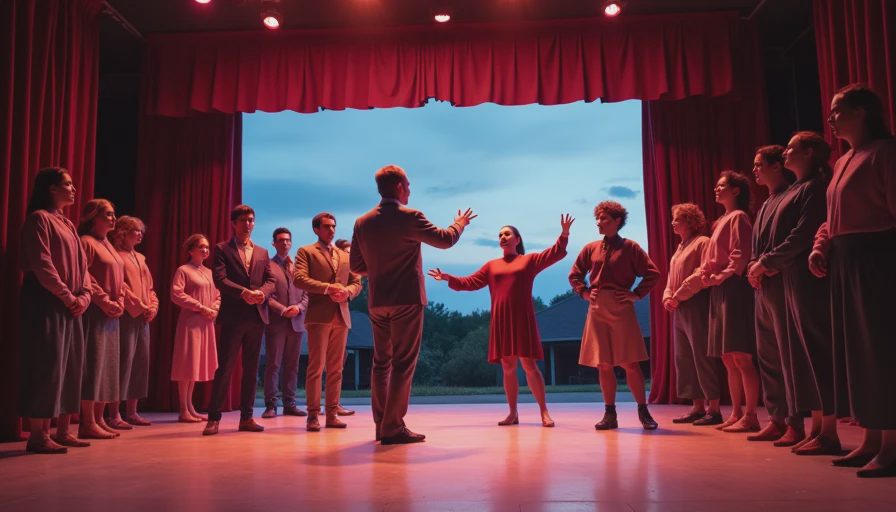
In Guys and Dolls, the jackets do a lot of visual work. Characters are often wearing tailored coats with defined shoulders, a clean chest, and a waist that narrows without squeezing. That shape helps an actor read from the back row. In normal life, you need less drama, but the underlying principle still works.
Choose a jacket that follows your shoulders and falls cleanly over your torso. The shoulder seam should end near the point where your shoulder ends. If it droops toward your upper arm, the jacket is too large or the cut is wrong. If it pulls into a diagonal wrinkle from the collar toward the armpit, it is probably too small across the chest.
The guys and dolls jacket lesson here is simple: structure should frame your body, not replace it. A man with a broad chest may look better in a lightly padded jacket with a moderate lapel. A shorter or slimmer man often benefits from a shorter coat and a narrower lapel, because excessive fabric can make him look swallowed. Neither choice is about hiding your body. It is about letting the clothing sit where it belongs.
The jacket details that make the difference
A classic stage jacket often has details that are easy to overlook until they are missing. Start with the lapel. A notch lapel is practical and versatile, while a peak lapel feels more formal and visually extends the shoulders. For a first jacket, a notch lapel between about 2.75 and 3.25 inches is a dependable range for most builds.
Then look at the button stance. A two-button jacket with the top button near your natural waist usually creates a balanced line. If the button is too high, your torso can look short. If it is too low, the jacket may appear dated or sloppy. Try sitting down before buying. The coat should close without a fight, and the front should not form a sharp X-shaped pull.
The guys and dolls jacket lesson also includes sleeve length. Your shirt cuff should show roughly a quarter to half an inch beyond the jacket sleeve when your arms rest naturally. That is not a rigid law, but it is a useful visual target. Alterations to sleeve length often cost $20 to $45, making them one of the most worthwhile changes you can make after purchase.
Pick fabric for your real calendar
Theatrical jackets can use shiny wool, bold stripes, or unusual textures because the lighting needs help. Your work calendar probably does not. For a wearable version, look for wool, a wool blend, cotton twill, or a textured linen blend depending on the season. Navy, charcoal, medium gray, olive, and brown will earn more outfit combinations than bright novelty colors.
A navy hopsack blazer around $150 to $350 can cover dinners, work events, school meetings, and the occasional wedding. A gray wool jacket is slightly dressier and works well with dark denim, chinos, or matching trousers. If you live somewhere warm, including Nashville, an unlined or half-lined cotton-linen jacket can be more comfortable from May through September. The tradeoff is that linen wrinkles. That is not a defect; it is the fabric reporting honestly on your day.
When considering the guys and dolls jacket lesson, remember that texture gives a simple coat personality. A subtle herringbone, brushed cotton, or small windowpane pattern can make a jacket interesting without forcing you into a full costume. Avoid anything that feels like a rental tuxedo unless you specifically need evening formalwear.
Make the fit work for your body
Here is what is actually happening with a jacket that feels almost right: the torso can often be altered, but the shoulders are expensive and difficult to change. Buy the shoulders first. A tailor can usually adjust the waist, sleeve length, jacket length in limited circumstances, and trouser waist. A tailor cannot turn a 44-long shoulder into a comfortable 42-regular without rebuilding the garment.
For a fuller midsection, avoid sizing up until the shoulders hang off the body. Instead, try a roomier cut, a two-button front, and trousers with a proper rise. For a muscular chest, look for brands that offer separate jacket and trouser sizing or athletic cuts. Bonobos, J.Crew, SuitSupply, and department-store house labels all offer different patterns, so the label matters less than the actual fit on you.
The guys and dolls jacket lesson is especially useful for men who dislike shopping: try three jackets in the same size from different brands. One may pull at the upper back, another may collapse at the collar, and the third may simply sit correctly. That comparison teaches you more than staring at a size chart for twenty minutes.

Build the outfit without overdoing it
A stage-inspired jacket works best when the rest of the outfit stays calm. Pair a navy jacket with a white or pale blue Oxford shirt, gray trousers, and dark brown loafers. For a less formal version, use a knit polo, straight-leg chinos, and clean leather sneakers. A pocket square is optional; if you use one, choose a simple cotton or linen square rather than matching it exactly to your tie.
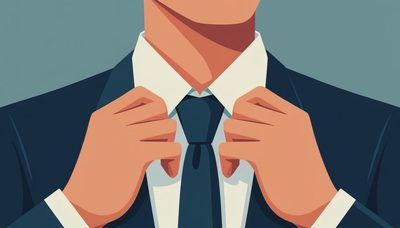
The shirt collar should fit comfortably with about one finger of space, and the collar points should sit beneath the jacket lapels. Trousers should rest at your natural waist instead of hanging low on the hips. A small break at the shoe is usually easier to wear than a heavily stacked hem. These details are quiet, but together they create the polished effect people often attribute to expensive clothing.
In my fitting-room years, I saw men spend $700 on a suit and still look less put together than a man wearing a $220 jacket that had been pressed and shortened correctly. Price helps only when the pattern fits. The guys and dolls jacket lesson is not a spending challenge. It is a reminder to spend your alteration budget before your costume budget.
A practical fitting-room checklist
Try the jacket over the shirt you expect to wear with it. Button it while standing, then sit, reach forward, and raise both arms slightly. Check that the collar touches your neck without a gap, the lapels lie flat, and the vents do not strain. Look at the back in a mirror. Horizontal wrinkles usually indicate tightness; vertical excess can often be cleaned up by a tailor.
Ask how much the sleeves and waist can be altered before you buy. A jacket marked down to $80 is not a bargain if fixing it costs another $100 and still leaves poor shoulders. On the other hand, a $180 jacket with $40 of sleeve and waist work can look remarkably sharp for years.
That is the useful guys and dolls jacket lesson: fit first, then fabric, then details. The music, characters, and old-school swagger are fun, but the clothing works because every piece supports the body wearing it. You do not need a theatrical wardrobe. Start with one jacket that fits your shoulders, works with three pairs of trousers, and lets you move through an ordinary Tuesday. Fit first. The rest is noise.
No letters yet — pray write the first.