A man once came into the Bonobos Guideshop wearing a $180 shirt that looked more like a borrowed tent than a shirt. He assumed the problem was his body. It was not. The sleeves were too long, the shoulders were too wide, and the fabric collapsed around his waist. That is the practical meaning of men's clothing character signal: people read small visual decisions before they hear your explanation. Fit, color, condition, and context quietly suggest whether you are careful, relaxed, capable, hurried, or trying too hard.
That does not mean dressing is a performance. You do not need a closet full of expensive pieces or a personality transplant. You need clothes that fit your actual frame and support the situation you are walking into. Fit first. The rest is noise.
What men's clothing character signal really means
Clothing is information, but it is not a permanent character verdict. A clean oxford shirt with sleeves ending near the wrist can suggest preparation. A faded work jacket can suggest practicality. A wrinkled collar, missing button, or trousers pooling over your shoes can suggest that the details were not worth your attention that morning. Often, observers are responding to maintenance rather than brand names.
The useful question is not, "What does this outfit say about me?" That can send you into an expensive spiral. Ask instead, "What do I want this outfit to make easier?" For a job interview, you might want calm competence. For a weekend cookout, you may want to look approachable without appearing like you dressed for an office. For a parent-teacher meeting, clean dark jeans, a knit polo, and leather sneakers can land in the middle.
In my fitting room, men's clothing character signal usually improved after one simple adjustment: the clothes stopped fighting the body. A shirt that follows your shoulders and hangs cleanly from the chest says more than a louder pattern ever will.
Fit is the loudest signal in the room
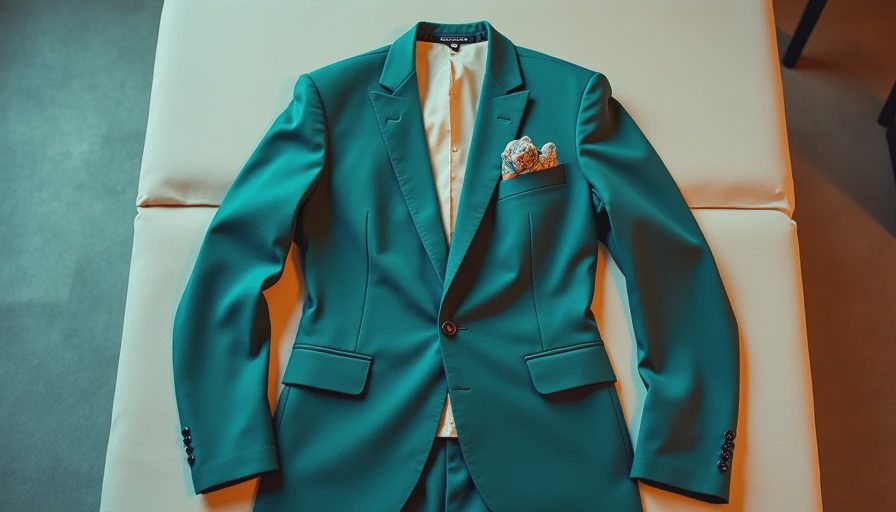
Here is what is actually happening with that shirt. When the shoulder seam sits several inches down your upper arm, the whole garment looks too large, even if the chest measurement is technically correct. When the seam pulls toward your neck, the shirt looks too small. The correct seam should sit close to the point where your shoulder turns into your arm.
For a jacket, the collar should rest against your shirt collar without a gap. The lapels should lie flat, and you should be able to button the jacket without an obvious X-shaped strain line. For trousers, the waistband should stay in place without a belt doing emergency rescue work. A small, clean break at the shoe is usually easier to live with than a stack of fabric around the ankle.
Fit is not the same as tightness. A large man does not need to hide inside extra fabric, and a slim man does not need to squeeze into narrow cuts. Try one size up and one size down, then compare the shoulder, seat, and rise. Those areas tell you more than the number on the tag.
Color and condition change the message
Color affects the men's clothing character signal because it changes how formal, energetic, or restrained an outfit feels. Navy, charcoal, olive, white, and medium blue are useful because they combine easily and rarely overpower the wearer. Rust, mustard, burgundy, and patterned shirts can work too, but one noticeable color is usually enough for a normal weekday outfit.
Condition matters just as much. A $35 navy polo with a smooth collar and no pilling can look sharper than a $125 polo with stretched cuffs. Check the high-friction zones: the neck, underarms, elbows, pocket edges, and seat of the trousers. Replace pieces when repair is no longer sensible. A loose hem costs little to fix, while a shirt with permanent collar curl is usually telling the story for you.
This is not an argument for sterile clothing. I wear an old T-shirt when I am mixing pizza dough at home, and my 2014 F-150 has plenty of flour in it. The point is matching condition to purpose. Workwear can look intentional when the rest of the outfit is clean and the fit is right.
Build a reliable signal with fewer clothes
A practical closet can start with two pairs of trousers, three casual shirts, one knit polo, one unstructured jacket, and two pairs of shoes. Look for combinations rather than isolated purchases. Dark denim can work with a white oxford, a gray sweater, or an olive overshirt. Khaki chinos can handle a blue button-down, a navy polo, or a simple crewneck.
Before buying, perform a three-question test. Does the garment fit the shoulders, waist, or seat without major alteration? Can you name at least three things already in your closet that work with it? Will you wear it in the next two weeks? If the answer is no twice, leave it on the rack. Sale prices do not turn unused clothing into smart purchases.
Brands such as Uniqlo, J.Crew, Bonobos, Lands' End, and Banana Republic offer different cuts and price levels, but the label cannot solve a poor shape match. A $60 alteration can rescue a $100 jacket. It cannot move a shoulder seam or change a fundamentally wrong block.
Use context instead of chasing approval
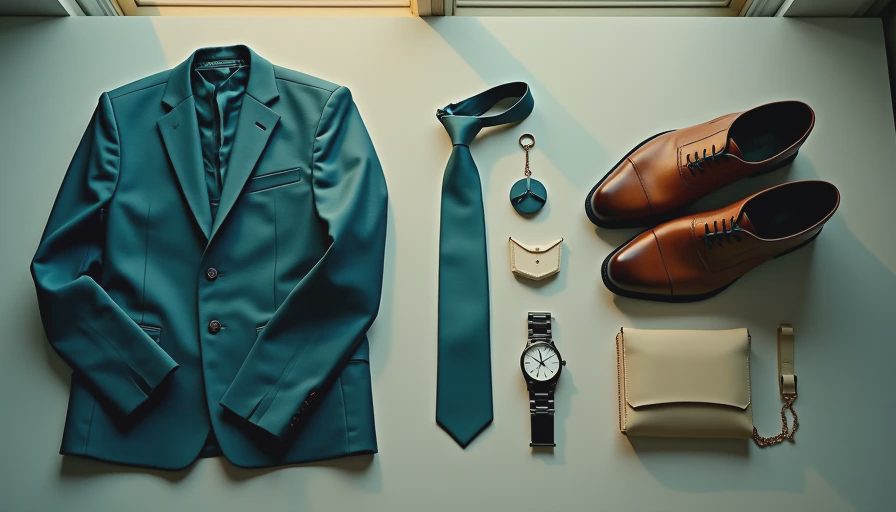
The strongest men's clothing character signal is often context awareness. Dress one notch cleaner than the casual end of the group, then stop. At a Nashville office with jeans and sneakers, dark jeans, a tucked shirt, and clean leather shoes may be enough. At a wedding, a suit that fits the shoulders and trousers that reach the shoe will beat a fashionable suit worn two sizes too large.
If you are unsure, ask someone who understands the setting, not someone who simply likes shopping. A coworker can tell you whether a meeting is jacket-level. A tailor can tell you whether a sleeve can be shortened. Your partner can offer an opinion, but you still need to stand, sit, reach, and walk in the clothes before deciding.
Context also prevents overbuying. You do not need a new wardrobe for one dinner. Add one useful piece, repeat what already fits, and pay attention to how the outfit functions after three hours. Comfort is not laziness; it is part of looking natural.
A five-minute check before leaving
Stand in front of a mirror and inspect the outfit from the side, not only straight on. Check whether the shirt pulls across the chest, whether the jacket collar gaps, and whether the trousers bunch at the ankle. Sit down to see if the waistband or pockets distort. Look at your shoes: scuffed toes and worn-down heels can undermine otherwise solid clothes.
Then remove one unnecessary element. That might be a bright belt, a second pattern, a bulky wallet, or a jacket you are carrying only because you think you should. Most outfits improve when the useful pieces have room to register.
Men's clothing character signal is not about becoming someone else. It is about making the outside agree with the situation and the person already there. Start with one shirt that fits the shoulders, one pair of trousers with the right rise, and a color combination you can repeat. Spend less time shopping, make fewer bad purchases, and let fit do the talking.



No letters yet — pray write the first.