A few years ago, a community theater volunteer handed me a pair of trousers, a sport coat, and a hat that looked like it had survived three world wars. He needed to play a small-town banker by that evening. The clothes were technically the right size, but nothing about the character worked. That is where costuming lessons for men start: clothing has to fit the person wearing it and communicate something about who that person is.
After ten years fitting more than 5,000 men at Bonobos Guideshops, I learned that most guys are not bad at clothes. They simply have not been shown what to look for. Costuming is useful because it makes those details obvious. A jacket changes your posture. A shirt collar suggests formality. Shoes tell people whether the character is practical, wealthy, careless, or trying too hard. You can use the same principles when dressing for work, weddings, dates, or a backyard party.
Start With the Body, Not the Character
The first mistake in costume dressing is reaching for the loudest item. A bright vest, vintage hat, or exaggerated jacket can be fun, but it cannot rescue poor fit. If the shoulder seam hangs several inches past your shoulder, the jacket will look borrowed. If the trouser rise is too short, you will spend the entire evening pulling at the waistband instead of acting like a confident person.
Try on the base layer first. For a shirt, the collar should close without pressing into your neck, and the shoulder seam should sit near the edge of your shoulder. You should be able to pinch roughly an inch of fabric at the side of the torso, not gather a handful. Sleeves should finish near the wrist bone. These are small checks, but they create a clean frame for the costume.
With trousers, focus on the waistband, seat, and break over the shoe. A little fabric at the ankle can look period-appropriate; a puddle of fabric makes you look like you lost a bet. A tailor can usually adjust a waistband, hem trousers, or shorten sleeves for $15 to $60, often less than replacing a costume piece that never looked right.
Use Silhouette to Explain the Role
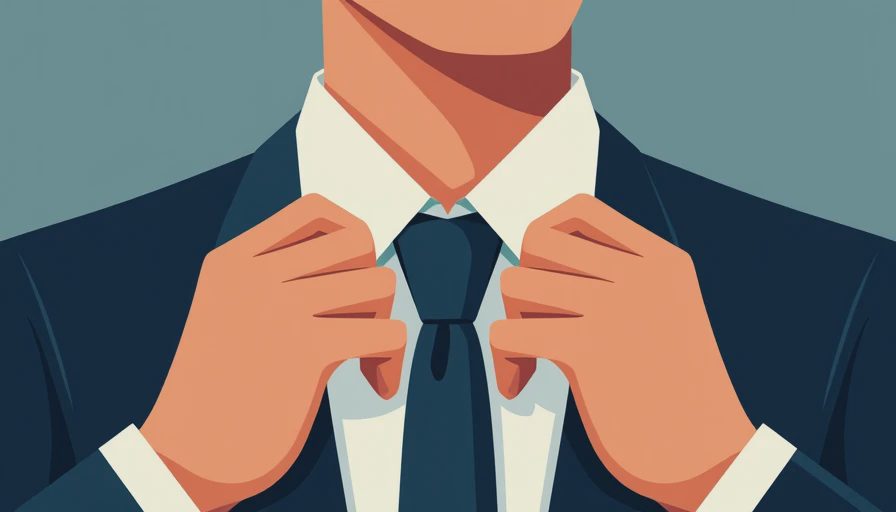
Silhouette is the broad outline people notice before they see buttons, patterns, or accessories. This is one of the most useful costuming lessons for men because it works quickly. A square, structured jacket can suggest authority. A soft cardigan and relaxed trousers feel approachable. Narrow lines can look energetic, while fuller shapes can make a character seem established, comfortable, or physically imposing.
You do not need extreme proportions to make the idea clear. Start with one deliberate contrast. Pair a fitted shirt with roomier trousers, or use a cropped jacket over a longer untucked shirt. For a nervous office worker, a jacket that is slightly too formal with modestly worn shoes can tell a story. For a confident contractor, sturdy boots, a canvas overshirt, and straight-leg jeans do the work without a theatrical costume-store finish.
The goal is not to disguise your body. It is to give your body a readable outline. A man with a broad chest often looks better in a jacket with natural shoulder structure than in a padded coat that adds unnecessary width. A shorter man usually benefits from similar color values between his shirt and trousers, which creates a longer visual line. Fit first. The rest is noise.
Color Should Have a Job
Color is easier when you stop treating it as decoration. Ask what the color tells the audience or the people around you. Navy, charcoal, and brown usually feel dependable. Olive, rust, and mustard can suggest workwear, age, or a connection to the outdoors. White draws attention and reflects light, while black creates a sharper, more formal impression.
For a costume, choose one main color family, one supporting neutral, and a small accent. A fictional 1950s salesman might wear a medium-gray suit, a white shirt, a burgundy tie, and brown shoes. The outfit has enough information to establish a type without looking like a rental package. For a modern dinner, the same principle could mean dark denim, a cream knit polo, and a rust-colored overshirt.
Be careful with matching. Matching your shirt, tie, pocket square, and socks exactly can make the outfit look assembled by a computer. Repeating a color once is usually enough. A muted green in a watch strap can quietly connect to a jacket without turning the entire outfit into a theme park employee uniform.
Build a Costume From Ordinary Clothes
Good costuming lessons for men should work on a regular budget. You can build a convincing look from clothes at J.Crew Factory, Uniqlo, Levi's, Target, or a local thrift store. A $35 overshirt with good structure can be more useful than a $150 novelty jacket. The question is whether the item has the right fabric weight, shape, and condition for the role.
Start with a foundation you already own: dark jeans, chinos, a button-down shirt, or a plain crewneck sweater. Then add one period or character-specific piece. A knit tie, suspenders, chore coat, western shirt, or leather belt can shift the message. This approach also keeps your closet practical after the event. I have seen men spend $200 on a costume they wore once when a $60 combination of thrifted pieces would have done a better job.
Inspect fabric before buying. Cotton twill, denim, wool blends, corduroy, and canvas tend to look more believable than thin synthetic material under ordinary indoor lighting. If the costume requires a jacket, check the lining, button placement, and lapel width. Those details reveal whether a piece feels like real clothing or a prop.
Accessories Finish the Story
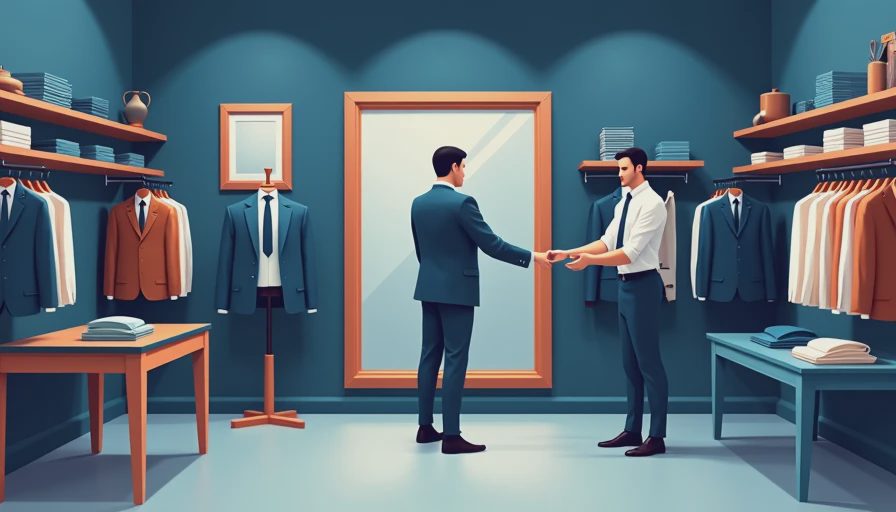
Accessories should support the character, not announce that you are wearing accessories. A watch, belt, glasses, hat, or bag can provide a useful final signal, but too many signals compete. Start with the item most connected to the role. A mechanic may need a battered canvas cap and a practical watch. A lawyer may need a leather folio and restrained shoes. A retired teacher might be better served by a cardigan and reading glasses than by an oversized novelty brooch.
Scale matters. A very small hat can look accidental on a larger frame, while a wide-brimmed hat can overwhelm a narrow face. Belts should generally coordinate with shoes in formality and color, though they do not need to be identical. If you wear glasses, make sure the frames fit your face instead of sliding down your nose every time you turn your head.
Comfort is part of believability. If you cannot sit, walk, or lift your arm, the costume will show its weakness. Wear the full outfit at home for 20 minutes. Sit in a dining chair, walk up stairs, and look at the back in a mirror. The best costume is one you can forget you are wearing.
A Simple Fitting-Room Process
When shopping for a costume or a normal outfit, take three versions of the same idea into the fitting room: your usual size, one size up, and one size down. Men often assume the middle option must be correct, but brands cut differently. Compare the shoulder, collar, waistband, and seat before judging the mirror image.
Take a quick phone photo from the front and side. The side view catches a shirt that balloons at the stomach or a jacket that pulls across the back. For jackets, button the top button and raise both arms. If the front strains into an X shape, try another cut. For trousers, sit down and check whether the waistband digs in or the pockets flare.
Costuming lessons for men are ultimately lessons in observation. Notice what the clothing is doing, then make one adjustment at a time. Hem the trousers before buying new shoes. Change the shirt before replacing the jacket. Remove one accessory before adding another. These decisions save money and prevent the familiar closet full of clothes that almost work.
Whether you are dressing for a community theater production in Nashville, a themed party, or Monday morning at the office, the same rule holds: make the fit believable, give every color a purpose, and let one strong detail carry the story. Costuming lessons for men do not require a new personality or a huge wardrobe. They require patience, a mirror, and clothes that cooperate with the body you actually have.



No letters yet — pray write the first.