I once watched a man walk into a fitting room, try on a $65 overshirt, and stand differently before he had even looked in the mirror. That is the idea behind actor trick room confidence: use clothing, posture, and a few practiced cues to feel more at ease in a room. It is not about pretending to be somebody else. It is about removing the small distractions that make you tug at your sleeves, hide your stomach, or wonder whether your outfit is working.
I spent ten years fitting men at Bonobos Guideshops, and I saw this shift hundreds of times. The right shoulder seam could make a jacket feel natural. A shirt that did not pull across the chest could let a guy stop thinking about his buttons. Fit first. The rest is noise.
What actor trick room confidence actually means
The phrase sounds like a stage exercise, but the principle is useful for regular life. An actor entering a room has a job: establish presence before speaking. You can borrow that approach for a client meeting, wedding reception, first date, or crowded restaurant without turning into a motivational speaker in a velvet jacket.
Start with three details. Your clothes should sit cleanly on your body, your shoes should feel stable, and your first movement should be unhurried. That combination tells your brain that you are prepared. Confidence often follows the physical signal instead of arriving first.
The trick is not wearing something loud. A navy knit polo, dark straight-leg jeans, and clean leather sneakers can create more authority than a flashy patterned shirt that needs constant adjustment. The room does not need a performance. It needs a man who looks comfortable in his clothes.
Fix the fit before you practice the performance
Here is what is actually happening with that shirt: if the collar is choking you, the sleeves stop above your wrist, or the buttons pull across your midsection, your attention keeps returning to the garment. No breathing exercise can fully compensate for a bad fit.
For most men, the first check is the shoulder seam. On a woven shirt or jacket, it should land close to the point where your shoulder drops into your arm. If it sits two inches down the sleeve, the garment is too large, even if the chest feels comfortable. If it sits on top of your shoulder, the garment is too small or cut too narrowly.
Next, check the body. You should be able to pinch roughly one to two inches of fabric at the side without the shirt ballooning. T-shirts should skim rather than cling. Trousers should rest securely at the waist without needing a belt to do all the work. These small corrections create the foundation for actor trick room confidence because you stop managing your clothes.

A tailor can usually improve sleeve length, trouser length, and shirt shaping for about $15 to $40 per alteration, depending on the item and your city. That is often a better investment than replacing an entire closet. I have sent men home with the same clothes after a simple hem and button move, and they looked like they had spent twice as much.
Use a simple outfit formula
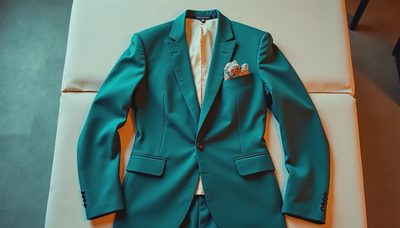
When you need to feel steady, reduce the number of decisions. Choose one reliable formula and change only the color or texture. A practical version is an unstructured navy blazer, light blue Oxford shirt, dark denim, and brown loafers. For a more casual room, use a heavyweight crew-neck T-shirt, olive overshirt, five-pocket pants, and low-profile sneakers.
The formula works because each piece has a clear job. The jacket creates shape. The shirt adds a clean vertical line. The dark pants keep the lower half quiet. The shoes finish the outfit without asking for attention. Brands such as J.Crew, Uniqlo, Taylor Stitch, and Banana Republic often offer accessible versions in the $30 to $200 range, so this is not an instruction to finance a new personality.
Actor trick room confidence becomes easier when your outfit has a focal point. Pick one: a textured jacket, a good watch, a knit tie, or interesting glasses. Two or three statement items compete with one another and make you look like you dressed by committee.
Enter the room like you belong there
Clothing helps, but movement finishes the job. Before entering, put both feet on the floor, lower your shoulders, and exhale longer than you inhale. Then walk at your normal pace. Do not speed up because you feel watched; rushed movement broadcasts discomfort more clearly than a wrinkled shirt.
At the doorway, pause for half a second and scan the room. Find the host, your colleague, or one open area where you can stand. This gives your brain a task and prevents the familiar habit of looking down at your phone. Make eye contact, smile briefly, and use a plain greeting. You do not need a clever opening line.
One useful actor trick room confidence drill is to rehearse the first ten seconds at home. Put on the actual outfit, stand in a doorway, and say your introduction once. It feels slightly ridiculous. So does filming yourself trying to learn a golf swing, but the repetition removes surprises.

Build confidence with practical details
Pay attention to the parts people often ignore. Deodorant should be fresh, but fragrance should stay close to the skin; one or two sprays are enough for most settings. Clean your shoes, empty your noisy pockets, and carry a handkerchief if you tend to sweat. A $12 lint roller can rescue a dark jacket faster than a new shirt can.
Your bag matters as well. A battered backpack can undermine a business-casual outfit, while a simple canvas tote or leather-look briefcase creates a more intentional finish. Keep your phone on silent. Confidence drops quickly when you keep checking notifications or fumbling with keys.
If you wear glasses, make sure they do not slide down your nose. If you have facial hair, define the neckline and cheek edges without chasing perfect symmetry. These are maintenance issues, not moral judgments. The goal is to make your appearance quiet enough that the conversation gets the attention.
A five-minute routine before you leave
Use this sequence when you have somewhere important to be:
- Put on the complete outfit, including shoes, and sit down once. If anything pinches or rides up, change it now.
- Check the shoulder seams, shirt collar, trouser break, and shoe condition in natural light.
- Remove one accessory. Most men look more composed when they edit rather than add.
- Take five slow breaths, keeping your jaw loose and your hands relaxed.
- Rehearse your greeting and one easy question, such as, “How do you know the host?”
- Leave with ten minutes of spare time so traffic or parking does not turn your entrance into a sprint.
This routine is the practical side of actor trick room confidence. It creates a repeatable process rather than asking you to summon courage from nowhere. After a few repetitions, your clothes and movements start to feel familiar.
The best confidence upgrade is usually smaller
You do not need a dramatic makeover. Start with one pair of trousers that fits at the waist, one shirt with the right shoulder seam, and one pair of clean shoes. Spend $100 to $250 on those pieces before buying five more items. Try them on sitting, standing, and reaching forward. If the fit survives all three positions, you have a useful foundation.
Then notice what changes. You may speak a little slower because you are not tugging at your cuffs. You may stay at the table longer instead of searching for an exit. That is the real value of actor trick room confidence: not looking like an actor, but feeling less distracted by your own presentation.
I have never believed that style should become another chore. Get the fit right, choose a quiet outfit formula, practice your entrance, and let the room meet the version of you that was already there.



No letters yet — pray write the first.