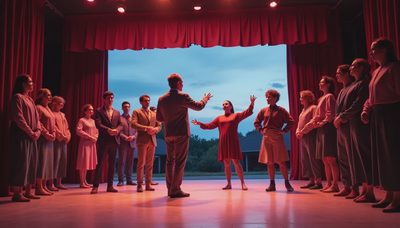
A guy once came into the fitting room before a community theater production with a navy blazer that looked perfectly normal at home. Under the stage lights, it turned almost purple. He thought the jacket was defective. It was not. The issue was color in real life vs stage, and the same problem can affect your clothes at weddings, presentations, photographs, and events with strong indoor lighting.
I have spent years helping men choose clothing that works on an actual body, not just on a store hanger. I also volunteer backstage at a local theater, which has taught me an important lesson: a shirt can look calm and understated in your bedroom but become bright, flat, or strangely warm under artificial light. Fit first. The rest is noise, but color deserves a close second when lights are involved.
Why color changes under stage lighting
The simplest explanation is that light determines what your eyes see. Sunlight contains a broad mix of wavelengths, so fabric usually appears close to the color you expected. Stage lighting is more selective. A blue LED, a warm spotlight, or a colored gel can emphasize some wavelengths and suppress others.
That is why color in real life vs stage is not really a disagreement between two colors. It is one fabric reacting to two different light sources. A burgundy shirt can look rich in daylight, nearly brown under an amber light, and dull under a cool blue wash. A gray suit can appear greenish or lavender depending on the surrounding colors.
Fabric texture matters too. A smooth worsted wool reflects light evenly and often looks controlled. Velvet, corduroy, brushed cotton, and shiny synthetic blends catch highlights differently across the surface. On stage, those changes can make a garment look lighter in one area and darker in another. The more texture or sheen a piece has, the less predictable it becomes.
The colors most likely to surprise you
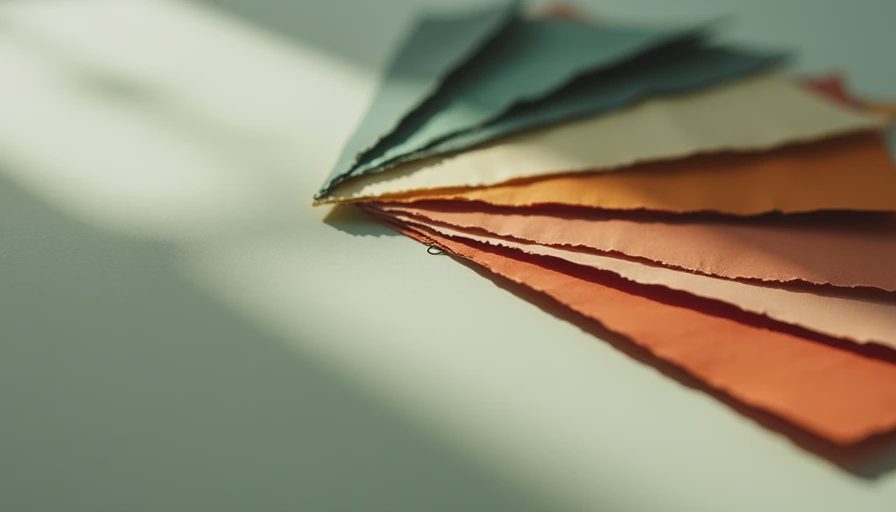
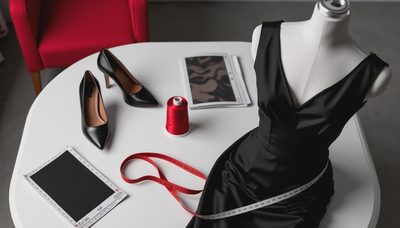
Navy is a dependable choice for everyday clothing, but under warm lights it can move toward purple or charcoal. Royal blue can become extremely intense. Black usually stays dark, yet a glossy black fabric may reflect colored light and look blue, green, or brown around the edges.
Red is another tricky one. Bright red can become overpowering under a strong spotlight, while a muted red may disappear into brown. Orange and yellow are highly responsive to warm lighting and can look louder than expected. White does not always remain neutral either; it can appear cream, blue, pink, or gray depending on the bulbs and nearby surfaces.
When people ask me about color in real life vs stage, I usually tell them to be cautious with very saturated shades. Saturated means a color looks strong and intense rather than muted. A saturated shirt may be fine for a casual party, but it can dominate photographs or pull attention away from your face during a presentation.
For most men, mid-range colors are easier to control. Think denim blue, slate, olive, burgundy, camel, medium gray, and soft white. These shades still have personality, but they give lighting less opportunity to take over the entire outfit.
How to test an outfit before an event
Start by looking at the garment in natural daylight. Stand near a window, but do not press the fabric directly against the glass. Then check it under the actual indoor lighting where you will wear it. A bathroom with warm bulbs is useful, as is a hallway with cooler overhead LEDs.
Take a few phone photographs from several feet away. Do not rely only on a close-up selfie because phone cameras automatically adjust exposure and color balance. A full-body image shows whether the shirt, jacket, and trousers still relate to one another when the outfit is viewed as a whole.
If you can visit the venue, bring the garment and hold it near the stage, lectern, or seating area. You are not trying to recreate every lighting cue. You are checking whether the color suddenly becomes too bright, too dark, or too close to the background.
This test is especially useful for wedding guests, speakers, musicians, and men appearing in professional video. A jacket that looks elegant in person may read as nearly black on camera. A pale shirt may reflect so much light that your face appears darker by comparison. Neither problem is solved by buying a more expensive brand.
Choosing clothes that behave well on camera
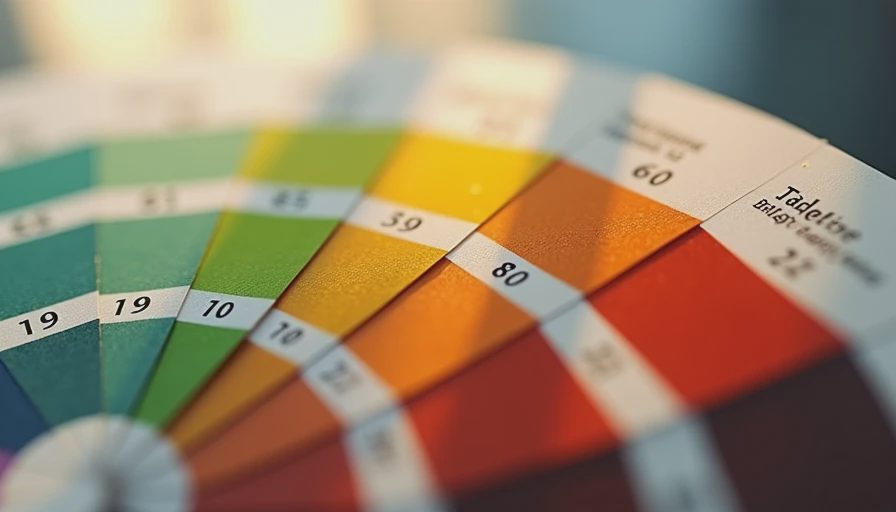
Cameras introduce another layer to color in real life vs stage. Automatic white balance attempts to make neutral objects look neutral, but it can struggle when the frame contains strong red, blue, or green lighting. Fine stripes and tight checks can also create distracting patterns on video, especially when the camera is several feet away.
For a recorded interview or work presentation, a solid shirt in a medium blue, muted green, soft gray, or restrained burgundy is usually easier to manage than neon colors or brilliant white. A matte fabric is often safer than satin or a high-shine synthetic blend because it produces fewer hot spots.
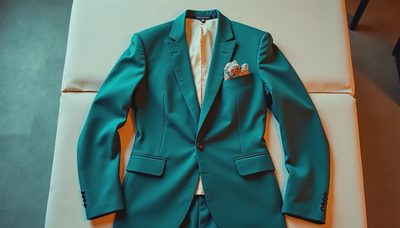
If you are wearing a suit, create enough contrast between the jacket and shirt that the layers remain visible. A charcoal jacket with a white shirt can look crisp, but under a bright light the shirt may dominate. A light blue shirt often gives the same clean effect with less glare. For a casual appearance, dark denim with an olive overshirt tends to stay readable across many indoor settings.
The fit still matters. A loose jacket creates extra folds that catch light unpredictably. Sleeves that are too long can make the whole outfit look heavy. A clean shoulder line and a shirt collar that sits correctly will make the colors appear more intentional because the clothing is not collapsing into shadows.
A practical shopping strategy
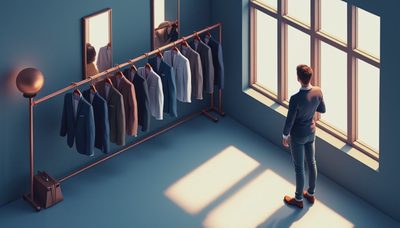
When buying something for a specific event, ask where it will be worn before deciding on the shade. A navy blazer for office meetings does not need to pass the same test as a costume jacket under colored theater lights. This is the practical lesson behind color in real life vs stage: context comes before the purchase.
Bring a photograph of the venue if you have one, or describe the lighting in plain terms. Is the event outdoors, in a hotel ballroom, in a small theater, or on camera? Those details are more useful than saying you want something versatile.
At a normal middle-class budget, you can find dependable options from brands such as J.Crew, Banana Republic Factory, Uniqlo, Spier & Mackay, and department-store house labels. You do not need a $900 jacket to get a stable color. Look for a matte finish, a solid weave, and a shade that is neither extremely bright nor extremely dark.
Before removing tags, wear the garment near a window, beneath your home's warm bulbs, and in a quick phone video. If the jacket passes all three checks and fits through the shoulders, it has earned a place in the closet.
The simple takeaway
Understanding color in real life vs stage saves you from blaming the wrong part of the outfit. The fabric may be fine. The lighting is changing what reaches your eyes and camera. Test strong colors in more than one environment, be careful with shine and extreme saturation, and choose mid-range shades when you cannot predict the lights.
I have seen hundreds of men solve this problem without replacing an entire wardrobe. A better-fitting jacket, a calmer shirt color, and one daylight check usually do more than another shopping trip. If an event matters, test the outfit a week ahead instead of discovering the issue while standing under a spotlight. Fit first. The rest is noise, but good lighting helps everyone.

No letters yet — pray write the first.