
The Moment I Realized I'd Been Doing It Wrong
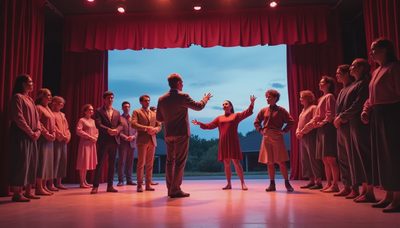
It was opening night of our second production at East Nashville Community Players. I was backstage, making sure the costume rail was organized for quick changes, when I watched our lead actor walk onto the stage.
He wasn't doing anything dramatic. He wasn't striking a pose or making a grand entrance. He just walked. But the way he walked — shoulders back, head level, pace unhurried — completely changed the energy of the room. The audience leaned in. The other actors on stage responded to him differently. Even the lighting seemed to shift.
I'd been watching actors do this for two seasons by that point, but something clicked that night. It wasn't about the costume. It wasn't about the character. It was about the walk.
And I realized: most men walk into rooms like they're apologizing for being there.
The Trick That Changes Everything
Here it is. It's simple. It's not complicated. And it works every single time.
Pause for one second before you enter.
That's it. That's the trick.
Before you walk through the door — whether it's a conference room, a party, a restaurant, or even your own living room — stop for one second. Just one. Take a breath. Let your shoulders settle. Then walk in.
Here's why it works: that one second gives you time to reset your posture. Most of us walk around with our shoulders slightly hunched, our head slightly down, our pace slightly rushed. We're carrying the tension of the last thing we did — the meeting, the commute, the argument, the stress. That tension shows up in how we walk.
The pause breaks that cycle. It lets you check in with your body. It reminds you to stand up straight. It gives you a moment to decide how you want to present yourself.

What the Actors Taught Me
Over five seasons of costuming, I've watched hundreds of actors walk onto a stage. The good ones — the ones who command attention — they all do something similar. They don't rush. They don't shuffle. They don't enter like they're hoping no one notices them.
They enter like they own the space.
That doesn't mean they're arrogant. It doesn't mean they're trying to intimidate anyone. It means they've decided that they belong in this room, and they're going to act like it.
Here's what the best actors do that you can borrow:
They Check Their Shoulders
Before they walk on stage, I can always see them do a tiny adjustment. A slight roll of the shoulders. A small lift of the chest. It's not a big gesture — just a micro-adjustment that changes their entire silhouette.
Try this: Stand up right now. Look at your feet. Now roll your shoulders back and down, and lift your chest slightly. Notice how your whole posture changes. That's what the actors are doing.
They Set Their Pace
The good actors never rush onto the stage. They walk at a deliberate pace — not slow, not fast, just intentional. It reads as confidence.
Most of us rush. We're late, we're stressed, we're trying to get to the next thing. But rushing into a room reads as anxiety. It says "I don't have time for this" or "I'm not sure I want to be here."
Try walking at a slightly slower pace than usual. See how it feels.
They Look Where They're Going
This sounds obvious, but watch people walk into a room sometime. Most of them are looking down or looking at their phone. The actors who command attention? They look at where they're going. They look at the room. They make eye contact.
It's not about staring anyone down. It's about being present in the space.
Why This Matters More Than What You're Wearing
Here's where I get on my soapbox for a minute.
I've spent a decade fitting men for clothes. I believe in the power of a well-fitting shirt and a good jacket. I believe that when your clothes fit, you feel better about yourself.
But I'll tell you something I've learned: you can wear the best suit in the world, and if you walk into a room like you're apologizing for existing, no one's going to notice the suit.
The actor's trick changes everything. It makes your clothes look better because you're wearing them, not the other way around. It makes people respond to you differently because you're projecting confidence. And it makes you feel better because you're not fighting against your own body.
The Costume Connection
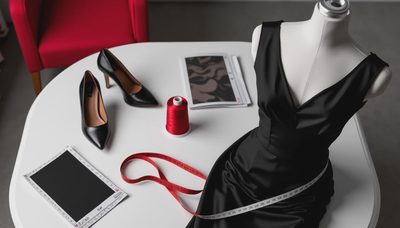
One of the things I love about community theater is how costuming affects an actor's performance. Put a guy in a well-fitted jacket, and he stands differently. Put him in a pair of boots that fit, and he walks differently. The costume doesn't just cover the body — it changes the body.
But here's the thing: the actor has to meet the costume halfway. A great costume can't do the work for you. You still have to walk onto that stage like you own it.
Same thing in real life. Your clothes can help you feel confident, but they can't do the work for you. That pause before you walk through the door? That's you meeting your clothes halfway.
How to Practice This
Step 1: The Home Test
Practice this at home first. Before you walk into any room in your house — the kitchen, the living room, the bedroom — pause for one second. Roll your shoulders back. Lift your chest. Then walk in.
It feels weird at first. That's okay. Keep doing it.
Step 2: The Office Test
Next time you're at work, try it before you walk into a meeting. Pause at the door. Take a breath. Then walk in with intention.
Notice how people respond to you. Notice how you feel. I've had guys tell me this one trick completely changed how they're perceived at work.
Step 3: The Social Test
Try it before you walk into a party, a dinner, or any social gathering. That pause gives you a moment to check in with yourself. To decide who you want to be in this room. Then walk in and be that person.
The Eric Story
I remember a guy named Eric who came into the Guideshop a few years ago. He was in his early 40s, an accountant, and he told me he hated walking into client meetings. "I always feel like I don't belong," he said.
We found him a suit that fit perfectly. Tailored the sleeves, took in the waist, cleaned up the pants. He looked great.
But he still felt nervous.
I told him about the actor's trick. I said, "When you're about to walk into that meeting, pause at the door. Just one second. Roll your shoulders back. Lift your chest. Then walk in like you own the room."
He called me a month later. He'd just had a big client meeting and he'd used the trick. "It was crazy," he said. "I felt different. They treated me differently. I don't know how it works, but it works."
I do know how it works. It's not magic. It's just your body telling your brain that you're confident, and your brain believing it.
Lila's Dad Take
Lila's a performer now — she does the kids' workshops at the community theater. Before she goes on stage, I always see her do the pause. She doesn't know I taught her. She probably picked it up from watching the actors.
But I notice it. Every time. She pauses at the edge of the stage, rolls her little shoulders back, lifts her little chest, and walks on like she belongs there.
She always does.
Your Assignment
This week, try the actor's trick. Every time you walk into a room — any room — pause for one second. Check your posture. Then walk in like you belong there.
You'll be surprised how it changes everything.



No letters yet — pray write the first.