A customer once came into my fitting room three days before a wedding wearing a suit jacket that pulled across his stomach and trousers that pooled over his shoes. He did not need a new personality. He needed better proportions. That is the whole game with semi formal wedding men's wear: look intentional without dressing like you are headed to a board meeting or a costume party. Fit first. The rest is noise.
For most weddings, the safest answer is a tailored suit, a clean dress shirt, leather shoes, and one detail that feels a little less corporate. That might be a knit tie, a patterned pocket square, a textured jacket, or a shirt in pale blue instead of white. You do not need six new outfits. You need one combination that fits your body and matches the invitation.
Start With the Invitation and the Time of Day
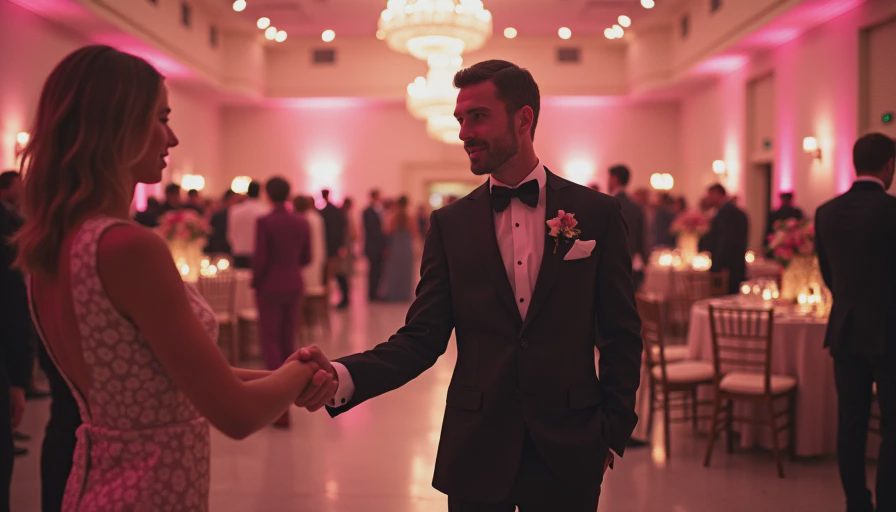
The words on the invitation matter more than whatever a social media post says is fashionable. “Semi formal” usually means a suit is appropriate, but a tuxedo is unnecessary. If the ceremony begins at 5 p.m. or later, darker colors such as navy, charcoal, and deep gray are reliable. For a daytime outdoor wedding, medium blue, gray, tan, or a subtle windowpane can work, especially in a breathable fabric.
Location changes the practical details. A hotel ballroom calls for a sharper suit, a leather belt, and polished derbies or loafers. A summer garden wedding gives you more room for an unlined jacket, cotton trousers, suede loafers, or a linen-blend shirt. The goal is to look like you understood the event, not like you copied the groom.
If the invitation says cocktail attire, stay closer to a dark suit and tie. If it says dressy casual, you can often separate the jacket and trousers. When the wording is vague, a navy suit is the useful middle ground. It can look formal with a white shirt and silk tie, or relaxed with an open collar and brown loafers.
The Suit Fit That Makes Everything Easier
A suit can cost $250 or $1,200 and still look wrong if the shoulders do not fit. The shoulder seam should end near the edge of your shoulder, not halfway down your upper arm. If the seam is too wide, a tailor usually cannot fix it cheaply. If the body is slightly loose, that is manageable.
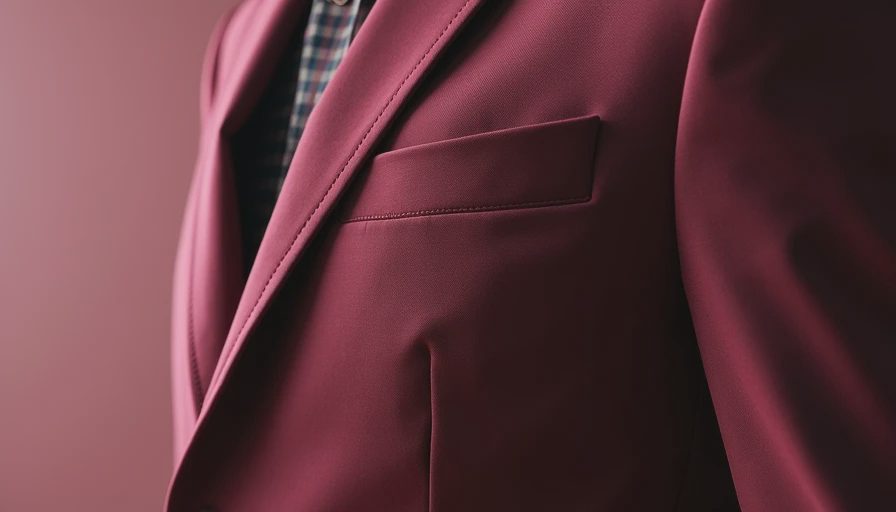
The jacket should close without an X-shaped burst of fabric around the button. You should be able to slide a flat hand between your chest and the inside of the jacket, but not make a fist. The sleeve should show roughly a quarter to half an inch of shirt cuff. That small line of contrast makes the jacket look fitted rather than borrowed.
Trousers should sit comfortably at your natural waist or just below it. They should skim your seat and thigh, then fall cleanly to the shoe. A slight break is forgiving and useful; a stack of fabric around the ankle looks accidental. If you have a shorter build, a shorter trouser break and a jacket that ends around the lower seat can make your proportions look cleaner without any uncomfortable tricks.
This is why semi formal wedding men's wear starts with fit rather than brand names. A $350 suit altered at the waist, sleeve, and trouser hem can easily outperform a $900 suit worn straight from the box. Set aside $50 to $120 for basic alterations, depending on the work and your location.
Shirts, Ties, and Shoes Without Overthinking Them
A white or pale blue dress shirt is the easiest foundation. Choose a collar that has enough height for your neck and enough spread to sit neatly under the jacket. If the collar collapses when you put on a tie, the shirt is not doing its job. A medium-spread collar works for most faces and tie knots.
For semi formal wedding men's wear, a tie is not always mandatory, but it is often the better choice when you do not know the crowd. Navy, burgundy, forest green, and muted patterns are dependable. Avoid a novelty print unless the couple clearly set a playful theme. A knit tie can relax a navy suit, while a plain silk tie makes charcoal look more polished.
Shoes should be clean and in good repair. Dark brown derbies, black cap-toe oxfords, and simple loafers cover most situations. Do not wear running shoes, square-toe dress shoes, or visibly cracked leather. Your belt should be close to the color of your shoes. This is not a place to spend an hour debating shades of brown; close is fine.
Affordable Pieces Worth Buying
You can assemble useful semi formal wedding men's wear without spending rent money. SuitSupply, J.Crew, Banana Republic Factory, Spier & Mackay, and department-store house brands often offer workable starting points during seasonal sales. Bonobos has traditionally been helpful for men who need different trouser fits, while brands such as Brooks Brothers and Charles Tyrwhitt can be useful for shirts when the collar and sleeve measurements match you.
A reasonable budget is $300 to $600 for a suit, $50 to $120 for a shirt, $30 to $90 for a tie, and $100 to $250 for shoes. Those numbers are enough to build a presentable outfit without chasing luxury labels. If you already own a navy suit, spend first on tailoring and shoes. A fresh shirt and properly hemmed trousers can make an old jacket look newly useful.
When shopping online, measure a jacket you already like across the chest, shoulder, and sleeve. Compare those numbers with the brand's size chart instead of trusting the letter on the tag. Two jackets labeled 42 Regular can fit very differently. This five-minute step prevents the familiar box of returns from sitting by your front door for three weeks.
Three Combinations That Rarely Miss
A navy suit, white shirt, burgundy tie, and dark brown derby is the most versatile option. It works at an evening reception, a hotel wedding, or a ceremony where the dress code turns out to be slightly more formal than expected.
A medium-gray suit, pale blue shirt, textured navy tie, and black shoes feels polished but not severe. This combination is especially useful for spring and fall events, and it photographs well without relying on a loud pattern.
For a warm-weather wedding, try a tan or light-gray jacket with navy trousers, a white Oxford-style shirt, and brown loafers. Keep the fabrics similar in weight and avoid pairing a shiny formal jacket with visibly casual pants. Semi formal wedding men's wear should look like one outfit, not four separate decisions.
The Final Fit Check Before You Leave
Try on the complete outfit a week before the wedding, including the undershirt, belt, socks, and shoes. Sit down, raise your arms, and walk across the room. The jacket should not choke your neck when seated, and the trousers should not slide down when you put your phone in a pocket. If the shirt pulls across the chest, size up and have the sides taken in rather than buying a smaller shirt with a tight collar.
Check the hem from the side and back. Trouser fabric should meet the shoe without swallowing it. Jacket sleeves should not cover your entire hand. Remove temporary stitching from jacket vents and pockets, and leave the pockets mostly empty. A wallet, keys, and phone can distort even good semi formal wedding men's wear.
Finally, bring a backup shirt if you will be outside in Nashville heat or traveling for several hours. Pack the suit on a proper hanger, use a garment bag, and hang it in the bathroom while a hot shower runs if it needs light de-wrinkling. Do not iron a jacket aggressively unless you know the fabric.
The best outfit is the one you stop thinking about once the ceremony begins. Choose a simple color combination, spend your effort on the shoulders and trouser length, and let the clothes support the day instead of becoming the event. Fit first. The rest is noise.



No letters yet — pray write the first.