A guy once came into the fitting room wearing jeans that were two sizes too large in the waist and still tight through the seat. He thought his body was the problem. It wasn't. The cut was wrong, the rise was too short, and the waistband was doing the work of a belt. That is the first thing to understand about mens pants: fit is a construction problem, not a character judgment.
After ten years fitting more than 5,000 men at Bonobos, I can usually spot the issue before the fitting-room door closes. The right pair should sit comfortably, follow your shape without outlining it, and let you sit down without negotiation. Fit first. The rest is noise.
Start with the rise, not the size tag
The rise is the distance from the middle of the crotch seam to the top of the waistband. It determines where the pants sit on your body and changes how your torso and legs look together. A low rise sits closer to the hips and can feel restrictive when you sit. A mid rise usually lands around the natural waist-to-hip area and works for most men. A higher rise gives more room through the seat and can be especially comfortable if you carry weight around your middle.
Here is what is actually happening when a waistband rolls or your pockets flare open: the rise is probably wrong, even if the waist number is technically correct. Try sitting in the pants before deciding. If you feel pressure across the stomach or see diagonal pulling from the fly, move up in rise before moving up in size. For most mens pants, a mid-rise cut is the safest starting point because it balances comfort, coverage, and a clean line under a tucked shirt.
Choose the leg shape that matches your wardrobe
Straight, slim, athletic, and relaxed are not universal measurements. They describe the relationship between the thigh, knee, and leg opening. A slim cut narrows gradually from the seat to the hem. A straight cut keeps a more consistent width. Athletic cuts usually add room in the seat and thigh while keeping the lower leg reasonably trim. Relaxed cuts give you more space throughout.
If your thighs are larger from lifting, cycling, yard work, or simply genetics, do not force yourself into slim mens pants and call the discomfort discipline. Try an athletic cut. Brands such as Levi's, Bonobos, J.Crew, and Banana Republic often offer different shapes, though each brand names them differently. The useful test is simple: pinch about one inch of fabric at the thigh when standing. No pinch means too tight. More than two inches can look unnecessarily loose unless that is the effect you want.
Get the waist right without trusting the number
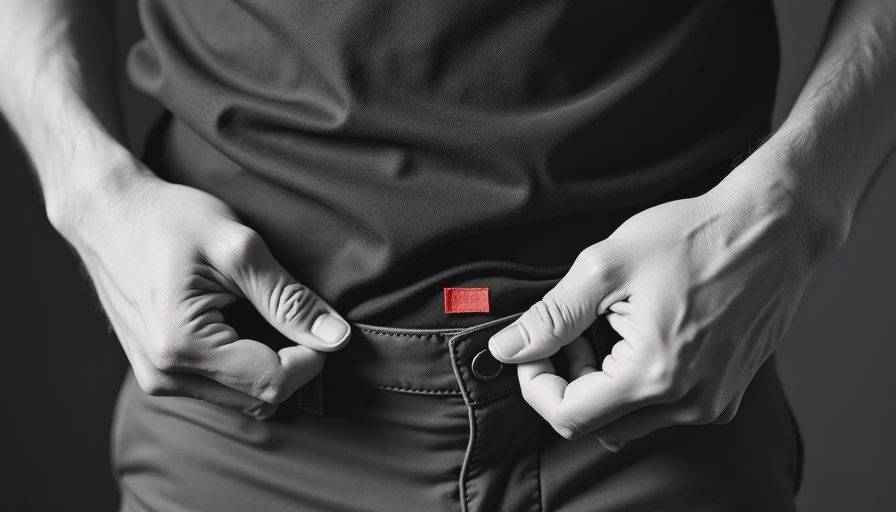
A labeled 34 is not the same measurement across brands. Vanity sizing, fabric stretch, and different pattern blocks make the tag a rough guide, not a measurement. Bring a pair that fits well when shopping, or measure its waistband flat and double that number. Then compare that measurement with the brand's size chart.
The waistband should rest securely without digging in. You should be able to slide two fingers inside it, but you should not need a belt to prevent the pants from dropping. A belt is a finishing detail, not structural equipment. If the waist fits but the seat sags, the issue is usually excess fabric or a rise that is too long. If the waist fits but the pockets pull apart, try a roomier seat or athletic cut instead.
Pay attention to fabric and stretch
Cotton twill, wool blends, performance synthetics, and denim each behave differently. For office mens pants, a wool blend or cotton stretch trouser usually gives you a polished appearance without feeling like formalwear. For travel, a fabric with two or three percent elastane can make long drives and airport waits much easier. For jeans, look for enough structure that the fabric does not collapse after two hours, but enough stretch for stairs and a car seat.
More stretch is not automatically better. Very soft fabric can bag at the knees and seat, especially if you wear the same pair several days in a row. A pair in the $50 to $120 range can be a smart buy when the fabric has substance and the construction is sound. Wash in cold water, avoid high dryer heat, and give the pants a day off when possible. Your clothes will hold their shape longer, and you will not need to replace them every season.
Hem length changes the whole outfit
Most mens pants look better when the hem ends cleanly at the shoe instead of collapsing into a pile of fabric. A slight break means the front of the hem makes one small fold on the shoe. A no-break hem stops just above the shoe and looks sharper, especially with loafers or low-profile sneakers. A fuller break can work with work boots, but it should be intentional rather than the result of buying an unfinished pair and forgetting about it.
When trying pants, wear the shoes you expect to use. A hem that works with dress shoes can look short with boots, while a boot-friendly length may bunch around sneakers. Alterations usually cost about $15 to $30 for a basic hem, which is one of the best clothing expenses available. Buy for the waist, seat, and rise, then let a tailor handle the last inch or two.
Build a useful rotation instead of a crowded closet
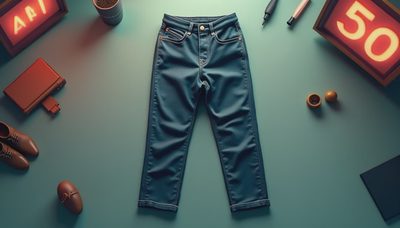
You do not need twelve versions of the same black pant. Start with a practical rotation: dark indigo jeans, medium-blue jeans, navy chinos, and a gray or charcoal trouser. Add olive or khaki when you have a real use for them. That group can cover a casual office, dinner, travel, school pickup, and a Saturday spent cleaning the pizza oven without making you change three times.
For work, pair navy or charcoal mens pants with an Oxford shirt, knit polo, or simple sweater. For weekends, wear dark denim with a T-shirt, overshirt, or casual button-down. The point is not to create a costume. The point is to make combinations obvious when you are tired and already late getting out the door.
A five-minute fitting-room checklist
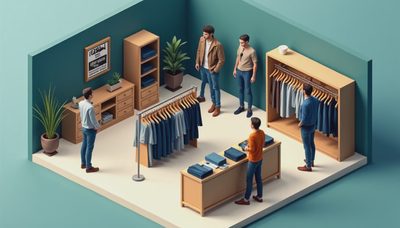
Before buying, check the waistband while standing and sitting. Look for pulling at the fly, diagonal wrinkles at the hips, and pockets that gape. Walk, climb a step, and sit for a full minute. Check that the back rise stays covered when you bend over. Look at the hem with your actual shoes. Finally, take a quick photo from the side; mirrors can hide a low seat or excessive break.
If two sizes both seem close, choose based on the seat and thighs first. A tailor can remove a little from the waist, but changing the rise or adding room where there is none is difficult and often expensive. Spending $80 on mens pants that need a $20 hem is sensible. Spending $90 on a pair that cannot accommodate your body is just an expensive lesson.
The best pair is the one you reach for without thinking because it sits correctly, works with your shoes, and survives a normal day. Ignore the pressure to chase every new cut. Find the rise, leg shape, fabric, and hem that suit your actual life, then buy that formula again. Fit first. The rest is noise.
No letters yet — pray write the first.