A guy once came into the Bonobos Guideshop wearing a blazer that fit well through the shoulders, then ruined the whole thing with a shirt collar collapsing underneath it. He assumed the jacket was the problem. It was not. He needed a better combination. Learning how to style a blazer is mostly about getting a few simple relationships right: fit, formality, color, and proportion. You do not need a closet full of jackets or a degree in menswear. Fit first. The rest is noise.
Start with the fit, not the outfit
Before choosing pants or shoes, inspect the blazer itself. The shoulder seam should end where your shoulder ends, not halfway down your upper arm. When the jacket is buttoned, the fabric should close without a dramatic X-shaped strain across your stomach. A little room is comfortable; pulling is a warning sign.
The sleeve should finish around the wrist bone, leaving roughly a quarter to a half inch of shirt cuff visible. The jacket hem generally looks balanced when it covers your seat and ends around the middle of your hand with your arms relaxed. These are useful starting points, not laws carved into a tailor's table.
A $250 J.Crew, Spier & Mackay, or SuitSupply blazer that fits in the shoulders will usually look better than a $900 jacket that is too wide everywhere. A tailor can shorten sleeves for $25 to $45 and clean up the waist for $50 to $100. Shoulder alterations are expensive and rarely worth attempting. Buy the shoulders first.
When men ask how to style a blazer, they often want a color answer. Color matters, but fit is what makes the answer work on your actual body.
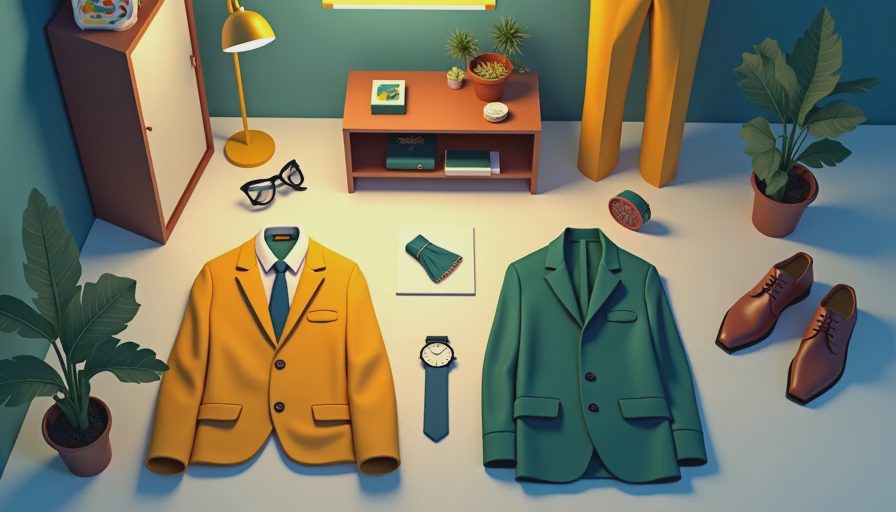
The easiest blazer outfit: shirt, jeans, and loafers
For a first combination, wear a navy blazer with a light blue Oxford shirt, medium-dark jeans, and brown loafers or clean leather sneakers. This works because each item has a clear job. The jacket provides structure, the shirt keeps the outfit relaxed, and the jeans prevent you from looking like you are headed to a board meeting.
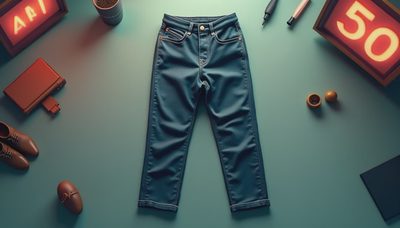
Choose jeans with a straight or gently tapered leg. Very skinny denim makes the jacket look oversized, while extremely wide jeans can make a traditional blazer feel top-heavy. A dark rinse looks sharper for dinner; a medium wash feels right for a casual office or Saturday event.
Leave the tie at home. Unbutton the top shirt button, but keep the collar neat. If the collar spreads outward or disappears under the lapels, try a button-down collar or add a lightweight collar stay. This is one of those tiny adjustments that makes how to style a blazer much easier.
For shoes, leather penny loafers, chukkas, or simple white sneakers are reliable choices. Avoid running shoes with visible mesh, thick foam, or bright athletic branding. They create a different visual language from the jacket.
Match the blazer to the occasion
A navy hopsack blazer is one of the most useful options because the weave has texture and does not look like a suit jacket missing its matching pants. A cotton blazer feels casual and works well with chinos. Linen or linen-blend jackets are comfortable in Nashville heat, although wrinkles are part of the bargain. A charcoal or gray blazer is more formal and pairs especially well with black, navy, or olive trousers.
For a work presentation, wear the blazer with gray wool trousers, an Oxford shirt, and dark brown derbies. For a business-casual office, swap in chinos and loafers. For a wedding that does not require a full suit, use a textured navy jacket, gray trousers, a white shirt, and a muted tie. For a dinner date, dark jeans and a fine-gauge merino polo can look considered without looking rehearsed.
The most useful rule is to create contrast between jacket and trousers. Similar but not identical shades can look like a failed suit. Navy and gray are easy because the difference is obvious. Brown jacket with cream trousers, olive jacket with denim, and gray jacket with navy chinos also give the eye enough separation.
How to style a blazer with casual layers
A blazer does not require a dress shirt. In cooler weather, wear one over a merino crewneck, a long-sleeve polo, or a clean henley with a structured collar. The layer underneath should be thin enough that the jacket still closes comfortably. If the chest and sleeves feel crowded, the problem is not your body; the middle layer is simply too bulky.
A dark green, rust, or burgundy sweater can add color without turning the outfit into a costume. Keep the pants simple: dark denim, gray flannel trousers, or tan chinos. One noticeable color is usually enough. If the sweater is bright, keep the shoes and jacket quiet.
A T-shirt can work, but it needs to look intentional. Choose a heavyweight cotton shirt with a firm neckline, no visible graphic, and a hem that does not hang several inches below the jacket. White, navy, gray, and black are the safest colors. This is how to style a blazer casually without making it look as though you forgot to change after work.

Build outfits around three dependable blazer colors
Navy is the first purchase for most men because it handles the widest range of situations. Wear it with gray trousers, khakis, jeans, olive chinos, or white denim in warm weather. A textured navy fabric is especially forgiving because it hides minor wrinkles and separates clearly from most pants.
Gray is useful when you already own navy pants or want a lighter, more relaxed appearance. Medium gray works with dark denim, navy chinos, black jeans, and tan trousers. Light gray is better for spring and summer, but it can feel too informal for a conservative workplace.
Brown or tan adds warmth and works well with blue jeans, cream pants, and olive chinos. It is a good choice for fall dinners and casual events. Avoid matching brown jacket, brown pants, brown shirt, and brown shoes all at once. The outfit needs contrast, not a commitment to one color family.
If you own only one blazer, pick navy. If you own two, add medium gray or brown based on the pants already in your closet. Shopping from your existing wardrobe prevents the classic mistake of buying a jacket that has nowhere to go.
Common mistakes and quick fixes
The first mistake is wearing a blazer that is too long and too loose because it feels comfortable on the hanger. Comfort matters, but excess fabric can make you look smaller inside your clothes. Try one size down if the shoulders still sit correctly, or ask a tailor to reduce the waist.
The second mistake is pairing a formal blazer with very casual clothing. A shiny worsted-wool jacket, graphic T-shirt, and distressed sneakers are difficult to balance. Choose a jacket with texture when the rest of the outfit is relaxed.
The third mistake is ignoring the back vent and pockets. Remove temporary stitching from vents and pockets, but do not fill the outside pockets with a phone, wallet, and keys. Use inside pockets or your pants pockets. A bulging jacket loses its clean shape quickly.
Finally, do not over-accessorize. A watch, simple belt, and pocket square are enough. The pocket square should not be an exact copy of your tie. A plain white linen square folded neatly is harder to get wrong than a complicated puff of bright silk.
A five-minute checklist before leaving
Stand in front of a mirror and button the jacket once. Check that the lapels lie flat, the collar touches your shirt, and the sleeves do not swallow your hands. Look at the outfit from the side. If the jacket pushes backward, your shirt or sweater may be too bulky. If the front pulls, size up or remove a layer.
Then check the contrast. Can you clearly see where the jacket ends and the pants begin? Are your shoes at least as polished as the occasion requires? Does one item look noticeably more formal than everything else? Fix the odd item before adding another accessory.
The best way to style a blazer is not to chase a perfect formula. Start with a jacket that fits your shoulders, pair it with pants you already wear, and make the shoes match the setting. Once those pieces work, adding a shirt, sweater, or tie becomes straightforward. You will spend less time shopping and more time getting out the door, which is the point.
No letters yet — pray write the first.