The Suit Jacket Fit Guide Men Wish They Had Earlier
I spent ten years in a Bonobos fitting room, measuring guys who walked in saying "I hate shopping." Nine times out of ten, they didn't hate shopping. They hated jackets that pulled across the back, sleeves that swallowed their wrists, and that vague feeling that a $500 suit made them look like they were wearing a costume. This suit jacket fit guide men can actually use cuts through the noise. Fit first. The rest is noise.
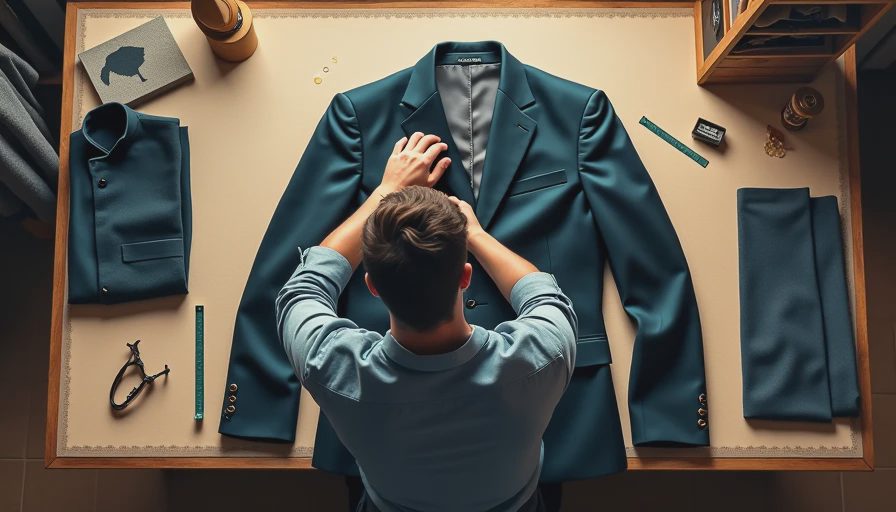
Start with the part most guys get wrong: the shoulder seam. The seam where the sleeve meets the body should land exactly at the end of your shoulder bone. Not past it. Not half an inch short. If the seam hangs over your deltoid, the jacket is too big. If it digs in before the bone ends, it's too small. I've helped hundreds of men realize they've been wearing jackets one size too large for years. The fix is not a tailor — it's a different size.
Part of the problem is that most men don't know their actual jacket size. A 42 regular and a 42 long put the shoulder seam in different places. I can't tell you how many guys have been buying the same size since college, even though their shoulders have changed. Don't fixate on the number on the tag. Focus on the points where the jacket touches your body. The label is the last thing that matters.
Shoulders Are Non-Negotiable
When you try on a suit jacket, stand sideways in the mirror. The shoulder seam should create a clean line from your neck to your arm. You should not see a ripple or a divot. If you do, the jacket doesn't fit. No amount of tailoring can fix a bad shoulder. A tailor can take in the waist, shorten sleeves, and taper the body, but moving a shoulder seam means rebuilding the jacket. That's why I tell every guy to get the shoulders right first. Everything else follows.
Lapels and How They Frame Your Chest
Once the shoulders work, look at the lapels. The lapel is the V-shaped panel that crosses your chest. Its width should match your body size. A slender guy in skinny lapels still needs proportion. A bigger guy needs a wider lapel to balance his chest. The rule of thumb: the widest part of the lapel should be about half the width of your chest panel. If the lapel curls away from your chest or gapes, the jacket is strained. That happens when the chest is too tight. You want the lapel to lie flat from the collar to the button.
Button the middle button on a two-button jacket. The lapel should roll naturally toward it. If it pulls or forms an X shape, the jacket is too tight. If it folds or sags, the jacket is too loose. This is the first thing I look for when a client walks into my Nashville studio. Most men can fix their own fit with this one check.
Sleeve Length and the Shirt Cuff Rule
Sleeve length is the easiest thing to get right and the most commonly ignored. Stand with your arms relaxed at your sides. The jacket sleeve should stop right at your wrist bone. You should show about a quarter to half an inch of shirt cuff below it. If you're showing no cuff, the sleeves are too long. If you're showing two inches, they're too short. A tailor can shorten sleeves for around $25 to $45, but if you're buying new, get the right length from the start. Always try the jacket on with the shirt you plan to wear underneath.

The Tailor Gap: What to Fix and What to Skip
Most off-the-rack jackets need some tailoring. Budget for it. A good tailor can take in the waist for $30 to $60, shorten sleeves for $25 to $45, and adjust the seat for another $40. That's $100 or so that transforms a $400 jacket into something that looks custom. Skip the tailor if the shoulders are wrong. No seamstress can ethically fix that. Also skip it if the jacket is too long or too short in the body. The jacket should cover your rear end and end around your thumb knuckle when your arms are down. That's a hard proportion to alter.
Brand differences matter too. Bonobos cuts their weekday jackets relatively trim, so if you're between sizes, size up. SuitSupply runs a bit more European, which means shorter sleeves and a slimmer chest. J.Crew's Ludlow line sits somewhere in the middle. Never assume your usual size works across brands. Try each one on and look at the same five points. A 40 in one brand might fit like a 42 in another.
A Quick Suit Jacket Fit Guide Men Can Use on Any Rack
Here's a straightforward suit jacket fit guide men can trust. When you're standing in a store, run through this in under two minutes. Shoulder seams align with your shoulder bone. The jacket button closes without pulling. You can slip a flat hand under the lapel at the chest. Sleeves show a sliver of cuff. The back of the jacket lies smooth with no bunching at the collar. If you check those five things, you'll be light years ahead of most guys. I've seen this on about a thousand men, and the fix is always the same: get the basics right, then let a tailor refine the rest.
Remember, the goal is not to look like a fashion model. The goal is to look like you're comfortable in your own skin. A suit jacket that fits does that. A suit jacket that doesn't is the loudest thing you'll wear all day. So next time you're in the fitting room, skip the self-criticism. Run the checklist. If the shoulders work, buy it and take it to a tailor. If they don't, put it back. Fit first. The rest is noise.

No letters yet — pray write the first.