I spent ten years as a Bonobos Guideshop manager, and I've measured more men than I can count. Most guys walk in with the same complaint: they hate shopping because nothing fits. The truth is, a men's dress shirt fit is a skill, not a mystery. Once you know what to look for, you can find a shirt that looks like it was made for you.
I get it. You'd rather be doing almost anything else. But this is the one piece of clothing menswear gets wrong more than anything else. In this guide, I'm going to show you the five checkpoints, the most common mistakes, and the exact measurements that will stop you from buying another dress shirt you'll hang in the back of the closet.
What a Great Dress Shirt Fit Looks Like
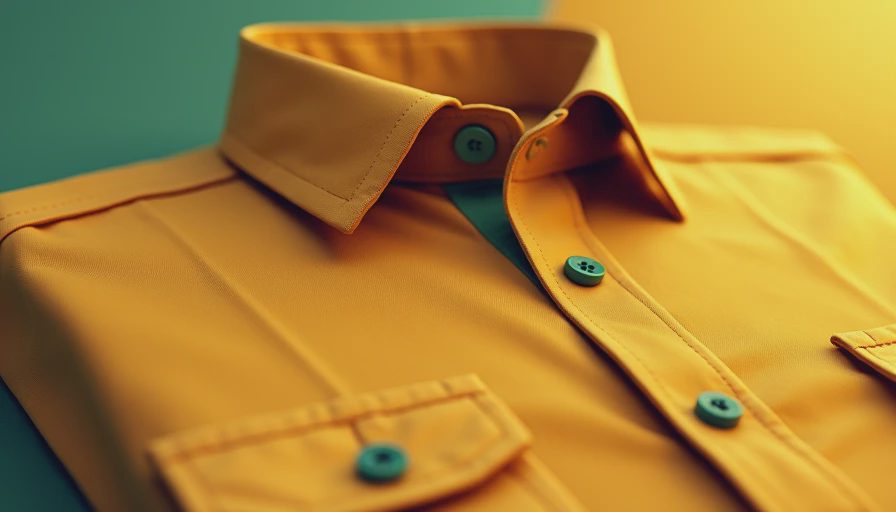
A dress shirt should follow the shape of your torso without hugging it. The shoulder seam is the most important part: it should sit exactly at the edge of your shoulder bone, not an inch down your arm. If you can pinch more than half an inch of fabric along the back seam, the shirt is too big.
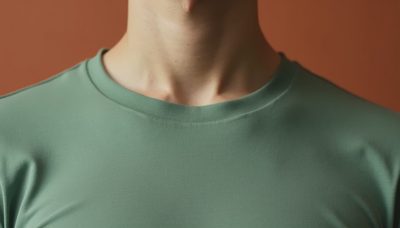
The collar should feel snug when buttoned, but you should be able to slide two fingers between the collar and your neck. The chest should allow you to cross your arms without pulling open the button gaps. And the waist should have enough room to tuck in without a balloon of fabric around your belt.
A simple test I do with every client: raise both arms overhead. If the hem comes up past your belt line, the shirt is too short. If you feel pulling across the shoulder blades, it's too tight.
The reason most guys give up on dress shirts is that they've never actually worn one that fits in the right places. They've either been swimming in a size bigger or suffocating in a size smaller. The fix isn't a different brand. It's knowing what to measure.
The Three Body Types That Change Everything
I've seen every build in that fitting room: marathon runners, guys built like refrigerators, and everyone in between. The problem is that most brands cut for a single "regular" body type, and that body type doesn't exist.
Lean guys usually do best with a slim or tailored cut, but skip the spray-on style that looks like you're wearing someone else's skin. Athletic guys with a wide chest and narrow waist have the hardest time, since a "large" fits the chest but tents at the waist. Big-and-tall guys often order a "tall" to fix sleeve length and end up with a boxy shirt that adds twenty pounds.
This is where your men's dress shirt fit starts to make sense. For a bigger chest, buy the shirt that fits your shoulders and chest, then take it to a tailor to cinch the waist. For a longer torso, look for "tall" sizes in sleeve and body length separately. One size never works for all.
The Four Most Common Fit Mistakes
After ten years of measuring men, I can spot these four mistakes from across the room.
First, the collar gap. If you can fit a fist inside your buttoned collar, you're going to spend the day feeling collar bones rub against your neck. A proper collar should close without choking you, and the points should lie flat against your chest.
Second, the pulled button. Those little X-shaped stress marks around the chest buttons mean the shirt is too tight. It will pop the moment you reach for something on a high shelf. If you hear a button hit the floor, that's your men's dress shirt fit telling you to go up a size or use a different cut.
Third, the sleeve blouse. When your sleeve bunches up like a curtain around your elbow, the sleeves are too long or the shoulders are misaligned. The correct sleeve length ends at the center of your wrist bone, even when you bend your arm.
Fourth, the tuck blouse. If you tuck your shirt in and it poofs out around your hips, the shirt is too wide in the waist. You need a slimmer cut or a tailor to take in a few inches.
How to Measure Yourself at Home
The only way to stop guessing at sizes is to know your numbers. Take a standard tape measure and do this with a friend or a mirror.
Neck: wrap the tape around your neck at the height where the collar sits. Leave a half-inch of breathing room. Chest: measure around the fullest part of your chest, under your armpits. Waist: measure at the natural waistline, which is just above your belly button. Sleeve: measure from the center of your back neck, over your shoulder, and down to your wrist bone.
That's four numbers. Keep them in your phone. When you check a size chart, use these instead of your shirt label. The label can say "large," but your actual chest might be a 42, which changes everything.
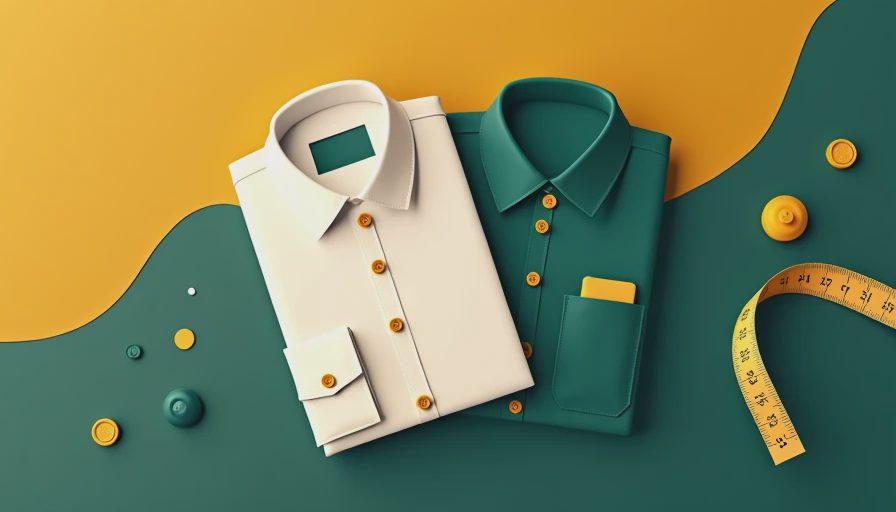
Most decent dress shirts cost between $60 and $120, but a $70 shirt with an accurate size chart and a good cut will beat a $150 shirt that's two inches too wide in the waist. You do not need custom tailoring for every shirt you own, but you do need to buy for the right number.
What to Spend and Where
You don't have to spend big for a good fit. Charles Tyrwhitt regularly runs 3-for-$99 specials, and their slim fit is a solid starting place for most body types. J.Crew shirts end up on sale for fifty to seventy dollars, and they're consistent across the same exact shirt in multiple colors. Bonobos, where I worked for a decade, has a great "make it work" guarantee and fit filters that are helpful, but you'll pay more, around $88 to $128.
If you're on a tighter budget, stores like Jos. A. Bank and Nordstrom Rack often have shirts for $40 or less. The key is to buy for your measurements, not for the brand name. And if you find a brand that fits great, buy the same exact cut in every color. That's the smart move.
Tailoring: The Best Money You'll Spend on Fit
Here's the unfair advantage most guys don't use: a $20 tailor. A basic alteration to take in the waist by an inch or two turns a sloppy off-the-rack shirt into a custom-fit piece. At my shop in Nashville, I can't tell you how many times I've seen a guy spend $60 on a shirt and another $20 on tailoring, and it looks better than a $200 shirt straight out of the box.
Find a local tailor or alteration shop, bring a shirt that fits you perfectly elsewhere, and ask them to match those measurements. If your current shirt has a good chest but a baggy waist, that's a ten-minute job. Sleeve shortening is also cheap, usually around $10 to $15.
The Five-Minute In-Store Test
When you're trying on a shirt, don't just stand in front of the mirror. Button the collar, raise both arms, then sit down and lean forward. If the buttons don't strain and the hem stays tucked, you're in good shape.
Check the back: run your hand down the seam between your shoulder blades. If it curves to one side, the shirt is twisted. Check the cuff: it should close around your wrist without needing to be loosened much. And always do the "Nashville test" — shrug your shoulders like you're double-guessing a BBQ order. If the shirt rides up and bunches at your neck, it's not cut for you.
Stop Overthinking It
The bottom line: a men's dress shirt fit is not a luxury for fashion people. It's the difference between looking like you borrowed a shirt and looking like you know what you're doing. Measure yourself once, use the five-minute test, and budget for a tailor visit on the two or three shirts you wear most. Fit first. The rest is noise.

No letters yet — pray write the first.