I spent ten years in a Bonobos Guideshop measuring guys who walked in with the same question: how should pants fit men? They'd tug at the waistband and wait for a verdict. The real answer is calmer than most style advice suggests. Pants should fit like they already feel like yours: no tugging, no bunching, no belt doing the actual job. Fit first. The rest is noise.
Start With the Waist, Not the Size on the Tag
The number on the tag is a starting point, not a promise. I've seen a 34-inch waist fit perfectly on a guy who normally wears 32, and vice versa. The test is simple: slide two fingers between the waistband and your lower back. If you have to hold your gut in, they're too small. If they hang off your hips without a belt, they're too big. When guys ask me how should pants fit men, I tell them the waist is the first thing I check, because everything else hangs from there. A proper waist sits at your natural waistline, not below your belly.
The Seat and Thigh: Move First, Look Second
The seat of most ill-fitting pants is either sagging like a diaper or pulling tight across the rear. To test it, do a deep squat in the dressing room. If the fabric strains across the thigh or digs into your hip, size up. If you have a gap at the back of the waist when you sit, the cut is wrong for your shape. I've seen this on about five hundred guys, and the fix is always the same: focus on the thigh measurement, not the waist. A jean or chino should hug the thigh without compression. You should be able to pinch about an inch of fabric at the top of the thigh. The seat should follow your body with no excess pooling and no strain.
The Break: Where Pants Meet Shoes
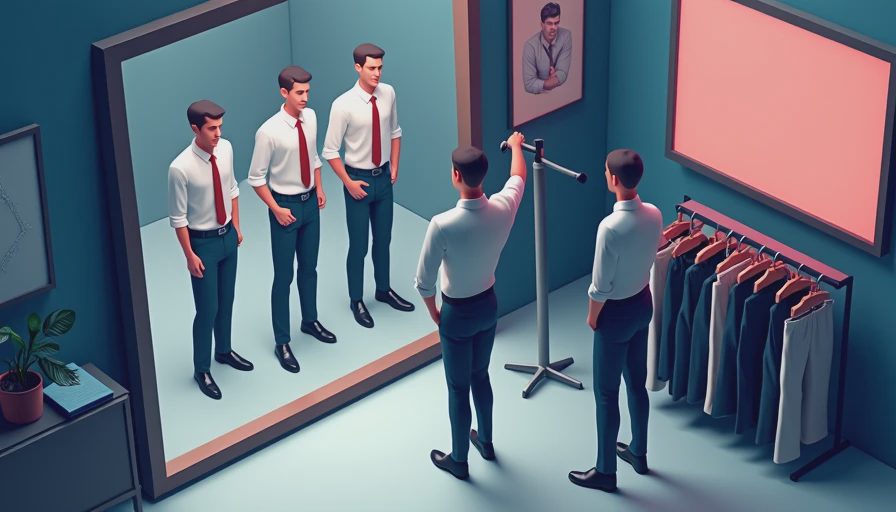
The break is the fold where pants hit your shoes. For most guys, a medium break is safest: the hem rests on the top of your shoe with a slight fold, and it doesn't drag in back. No break makes pants hover above the ankle, which looks sharp with a tailored wardrobe but reads as a choice. A full break stacks fabric around your shoes and shortens the leg. The practical answer to how should pants fit men at the hem: you want just enough fabric to create a subtle fold. Try the stairs: if you step on your hem, it's too long.
The Rise: Low, Mid, or High
The rise is the distance from the crotch seam to the waistband, and it controls where the waist sits. Low-rise pants sit below the hips and cause the dreaded plumber effect when you sit. High-rise pants sit at or above the belly button, which lengthens the leg. For most men, mid-rise is the answer. It sits just below the natural waist and above the hips, giving you room to sit and bend without showing skin. When you buy pants, pay attention to the rise measurement, not just the waist and inseam. A common mistake is buying a pair that fits in the thigh but has a rise too short, pulling everything down. If you're wondering about the complete picture of how should pants fit men, the rise is the piece that ties the waist to the thigh.
A Five-Point Fit Check You Can Do in Two Minutes
If you want a quick and reliable answer to how should pants fit men, run through this list every time you try on a pair. First, the waist: two fingers should slide in, but no more. Second, the seat: no sagging and no pulling. Third, the thigh: pinch an inch of fabric, not a fistful. Fourth, the rise: sit down without the waist dipping below your hips. Fifth, the break: the hem should brush the top of your shoes, with a slight fold, not drag the ground. If you pass all five, those pants fit. If you fail one or two, don't buy them. If you fail all five, you're grabbing the wrong cut entirely. Run this checklist and you'll finally see why your old pants never felt right.
When Tailoring Beats a New Purchase
Often the pants you already own are closer to a good fit than you think. A tailor can fix a waist that's a size too big, take in the seat, and hem the break for under twenty dollars at most dry cleaners. That's cheaper than buying a new pair, and it keeps a pair that's already broken in. In Nashville, I send clients to a shop near Five Points that charges fifteen dollars for a hem and handles most adjustments in two days. If the thigh is too tight, though, a tailor can't add fabric, so skip the purchase. The rule I repeat is fit first, then figure out if you're keeping or returning. A well-fitted pair of mid-priced chinos will always beat an expensive pair that's off in the waist and bunched at the ankle. And that, in a nutshell, is how should pants fit men: they should stay out of the way and let you move through your day.
No letters yet — pray write the first.