Guys, let me tell you about the man who changed how I think about men's shirt collar fit. He walked into the Guideshop with an oxford that was pulling so hard at the neck that the placket was buckled. He'd had it for three years. He just thought he'd gained weight. When I handed him a sizing chart and showed him his collar was actually two sizes too small, he said the shirt never felt right, but he figured that was normal.
Men's shirt collar fit is the most ignored measurement in menswear, and it's the one that ages you faster than any other. A collar that's too tight makes you look like you're escaping a chokehold. A collar that's too loose makes you look like you grabbed the first thing on the clearance rack. Get it right, and suddenly the rest of the shirt works too.
Why Collar Fit Matters More Than Sleeve Length
Most guys check shoulder seams and sleeve length. They'll spend twenty minutes in a fitting room agonizing over a half-inch difference in the sleeves, then walk out with a collar that's either strangling them or flapping open. Here's what's actually happening: the collar is the one part of the shirt that frames your face. When it sits properly, it makes your neck look right and your shoulders look proportionate. When it doesn't, it pulls the eye straight to the discomfort. I've seen about a thousand guys who thought they needed a wider tie, when the real problem was a shirt collar that was too small for their neck.
How to Measure Your Neck for a Dress Shirt
Before you worry about collar styles, you need your actual number. Take a soft measuring tape and wrap it around your neck, right where a collar button would sit. Don't pull it tight. Slip one finger between the tape and your skin. That number is your dress shirt size in inches. If you're on a half size, round up. Most men fall between 15.5 and 17. In casual brands that sell S/M/L instead of neck sizes, the fit is a lot less precise, so buy based on the garment measurements and be ready to exchange.
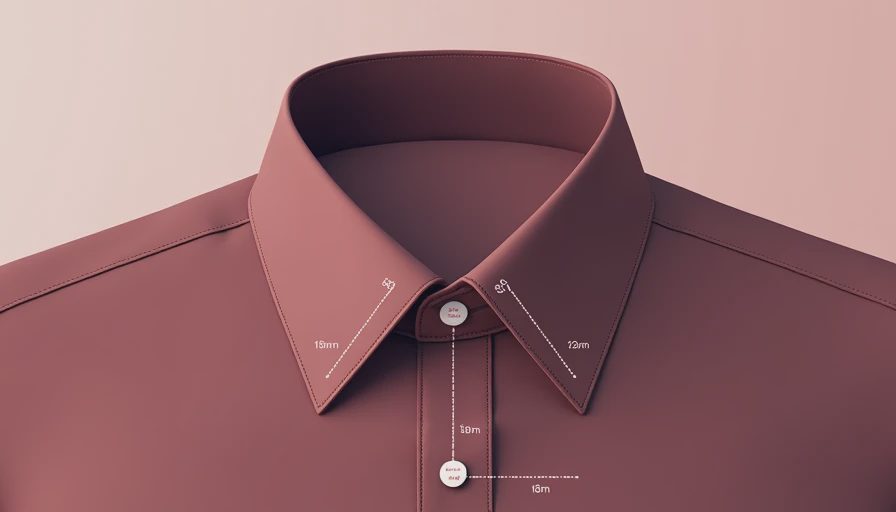
To measure an existing shirt, do this: lay it flat, unbutton the collar, and measure from the center of the button to the center of the buttonhole. That gives you the dry measurement. But shirts shrink, especially cotton ones, so measure after washing. This method saves you from buying shirts that fit in the shoulders but are a half-size too tight at the neck.
The One-Finger Rule (and the Two-Finger Rule)
Here's the rule every fit specialist uses, and it's simpler than you think. On a dress shirt, button the top button, slip one finger between the collar and your neck. You shouldn't have to force it. That's a proper men's shirt collar fit. If the finger slides in with no resistance at all, the collar is too loose. If you can't fit the finger, it's too tight. For an open-collar weekend shirt, go with two fingers, because you'll want a little more room when you're not wearing a tie. But on a dress shirt, one finger is the sweet spot.
Collar Styles That Work With Your Face
Once the size is right, you get to choose the collar shape. This is where men overthink it. Point collars are the default. They sit close to the neck and work with or without a tie. Button-down collars have a casual, preppy feel, and they do a great job of covering a gap if you're between sizes. Spread collars are wider at the neckline and make a narrower face look broader. If you have a longer neck, a spread or cutaway collar visually balances it. If you have a short neck, stick with a regular point collar that doesn't have a huge spread. Try a few styles at a store that has a returns policy, not just a mannequin catwalk.
Common Collar Fit Mistakes
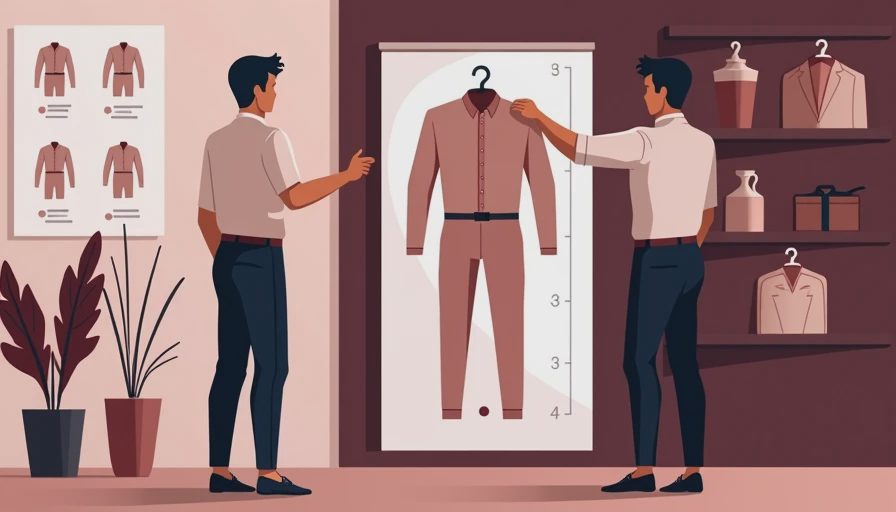
Even with the right measurement, guys mess up the details. The collar gap is the most common one. You button the top button and the sides of the collar pull apart, creating a triangle between the collar points. That happens when the neck size is too small or the collar has a wider spread than your neck can support. Another is the collar wrap: a collar that rolls or curls at the tips, usually from washing it too hot or leaving it buttoned when it dries. And the air tie look: wearing a tie with a collar that's not buttoned down, which makes the knot sit outside the collar band. You can see this from across the room.
When to Take It to a Tailor and When to Cut Your Losses
The good news is that a collar that's slightly too big can be fixed. A tailor can move the button over or in, and often even the buttonhole, for around $10 to $15. That's a smart fix if the shirt otherwise fits great across the shoulders and chest. The bad news is that a collar that's too small can't be effectively let out. There's almost always not enough fabric in the seam to make it bigger without ruining the collar's shape. So don't buy a shirt hoping you'll lose weight to fit the neck. Buy the size that fits you now. I've watched too many guys do the opposite, and it never ends well.
The Bottom Line
Men's shirt collar fit doesn't need to be a mystery. Take one measurement, learn the one-finger rule, and choose a collar shape that flatters your face. Spend an hour in a store that lets you try on multiple sizes. You'll walk out with a shirt that feels like it was made for you. And that feeling changes the way you stand, the way you sit, and the way you walk. Fit first. The rest is noise.




No letters yet — pray write the first.