A guy walked into my Nashville shop once with a closet full of clothes and nothing to wear. That is usually the first clue that a basic men's wardrobe is missing the point. He had seven T-shirts, four pairs of jeans, and two blazers, but almost everything fought his body or only worked in one narrow situation. After ten years fitting men at Bonobos and a lot of side-eye from overhead lights, I can tell you the fix is rarely more shopping. It is better shopping, better fit, and fewer pieces that actually pull their weight. Fit first. The rest is noise.
What belongs in a basic men's wardrobe
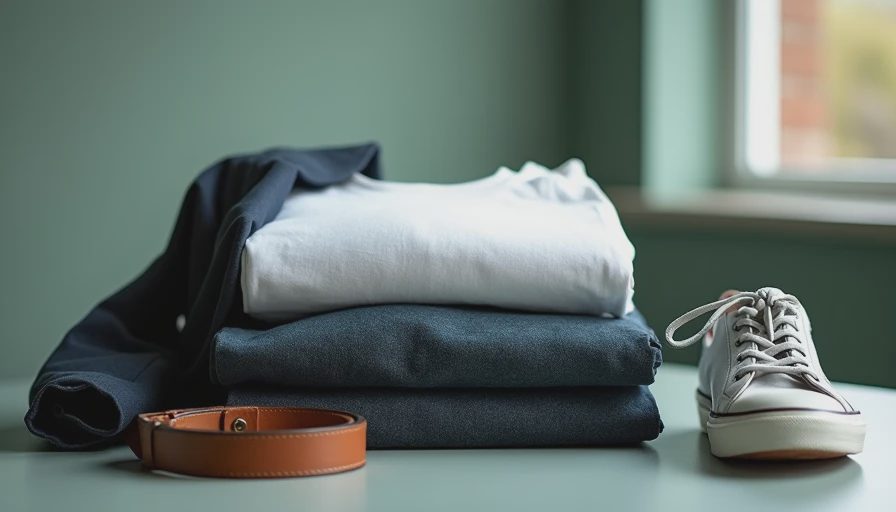
For most guys, a basic men's wardrobe means a small set of clothes that can cover work, weekend errands, dinner out, and the random school event where someone takes pictures. Start with a solid white tee, a gray tee, a few Oxford shirts, dark jeans, khaki or olive chinos, and one navy blazer that is unstructured enough to wear like a jacket instead of a costume. Add clean leather sneakers, brown boots, and one pair of loafers if your life calls for them. Brands like Levi's, J.Crew, Bonobos, Uniqlo, and Banana Republic all make versions that are easy to find without paying custom-clothing money.
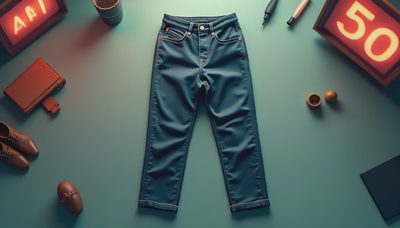
The reason this mix works is simple. Dark denim hides more and dresses up easier than faded jeans. Chinos give you a step up when sweatpants would be a hard no. A button-down shirt with a decent collar makes a man look like he has his day under control, even if he is running on coffee and calendar alerts. A basic men's wardrobe does not need variety for variety's sake. It needs pieces that can be combined fast without making you think too hard before 8 a.m.
Why fit beats quantity every time
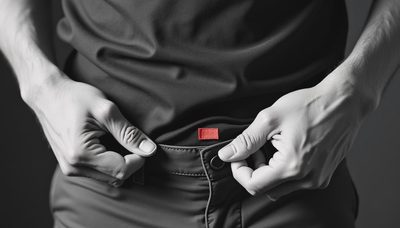
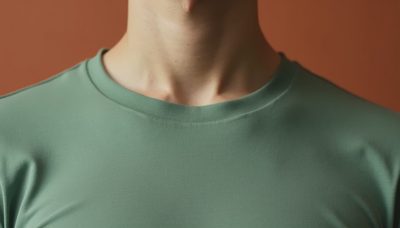
I have seen this on about 500 guys, and the fix is almost always the same: take away two bad items and tailor the ones that are left. A shirt should skim the body, not grab the stomach or billow at the sides. Shoulder seams should sit on the edge of your shoulder, not halfway down your arm. Pants should break once at the shoe, unless you are going for a shorter modern hem on purpose. When sleeves are too long, or a jacket is too tight across the chest, people read it as sloppy before they ever notice the brand.
This is where alterations earn their keep. A hem is often $15 to $25. Taking in a waistband or shortening sleeves can run $25 to $60, which is still cheaper than replacing a whole closet full of wrong sizes. I have put a $70 shirt next to a $180 shirt after alterations, and the cheaper one won because it fit the actual man in front of me. That is why a basic men's wardrobe works best when the budget goes toward fit and fabric instead of logo chasing.
The first seven purchases to make
If you are starting from scratch, buy in this order: one pair of dark jeans, one pair of chinos, two tees, two Oxford shirts, one casual jacket, and one decent pair of shoes. That gets you through most weeks without feeling underdressed. Levi's 511 or 514 jeans usually land in the $60 to $90 range. Uniqlo tees are often around $20. A good pair of chinos from Bonobos, J.Crew, or Gap can sit between $70 and $120, and a navy blazer from those same brands often lands around $150 to $300 if you are shopping smart.
A basic men's wardrobe also benefits from a little restraint on color. Navy, white, gray, olive, and indigo make the easiest mix. Once those are covered, you can add texture instead of noise: oxford cloth, brushed cotton, merino wool, denim. Texture keeps simple clothes from looking flat. A white tee under a navy overshirt or a merino sweater over chinos does more for a man than ten trend pieces ever will.
How to build a basic men's wardrobe on a budget
If your basic men's wardrobe is going to last, do not chase the cheapest version of everything. Spend more where the item gets heavy use. Shoes, jeans, and outerwear are worth more attention because they take the most abuse. T-shirts and undershirts can stay inexpensive as long as the neck holds shape and the fabric is not see-through. I tell guys to set a rough cap: $300 to $500 to cover the first wave of essentials, then fill gaps one at a time instead of blowing $1,200 in a panic.
Shopping sales helps, but only if you already know your size and the cut that works. J.Crew Factory, Banana Republic Factory, Nordstrom Rack, and the outlet side of brands like Bonobos can be useful when you are looking for chinos, knit shirts, and lightweight jackets. The smart move is to try the fit in person when you can, then buy the same cut online when it goes on sale. That is how a basic men's wardrobe gets built without turning your credit card into a teaching moment.
Common mistakes that make simple clothes look wrong
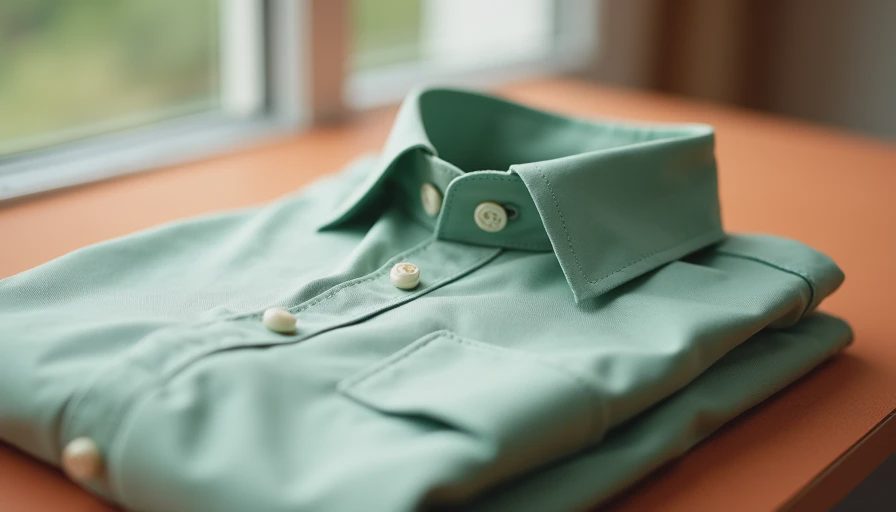
The biggest mistake is buying for the guy you wish you were instead of the guy in the mirror. Slim does not mean painted on. Relaxed does not mean sloppy. If the shirt pulls at the buttons, size up or try a different brand. If the pants need constant tugging, the rise is probably wrong. If the jacket makes you feel like you borrowed it from a cousin, the shoulders are off. I have seen men blame their body when the problem was really the cut of the clothes.
The second mistake is leaning on old favorites that no longer do the job. A faded college hoodie, shoes with wrecked soles, or a dress shirt collar that has gone limp can drag down everything else around them. One clean sneaker, one good boot, and one sharp shirt will do more for confidence than a closet full of nostalgia. That is also why a basic men's wardrobe should be reviewed once a year. If something does not fit, does not match, or does not get worn, it is taking up emotional rent.
When the closet is actually done
You are not trying to become a different person. You are trying to make getting dressed less annoying. When you can handle the office, a date, a barbecue, and a kid's school event with the same core clothes and only small changes, the system is working. Add a sweater when it is cold, swap sneakers for boots when the weather turns, and keep the rest simple. That is the point of a basic men's wardrobe: enough options to cover real life, not so many choices that you waste ten minutes every morning.
If you want a shortcut, start with one honest inventory. Pull out the pieces you wear most, toss the ones that fit badly, and notice what is missing instead of buying duplicates. A basic men's wardrobe should make you look more intentional without making you feel like you joined a club. In my world, that is a win. Fit first. The rest is noise.
No letters yet — pray write the first.