The first time a guy asks me about men's wardrobe basics, he usually means one of two things: I need to stop looking sloppy, or I need a closet that does not require a pep talk every morning. After 10 years in fitting rooms, I can tell you the answer is not more clothes. It is fewer clothes that fit right, play nice together, and survive real life, from school drop-off to a Tuesday client meeting to grabbing burgers on Charlotte Avenue. Fit first. The rest is noise.
Men's wardrobe basics: start with the pieces you will actually wear
If you are building from zero, start with a white crewneck T-shirt, a light blue Oxford, a dark wash jean, one pair of khaki or olive chinos, and clean leather sneakers or simple brown shoes. That is the spine of men's wardrobe basics, because each piece works with the others without needing fashion-school imagination.
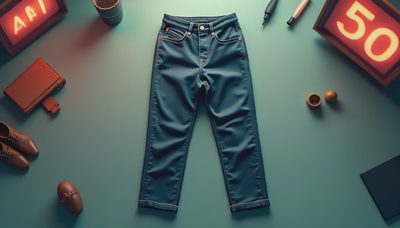
The white tee should skim the chest, not cling to the stomach. The Oxford should have enough room in the shoulder and upper arm that you can lift a grocery bag without yanking the shirt out of your waistband. Dark jeans hide more sins than light wash denim, and they can go from lunch to dinner without a costume change. Chinos are the bridge between jeans and dress pants. I like them in a straight or slim-straight fit because that shape works on most men and does not fight your thighs when you sit down.
If you only buy one shoe, make it a low-profile sneaker in white or leather that is easy to wipe down. The goal is not to impress strangers. The goal is to have a uniform that works on a workday, a date night, and the random Saturday when your wife asks if you can stop by Target and the hardware store in the same trip.
Fit beats brand every time
I've seen this on about five hundred guys, and the fix is always the same: the shoulder seam is the first place to look. If it is hanging off your shoulder, the shirt or jacket is too big. If it is biting in, it is too small. Sleeve length matters too. On a button-up, the cuff should land near the wrist bone, not halfway up the forearm or draped over the hand like you borrowed someone else's shirt.
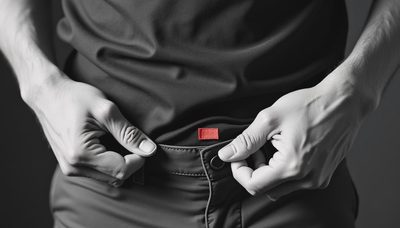
The whole point of men's wardrobe basics is not to own a lot. It is to own the right versions of a few things, and fit is what makes them look intentional instead of accidental. Pant fit is just as important. You want room in the seat so you can sit in the car for 40 minutes without adjusting yourself at every stoplight. You want the thigh to follow your leg, not squeeze it. And you want the hem to break once, maybe twice, at the shoe. Too much break looks tired. No break can look too trendy, which is usually not what a guy in his 30s or 40s is after.
Tailoring is the cheapest upgrade in style. A $25 hem on a pair of pants can make an off-the-rack purchase look like you paid attention. A $20 sleeve tweak on a blazer is usually worth it. I have watched a $60 shirt look better than a $180 one just because the first one was sized correctly.

Build a small color palette and stop fighting it
Once the fit is right, keep the palette simple. Navy, gray, white, olive, tan, and dark denim will carry most men farther than a closet full of loud colors you wear once a year. This is where the closet starts paying rent, because the same shirt can work with jeans, chinos, or a jacket without you standing in the mirror for ten minutes.
Here is the trick: choose one main neutral for your pants and one for your tops, then repeat them until dressing feels automatic. If you wear a lot of black shoes, navy pants, and white shirts, you can get dressed half-asleep and still look intentional. If you live in warmer weather, olive and tan do a lot of heavy lifting because they read relaxed without reading sloppy. If you work in a more formal office, keep the same idea and just shift the fabric. Cotton oxford instead of jersey. Unlined jacket instead of heavy wool. Straight-leg trouser instead of five-pocket jean.
I tell clients to think in outfits, not single purchases. A new shirt is not much help if it does not work with at least three things already in the closet. That one rule prevents a lot of expensive mistakes.
Add layers before you chase trends
The easiest way to make a basic closet look finished is to add one layer: an overshirt, a chore coat, a cardigan, or an unstructured blazer. The right layer gives shape through the torso, which helps if your body changed a little after 35 and the old slim cuts started acting like they had a personal grudge.
For most guys, an overshirt in navy, olive, or brown is the smart buy. It does the job of a jacket when the weather is weird, and it gives a tee or Oxford some structure. A simple sweater works for offices that run cold. A blazer works when you need to look like you tried, but not like you are attending a wedding in someone else's hometown.
This is where men's wardrobe basics separate from random shopping. A good layer should work open and closed, and it should make the rest of the outfit look calmer. If it draws attention because of wild texture or oversized branding, you are paying for distraction. I would rather see a guy in a $90 overshirt from Uniqlo or J.Crew than a flashy jacket that never gets worn.

Buy less, but buy the right version
When someone asks me how to start over, I do not hand them a giant checklist. I tell them to replace the worst thing first. Maybe that means the jeans with a blown-out knee. Maybe it means the dress shirt with a frayed collar. Maybe it means the sneakers that have gone from white to a color nobody can name.
The point is not to own the most items. It is to own enough good ones that you can get ready without thinking. If your budget is tight, spend on the pieces people see most: pants, shoes, outerwear, and the few shirts that get worn every week. Save on trend pieces and anything with a logo the size of a license plate. Brands like Levi's, Banana Republic, J.Crew, Bonobos, and Abercrombie all make solid stuff in the right categories, but the specific item matters more than the label. A bad cut from a good brand is still a bad cut.
I also like to remind men that grooming is part of the equation. A clean haircut, trimmed beard, and shoes that are not scuffed to death can do more for your look than another shopping trip. If you get the core pieces right, you stop feeling underdressed all the time. That is the win.
Keep the closet honest
Once the basics are in place, the job is maintenance. Every season, pull out anything that is stretched out, pilled, or too small in the shoulders. If you have not worn a piece in a year, ask why. If the answer is that it does not fit your actual life, it probably needs to go. I have seen too many good closets clogged by clothes from a different job, a different body, or a different decade.
The best men's wardrobe basics are the ones you can reach for without a second thought. That is the whole game. You open the closet, pick up two or three things, and get on with your day. If you want help building that kind of rack from scratch, start small, focus on fit, and stop buying for the imaginary version of yourself who suddenly loves browsing menswear blogs. Fit first. The rest is noise.


No letters yet — pray write the first.