A guy walked into my fitting room at Bonobos holding a Target bag in one hand and one of our oxfords in the other. He asked me to settle an argument he was having with his wallet: $50 oxford vs $150 oxford — where does the extra hundred actually go? It's a fair question. Most men would rather spend that difference on groceries or a good pizza oven. So let's actually break it down, shirt by shirt.
I've fitted thousands of guys who stare at price tags and worry they're paying for branding. Sometimes they are. But with a $50 oxford vs $150 oxford, the money usually lands in four places: fabric, fit, construction, and the kind of small details that show up after five washes. Let's walk each one.
Why They Look Alike on the Hanger
From ten feet away, both shirts look identical. They're both blue. Both have a button-down collar. Both have a chest pocket. That's where the similarity ends. The cheap one is made from broadcloth that's been calendared — heat-pressed to make it look smoother and shinier than it actually is. The expensive one uses a heavier Oxford cloth with a visible, bumpy basketweave. You can feel the difference before you even put it on. I'll ask a guy to run his fingers across both fabrics. Every time, he pauses. The $50 shirt feels like a bed sheet. The $150 shirt feels like it has structure.
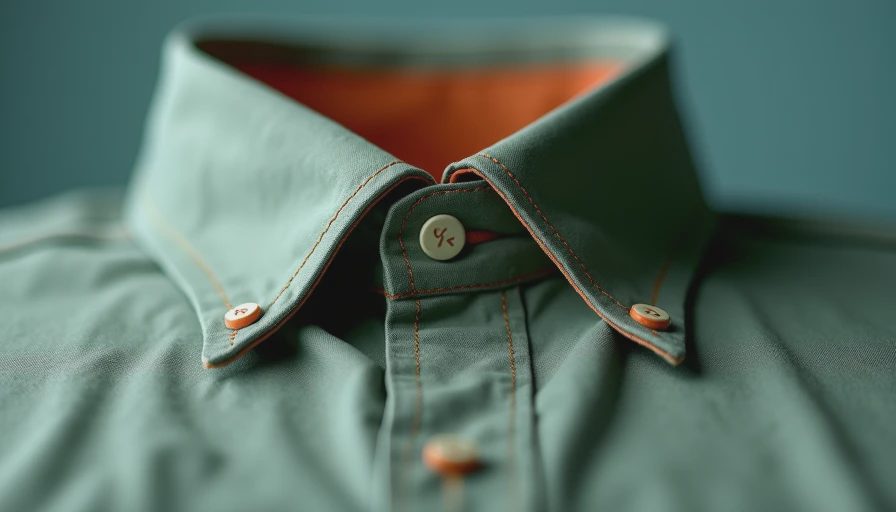
Now, is that structure worth $100? Not necessarily on its own. But it changes how the shirt behaves when it's on your back. A sheet-like shirt clings, wrinkles, and rides up. A structured shirt drapes and keeps its shape. That's the first clue the expensive shirt is doing more work than just looking fancy.
The Fabric Tells the Truth
Oxford cloth is defined by its basketweave. On a $50 oxford, the weave is usually tight and regular, but the cotton is short-staple, meaning it wrinkles more and pills faster. On a $150 oxford from a brand like Bonobos, Brooks Brothers, or Spier & Mackay, the cotton is longer-staple — often Supima or Egyptian cotton — which means it drapes better and gets softer without falling apart. That's not marketing talk. That's the actual structure of the thread. Short fibers poke out, catch on things, and break. Long fibers lie flat. You don't notice the difference on day one. You notice it on day 200, when the cheap shirt's collar tips over like a tired sunflower and the good shirt still holds its roll.
The Fit Is Where $100 Either Stays or Goes
Here's what actually matters with fit. A $50 oxford from a big-box brand usually comes in one shade of regular: too boxy for most guys under 200 pounds, too snug across the chest for guys over. There's no shoulder adjustment, no taper through the waist. You buy the Men's S-M-L fit and get a tent. A $150 oxford from a brand that actually sells sizes, or one you take to a tailor, can be altered to fit your actual body. Here's a trick I use in the fitting room: button the shirt all the way up, then lift your arms over your head. If the hem pulls out of your pants and the buttons tug at your chest, the shirt is fighting you. That's not a fit, that's a negotiation. The difference between a $50 oxford vs $150 oxford in this area is the difference between a shirt that hangs on you and a shirt that moves with you.

Buttons, Collar, and the Little Things You Notice by 3 PM
But let's talk about the small stuff, because that's where the cheap shirt really gives itself away. Plastic buttons turn chalky and crack after a few washes. Mother-of-pearl or corozo buttons hold their color. The collar on a budget shirt has a soft fusing that bubbles after the first dry clean. A good shirt uses a sewn-in lining that keeps the points from curling. The placket — the strip of fabric under the buttons — is thin on cheap shirts and twists when you sit down. A reinforced placket stays flat. None of this matters in the dressing room. All of it matters at 3 PM in a meeting when you reach for your coffee and notice the shirt looks like it has a rumple in the wrong place.
How to Decide With Your Own Two Hands
So how do you decide without becoming a fabric nerd? Try this. First, hold both shirts up to the light and see if you can see your hands through them. If you can, they'll be see-through in white and they'll wrinkle like tissue paper. Second, button the cuffs and pull the shirt over your head the way you'd actually put it on. Pay attention to how the button holes line up. Third, grab the bottom hem and give it a hard tug. If the fabric stretches out or you hear a seam pop, walk away. Fourth, look at the stitching inside the collar placket. It should be straight and tight, not wobbly. Fifth, ask yourself how often you'll actually wear this shirt. If you wear an oxford twice a month, the $50 option is probably fine. If you wear one to work every week, the $150 shirt will last about three times as long. Cost per wear works out in favor of the good shirt.
Here's how I put it to the guy in the fitting room. A $50 oxford vs $150 oxford isn't about status, it's about cost per wear. If you need one blue shirt for the occasional dinner, save your money. If you live in oxfords all week, buy the better one and thank yourself next year. My rule is simple: one good oxford beats three average ones. Fit first. The rest is noise.


No letters yet — pray write the first.