I spent ten years in a Bonobos Guideshop fitting room, and if there's one thing I learned, it's that most pants problems aren't the pants. It's the fit. A guy would walk in wearing jeans that bunched at the ankle or chinos that sagged in the seat, and he'd swear they were fine. How pants should fit men is a question I answered thousands of times, and the answer never changed. It comes down to four zones: the waist, the seat, the thigh, and the break. Get those right, and you don't need a fashion degree.
The Waist: The Real Test
Here's the test that never fails. Put the pants on and button them. You should be able to slide your flat hand between your waist and the waistband. If you can fit two fingers, they're too loose. If you have to suck in to button them, they're too tight. And whatever you do, don't rely on the number on the tag. I can't tell you how many guys told me they wear a 34, then measured a 36. Waist measurements change as you age, and tag sizes vary by brand. A pair that fits will stay up without a belt, though a belt is a good backup.
The other part of the waist check is where the pants sit on your hips. Dress pants and chinos should sit at your natural waist, right around your belly button. Jeans can sit a little lower, but they should still cover your underwear when you bend over. If you're constantly tugging at the back of your pants, they're not sitting right.
The Seat and Thigh: Where Most Pants Go Wrong
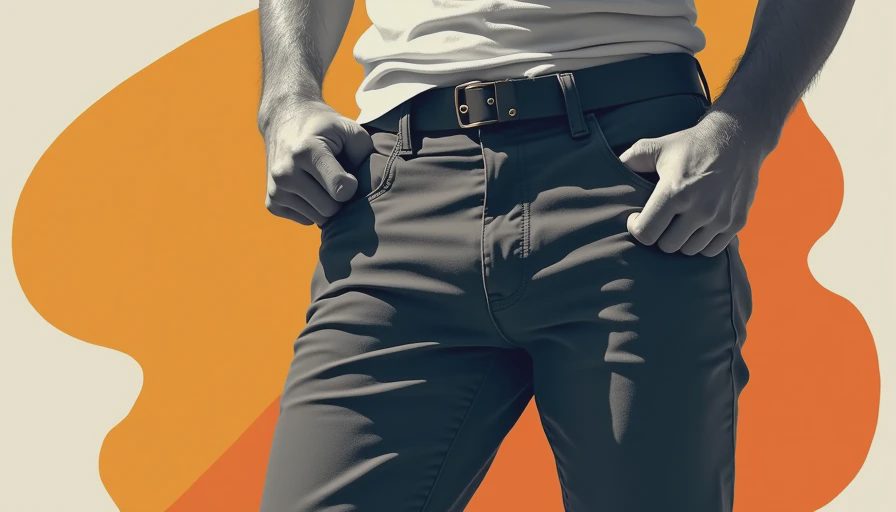
The seat is where most men go wrong. When you're standing straight, the fabric should skim just below your rear without sagging. If you see a droop at the back of your thighs when you walk, the pants are too loose in the seat. If the fabric wrinkles under your rear when you sit down, that's normal. Don't panic about that. The thigh is next. You should be able to pinch a small fold of fabric at the side of your thigh, about half an inch. If you can pinch more, they're too loose. If you can't pinch any, they're too tight. The issue is that guys often buy a size up for the seat or thigh, then fix the waist with a belt. That creates the bunching at the front. Find a cut that matches your body type. Most brands make a slim, athletic, and relaxed taper. Slim doesn't mean skinny. It means a straighter line from hip to knee.
The Break: Where Your Pants Meet Your Shoes
The break is the fold of fabric where your pants hit your shoes, and it's a bigger deal than most guys think. How pants should fit men in this area depends on the shoe. For dress pants, you want a slight break, just one soft fold resting on the top of your shoe. A full break is a heavier fold that works on older guys but looks sloppy on most. A no-break means the hem just grazes the top of your shoe, which works well for cropped chinos or slimmer fits. For casual pants, a medium break is usually safe. The length is the inseam, not a universal rule. A 30-inch inseam fits one guy perfectly and is a flood on another. The best approach is to try on pants with the shoes you actually wear. The hem should hit the top of the shoe's heel in the back, and the front should stop just before the eyelets on a dress shoe.
Getting the Length Right Without a Tailor
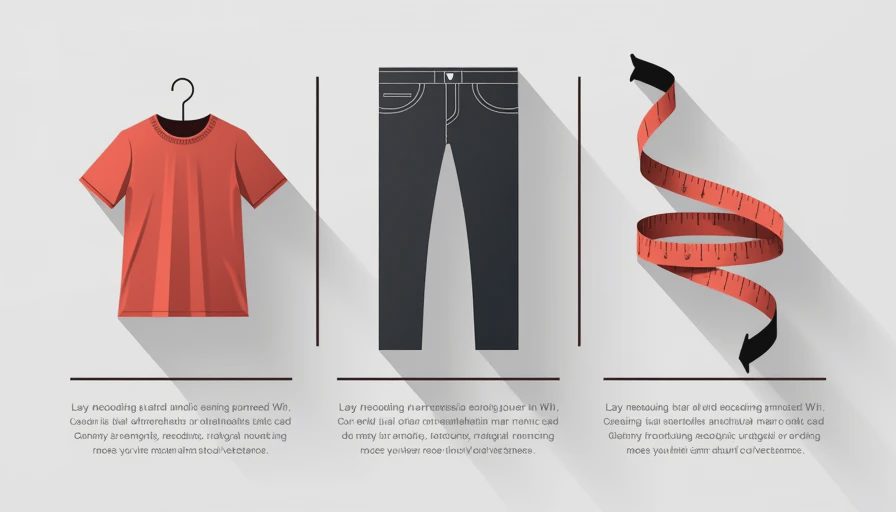
You don't have to be a tailor to fix a hem. A decent alterations shop will hem a pair of pants for $10 to $15, and it's worth every penny. But if you want to check the length before you buy, there's a simple trick. Stand in front of a mirror in dress socks and the shoes you'll wear. Look down. The front of the pant leg should touch the top of your foot and rest there, not pool into a pile of fabric. The back should fall just below the top of the shoe's heel. For jeans or chinos, some guys prefer a shorter length that barely reaches the shoe, but that's a style choice. The safest bet is a slight break. And when you look at the inside leg seam, that's your inseam. Knowing your inseam is more important than your waist size. I can't tell you how many men know their waist but not their inseam. That's the single best number to memorize.
A 60-Second Fitting-Room Checklist
Before you buy any pair of pants, run through this checklist. It takes less than a minute. First, check the waist by sliding your hand in. Then squat down to test the seat. If the pants strain across the front when you squat, size up or try an athletic cut. Third, pinch the thigh. You should have about half an inch of fabric. Fourth, check the break with your shoes on. The front should create one soft fold at most. Fifth, look at the back. No bagging, no tightness. Finally, walk around the store a little. Your legs should swing freely without friction. If all of that feels right, you're done. And if you find a pair that fits perfectly, buy two. Brands change fits every season, so if it works, grab a backup.
One Last Word
This seems like a lot, but once you've done it a few times, it becomes automatic. The goal isn't to chase trends. It's to walk into a store, pick up the right size, and spend less time in the fitting room and more time on things you care about. Next time you're looking at pants, do the waist test, the squat test, and the fold test. Now you know how pants should fit men, from the waist to the break. Try it on your favorite pair and see if they measure up. Fit first. The rest is noise.
No letters yet — pray write the first.