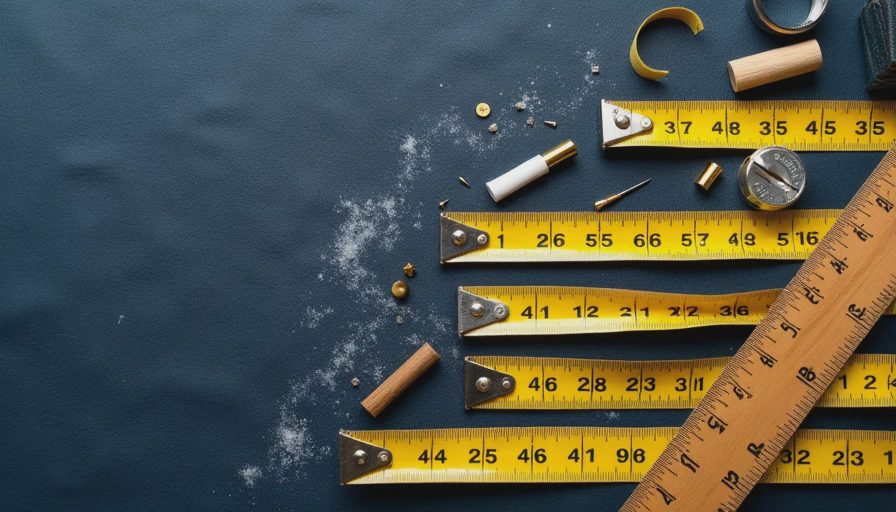
The Numbers Don’t Lie
Five thousand men. That’s a lot of chests, waists, shoulders, and inseams. Over ten years at Bonobos Guideshops I measured, fitted, and helped dress guys from every walk of life. Tall and short. Young and old. Skinny, athletic, dad bods, and everything in between.
What surprised me most wasn’t the differences — it was how many patterns repeated themselves over and over again. Here are the biggest lessons I took away from all those fittings. These aren’t theories. They’re observations from thousands of real bodies and real frustrations in the mirror.
The Three Most Common Fit Problems I Saw
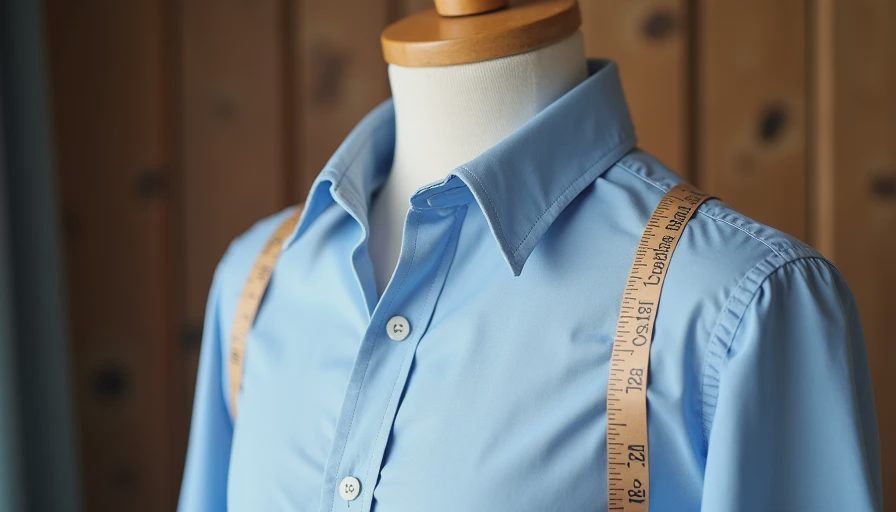
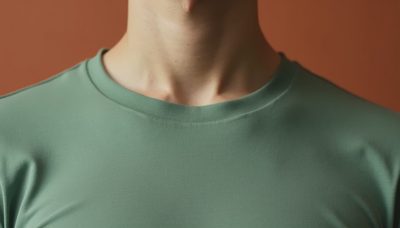
Shoulders: The Make-or-Break Point
If the shoulder seam sits too far out on your arm, the whole shirt or jacket looks sloppy no matter how well the rest fits. Too tight and you get that restricted “I can’t move” feeling.
Lesson: Always prioritize shoulder fit first. Everything else can often be tailored, but shoulders are structural. I saw hundreds of guys buying jackets based on chest size alone and wondering why they looked off. Shoulders tell the real story.
The Waist vs. Thighs Battle
This one is incredibly common. A guy will have a relatively trim waist but powerful thighs from sports, lifting, or just genetics. Standard “regular” cuts create a constant tug-of-war.
Lesson: Brands that offer athletic or relaxed thigh options exist for a reason. Don’t be afraid to size up in the waist and get them tailored, or switch to brands that actually understand this body type. Your comfort and appearance improve dramatically when you stop fighting your thighs.
The Length Lie
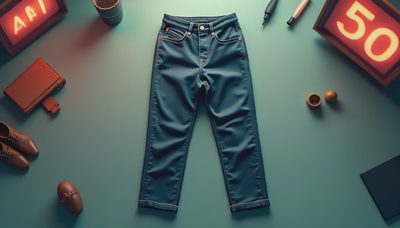
Way too many men wear pants that are too long. They accept puddling fabric at the ankles because they think hemming is complicated or expensive. It’s usually neither.
Lesson: Proper hem length changes your entire silhouette. A clean break makes you look sharper and more put-together without any extra effort. I can’t count how many times a simple hem transformed an outfit from “fine” to “damn, that looks good.”
What Most Size Charts Get Wrong
Size charts assume every body is proportionally perfect. Reality is messier.
A guy who is 5'10" with a 42" chest might need a completely different shirt length than another 5'10" guy with a 38" chest.
Tall guys often get sleeves that are too short.
Shorter guys get shirts that billow like tents.
Vanity sizing means your “large” might be someone else’s “medium.”
The real measurement that matters most? How the garment feels and moves on your body. Charts are starting points. The mirror and movement tests are the final judges.
Surprising Patterns Across 5,000 Fittings
Dad bods are normal — and easy to dress well. The majority of men I helped carried some weight in the middle. The secret wasn’t hiding it. It was balancing proportions — structured shoulders, proper waist suppression, and pants that fit the thighs and seat correctly. Done right, you look solid and confident, not sloppy.
Age changes your fit needs. Guys in their 40s and 50s often need a little more room in the chest and shoulders than they did in their 30s, even if the scale hasn’t changed much. Posture shifts. Muscle distribution changes. Good clothes adapt with you.
Most men underestimate their own potential. I can’t tell you how many times a guy walked in saying “I’m hopeless with clothes” and walked out standing taller after seeing himself in something that actually fit. The transformation was never about fashion — it was about stopping the quiet daily annoyance of bad fit.
Practical Takeaways You Can Use Today
Get measured properly — even if it’s just a friend with a tape. Know your true neck, chest, sleeve, waist, and inseam.
Prioritize shoulders and seat — these two areas make the biggest visual impact.
Don’t fear tailoring — a few small adjustments often beat buying something new.
Build around your actual body — not the body you wish you had or had ten years ago.
Test in motion — standing still in the mirror lies. Walk, sit, reach — that’s when real fit reveals itself.
Why This All Matters
Clothes that fit properly don’t just look better — they remove a layer of daily mental friction. You stop adjusting, tugging, and thinking about your outfit. You just feel good and get on with your day.
That’s what I want for every reader here. Not to chase trends or impress strangers, but to stop fighting your clothes and start feeling comfortable in your own skin.
Fit first. The rest is noise.
The next time you’re getting dressed, run through the lessons above. Pay attention to those repeating problems. Small changes compound fast.
I’d love to hear what you discover about your own fit challenges in the comments. What’s the one thing that’s been quietly annoying you about your clothes?

No letters yet — pray write the first.