The first time a guy sits in my fitting room wearing a suit jacket two sizes too large, he usually says the same thing: “I need formal corporate attire, but I do not want to look like I am borrowing my dad’s clothes.” Fair enough. Most men are not trying to become style experts. They need to walk into a client meeting, interview, presentation, or company dinner looking capable without spending three Saturdays shopping.
I spent 10 years fitting men at Bonobos, and the solution was rarely more clothing. It was usually a better shoulder, a shorter sleeve, or pants that did not puddle over the shoe. Fit first. The rest is noise.
What formal corporate attire actually includes
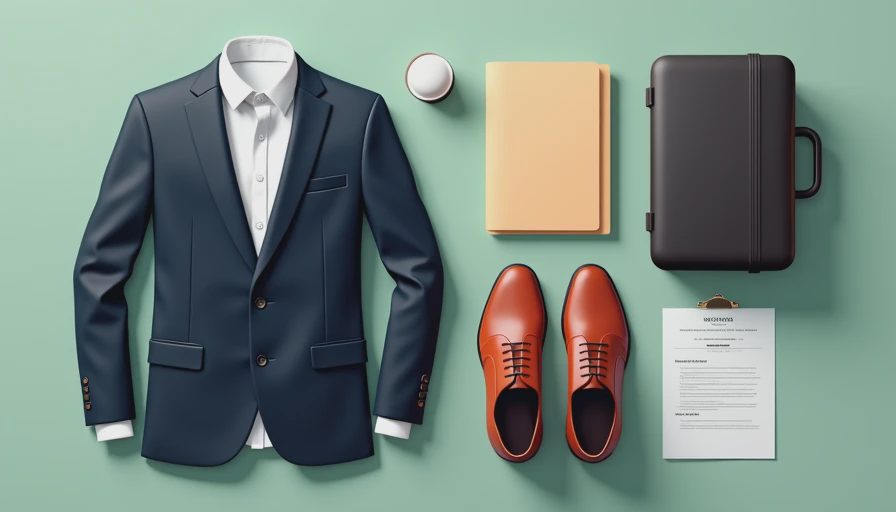
Formal corporate attire is a small system, not a closet full of nearly identical navy suits. Start with one well-fitting navy suit in a medium or dark shade. A second suit in charcoal gives you enough rotation for a normal workweek, especially when you vary the shirt and tie. If your office is conservative, a subtle gray or navy pattern can work later, but solid colors earn their keep first.
For shirts, buy four or five in white and light blue. Those colors work with navy, charcoal, black, and most conservative ties. A spread or point collar is more useful than an aggressively narrow collar because it sits cleanly under a standard suit jacket. Look for cotton with enough structure to hold its shape, but do not pay $180 just for a famous label when a $50 to $90 shirt fits better.
Your basic formal corporate attire lineup also needs two pairs of dress shoes. Black cap-toe oxfords are the safest choice for the most formal meetings. Dark brown derbies or loafers give you a little more flexibility with navy and gray. A belt should match the general color of the shoes; it does not need to be an exact leather twin.
The fit checks that matter most
Here is what is actually happening with that jacket. The shoulder seam should land close to the end of your shoulder, not halfway down your upper arm. If the shoulder is too wide, a tailor cannot cheaply fix the entire shape. If the body is slightly loose, that is a simple alteration.
The jacket sleeve should show about a quarter to half an inch of shirt cuff. More than an inch can look accidental, while no visible cuff often makes the jacket appear oversized. The jacket should close without pulling into an obvious X across your stomach. You should be able to slide a flat hand between your chest and the buttoned jacket, but not make a fist.
Pants should sit comfortably at your natural waist or just below it, depending on the rise. The hem should create a small break over the shoe rather than a stack of fabric. If you have larger thighs, do not solve the problem by sizing up the entire pant. Buy for the seat and thigh, then have the waist adjusted. I have seen this on several hundred guys, and the fix is usually a $15 to $30 alteration rather than a completely different wardrobe.
The best formal corporate attire can look mediocre when the sleeves are too long and the trousers are pooling. That is why I would rather see a $400 suit fitted properly than a $1,200 suit worn straight from the box.
Building a practical suit rotation
A useful rotation starts with the situations on your calendar. If you have three formal meetings in one week, navy and charcoal prevent your coworkers from seeing the same full outfit repeatedly. Wear the navy suit with a white shirt and burgundy tie on Monday. Wear charcoal with a light blue shirt and navy tie later in the week. Change the shoes and pocket square only if the setting calls for it; you do not need decorative fireworks.
For formal corporate attire in a traditional office, keep tie patterns small and quiet. Repp stripes, dots, and restrained geometric patterns are easy to coordinate. A tie should generally be darker than the shirt and sit at the waistband, with the tip touching the top of your belt or trouser button. If it hangs several inches above that point, the tie is too short or the knot is too large.
A suit jacket should not be treated like a blazer when the fabric is highly formal or sharply matched to its pants. Once you have a navy suit and charcoal suit, add a separate navy blazer only if you regularly attend smart-casual events. A gray wool trouser, white shirt, and navy blazer can cover a company dinner without making you look as if you lost the bottom half of a suit.
What to spend and where to save
You can build credible formal corporate attire for roughly $900 to $1,500 if you buy carefully. A suit in the $300 to $700 range from brands such as J.Crew, SuitSupply, Spier & Mackay, or Bonobos can be a sensible starting point, depending on the cut and current pricing. The important question is not whether the label sounds impressive. It is whether the jacket fits your shoulders and the trousers can be altered without rebuilding the garment.
Spend first on the suit fit, then on alterations. Budget $50 to $120 for common work, including trouser hemming, waist adjustment, and sleeve changes. A $450 suit plus $80 in tailoring often beats a $900 suit with sleeves that cover your hands.
Save on accessories at the beginning. A $35 silk tie from a reputable retailer can perform perfectly well. Dress socks in navy, charcoal, and burgundy are enough for most combinations. Buy a white pocket square later, and fold it simply. Formal corporate attire should communicate that you are prepared, not that you spent your lunch break studying accessory tutorials.

Shopping without losing an entire weekend
Start by measuring your chest, waist, sleeve, and inseam, but treat those numbers as a starting point. Brands measure differently, and your body is not a spreadsheet. Try on the jacket with a shirt you would actually wear. Button it, sit down, raise your arms, and check the back for pulling. Walk in the pants for five minutes. A fitting room mirror only tells half the story.
Bring the shoes you plan to wear, or bring a pair with a similar sole thickness. Trouser length can look correct in sneakers and too short with dress shoes. If ordering online, choose retailers with straightforward returns and do not remove tags until you have checked the shoulders, collar, and seat. For formal corporate attire, a local tailor is often more useful than another hour of browsing product photos.
Take a phone photo from the side and back. It feels slightly ridiculous, but it reveals a jacket collapsing at the lower back or trousers twisting at the calf. I have used this trick with clients who insisted the front looked fine. The back had a completely different opinion.
The five-minute formal corporate attire checklist
Before leaving home, check five things. First, make sure the shirt collar sits against your neck without gaping. Second, confirm that the jacket button is not straining. Third, inspect the trouser hem and remove any loose temporary stitching. Fourth, check that the tie is centered and reaches the waistband. Fifth, brush lint from the jacket and polish the front of the shoes.
Keep grooming simple: clean nails, tidy hair, and a restrained fragrance if you wear one. Your clothes should support the conversation, not become the conversation. This is especially true for an interview or a first client meeting, when people are forming quick impressions before you have had a chance to explain your expertise.
My practical formal corporate attire rule is simple: if you notice the clothing all day, something is probably wrong. The collar may be tight, the jacket may be pulling, or the shoes may be punishing you. Fix the fit before buying another item. A small adjustment can make a two-year-old suit feel more useful than a new one.
You do not need a fashion hobby to dress professionally. Start with navy, charcoal, white, light blue, and shoes that do not make you limp by 3 p.m. Find a competent tailor, learn your measurements, and buy fewer pieces with clearer jobs. Once the foundation works, getting dressed for the office becomes routine instead of a daily negotiation.

No letters yet — pray write the first.