On a weekday in Nashville, I see a lot of men trying to make one closet do two jobs. They want to leave the office, grab dinner, pick up a kid, and still look like they meant to get dressed. Broadway to boardroom men are usually not chasing style points; they just want clothes that fit, travel well, and do not scream for attention. I have fitted thousands of guys who said they hated shopping, and the pattern is boring in the best possible way: buy fewer pieces, get the fit right, and stop asking a bad shirt to rescue a bad outfit. Fit first. The rest is noise.
Start with fit before you buy anything else
The first thing I notice on a man is not the brand. It is whether the shoulder seam sits where the shoulder ends, whether the sleeve shows a half inch of shirt cuff, and whether the jacket closes without pulling like it has a grudge. That is the whole game. A $120 shirt that fits cleanly will beat a $300 shirt that bunches at the waist and gaps at the collar. I have seen that play out in more than 5,000 fittings.
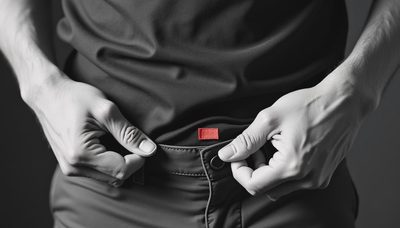
If you are trying to look ready for work without looking dressed up, pay attention to the middle of your body. Most off-the-rack jackets are too long for shorter men and too boxy for slimmer ones. Trousers should skim, not cling. If the hem is dragging or the break looks heavy, spend the extra $20 to $40 on tailoring. Sleeve shortening usually lands in the $15 to $30 range, and a trouser hem is often cheaper than one lunch out. That money is doing real work.
Build a small closet that can change jobs
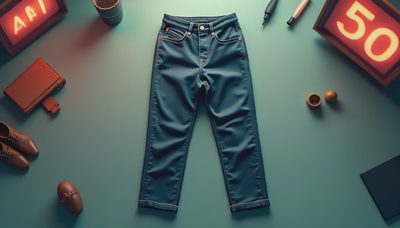
For broadway to boardroom men, the goal is not more variety; it is fewer pieces that can change jobs. Start with a navy unstructured sport coat, a blue oxford cloth button-down, a white tee with a thicker knit, dark denim with a straight or athletic taper, and one pair of brown leather shoes that are clean enough for a meeting and relaxed enough for dinner. J.Crew, Bonobos, Banana Republic, and Uniqlo all make versions of those basics at prices normal people can live with.
The color palette matters more than guys think. Navy, gray, white, light blue, olive, and dark indigo are easy to mix, and they do not fight each other. If your closet is built on those shades, getting dressed becomes a matching problem, not a shopping problem. That is why broadway to boardroom men usually look better after they stop buying loud shirts and start buying the quiet ones that actually fit their frame.
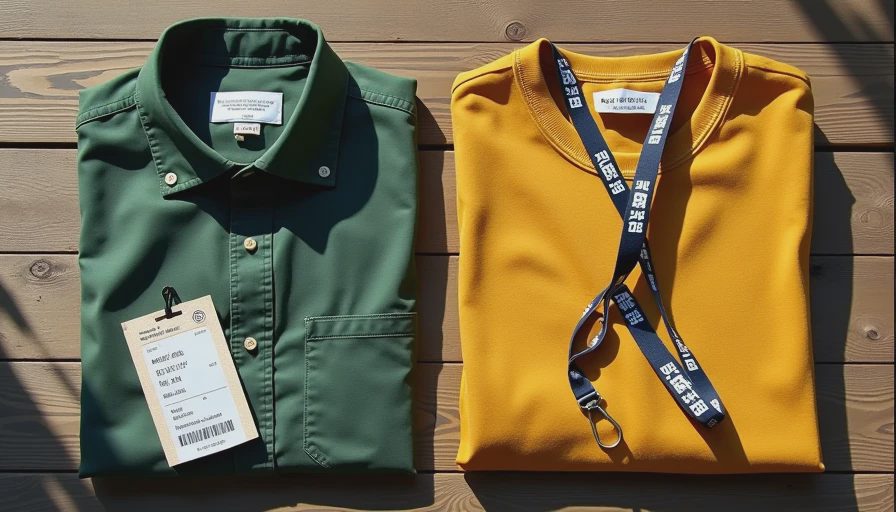
What changes when the day splits in two
The hard part is not office clothes. It is the handoff from office to everything else. A navy blazer over a soft blue shirt and mid-gray trouser works in a conference room and still looks fine at a steakhouse or a casual date spot. If your office leans formal, keep the same color story but sharpen the shirt collar and wear a real leather belt that matches your shoes. If your office is casual, trade the trousers for dark five-pocket pants and keep the jacket. That is the easiest bridge I know.
This is where broadway to boardroom men save time. One good jacket changes the temperature of the whole outfit. Sneakers are fine if they are simple and clean, but a brown loafer or derby gives you more range without making you feel overdressed. If you only own one pair of shoes that can handle both worlds, make it brown leather, not black. Brown reads easier with denim and less severe with navy.
A Nashville example that feels normal on a real day
A guy I worked with in Nashville had a client meeting at 9, school pickup at 3:30, and dinner downtown later that night. He did not need a style transformation. He needed one outfit that would survive all three stops. We put him in a navy sport coat, pale blue shirt, dark denim, and brown loafers. Same shirt, same jacket, no drama. He walked out looking like he had a plan, which is really what most men are after.
I've seen some version of that fix on about a hundred guys. The ones who try to solve it with a black suit end up looking like they are headed to a funeral or a job interview they did not want. The ones who buy a softer jacket and better pants get more mileage out of every piece. That is why broadway to boardroom men should think in outfits, not isolated items.

What to buy first if you are starting from zero
If you are rebuilding from scratch, buy in this order. First, get the sport coat or blazer, because it does the most heavy lifting. Second, buy two shirts: one blue, one white. Third, buy one pair of dark pants that are not jeans and one pair of dark jeans that are not shredded. Fourth, get shoes that you can wear to a meeting and a restaurant without apologizing for them. If you have about $500 to work with, spend the biggest share on the jacket and shoes, then use the rest on shirts and pants.
The reason this order works is simple. Jackets and shoes frame the body, and bad versions of either one are hard to hide. Shirts are easier to replace and easier to tailor. Pants sit in the middle, so the fit has to be clean but not precious. That is the part most men skip when they shop fast, and it is also the reason they keep feeling like they have nothing to wear.
Where to spend and where to save
Spend more on the pieces you wear most and the ones that are hardest to fake. A well-cut sport coat, good leather shoes, and a pair of trousers that do not bag at the knee are worth the money. You can save on tees, polos, and some casual shirts, especially if you know your fit and can catch sale pricing at places like J.Crew, Bonobos, or Uniqlo. You do not need a closet full of luxury labels to look put together. You need clothes that hold their shape and respect your proportions.
What you should not cheap out on is fit. I have watched a $400 jacket lose to a $175 jacket with the right shoulders and the right sleeve length. Men notice price tags; other people notice silhouette. That is the part that matters in the room.
For broadway to boardroom men, the win is not dressing louder. It is dressing in a way that makes getting ready less annoying and the rest of the day easier. If you want a closet that works from morning coffee to late dinner, start with fit, keep the palette simple, and let the clothes do the quiet work. Fit first. The rest is noise.



No letters yet — pray write the first.