A few years ago, a guy came into the Bonobos Guideshop in Nashville and told me he needed a new wardrobe for work. He had a budget of $400, hated shopping, and expected me to hand him a rack of expensive clothes. Instead, we started with one pair of pants that fit. That is the heart of frugal male fashion: buy fewer useful pieces, make sure they fit, and stop spending money on clothes that sit untouched in the closet.
I've fitted more than 5,000 men, and the expensive-looking outfit is rarely the expensive one. It is usually a clean shirt, pants with the right rise and break, and shoes that are in decent shape. Fit first. The rest is noise.
Start With Fit, Not a Shopping Cart
The cheapest shirt in your closet is still a bad purchase if the shoulders hang past your natural shoulder line or the buttons pull across your stomach. A $35 shirt with a clean fit will usually look more polished than a $120 shirt in the wrong size. That is one of the most dependable rules of frugal male fashion.
Start by checking three places. The shoulder seam should sit close to the edge of your shoulder, not halfway down your upper arm. The side seams should fall straight rather than twist toward your back. Finally, you should be able to pinch roughly one to two inches of fabric at the sides of a shirt without feeling squeezed. You want room to move, not a tent.
For pants, pay attention to the waistband and seat before worrying about the leg opening. You should be able to slide two fingers into the waistband without fighting the button. The seat should follow your shape without horizontal strain lines. If the waist is right but the pants are long, a $15 to $25 hem can rescue the purchase. Alterations are often the most frugal male fashion move available.
Build a Small Color System
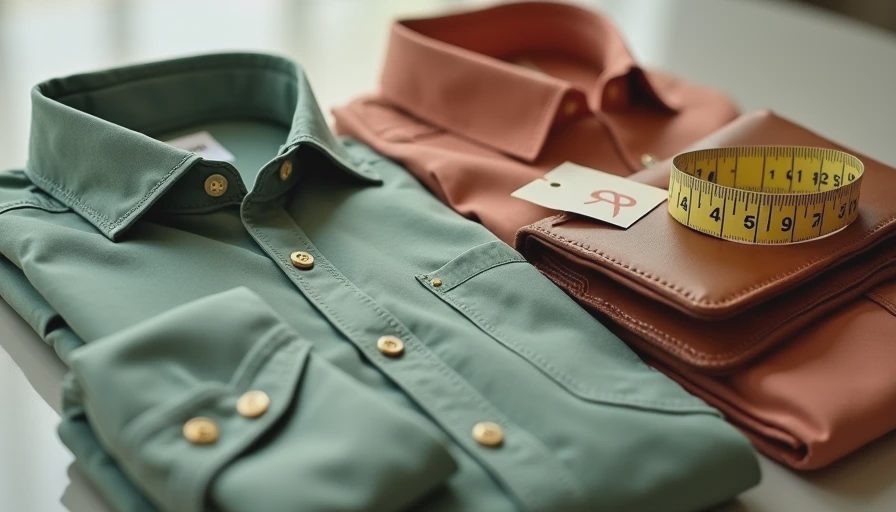
A wardrobe gets expensive when every new item requires three more items to make it wearable. A simple color system prevents that problem. Start with navy, gray, white, light blue, olive, khaki, and medium brown. Those colors cooperate across work, weekends, and dinners without demanding much thought before the coffee has happened.
A practical starting point could be two pairs of chinos, one dark pair of jeans, two Oxford shirts, three plain T-shirts, one navy overshirt or casual jacket, and two pairs of versatile shoes. Navy chinos work with white, gray, or light blue. Dark denim works with nearly every shirt listed above. Brown leather or clean brown suede connects naturally with navy and olive.
This is where frugal male fashion beats random bargain hunting. A $40 shirt that works with six things is a better deal than a $12 shirt that works with nothing. Before buying, picture at least three complete outfits using clothes already in your closet. If you cannot do that, leave it on the rack.
Spend More Carefully on the Foundation
Not every item deserves the same budget. Put money into the pieces you wear constantly: jeans, chinos, casual leather shoes, a winter coat, and a blazer if your job requires one. You do not need luxury labels. Levi's 501 or 502 jeans, J.Crew or Uniqlo chinos, and Thursday Boot Company footwear can create a dependable foundation when the fit is right. Prices change, so shop sales rather than treating the original ticket price as sacred.
Save on T-shirts, casual button-downs, and seasonal colors. Old Navy, Gap Factory, Target's Goodfellow line, and Uniqlo often provide useful basics in the $10 to $40 range. The important step is comparing fabric, stitching, and fit instead of assuming a famous logo solves anything. A $25 shirt worn 50 times costs less per wear than a $90 shirt you avoid because the collar feels wrong.
Frugal male fashion is really cost-per-wear thinking. A $70 pair of pants worn weekly for two years is a stronger purchase than four $30 pairs that fade, stretch, or never leave the drawer.
Shop Sales, Secondhand, and Alterations
Shopping secondhand works best when you know what you are looking for. Search for durable basics from brands such as Brooks Brothers, Lands' End, LL Bean, J.Crew, Levi's, and Banana Republic. A used wool sport coat can cost $40 to $100, while a new one with similar construction may cost several times more. Inspect the lining, cuffs, collar, and underarm area before paying. Small wrinkles are normal; shiny worn fabric and broken seams are warnings.
Outlet shopping requires some discipline. A discount tag does not automatically mean value, and outlet versions can differ from the mainline product. Look at the actual garment. Does the fabric feel sturdy? Are the buttons secure? Is the cut flattering on your body? Frugal male fashion requires ignoring the percentage-off sign when the item does not solve a real wardrobe problem.
Tailoring can turn an almost-right piece into a favorite. A hem, sleeve adjustment, or waist alteration commonly costs less than replacing the garment. Do not tailor shoulders or a jacket that is fundamentally the wrong size; those changes can become expensive quickly.
Use a Simple Buying Test
Before purchasing, ask four questions in plain language. Will I wear this in the next two weeks? Can I make three outfits with it? Does it fit my shoulders, waist, or seat without a major compromise? Would I still want it if the brand label were hidden?
That last question matters because frugal male fashion is about usefulness, not collecting proof that you visited a particular store. If the answer is no, put it back. Your closet should support your actual life in Nashville, at the office, at school pickup, and on a Saturday when you are carrying pizza dough to the backyard oven. It does not need to represent an imaginary version of you who attends six cocktail parties a month.
Take photos of outfits that work. A quick mirror picture gives you a reliable reference when you are tired or shopping online. Record your best shirt, pant, and jacket measurements in your phone. Brand sizes are inconsistent, but measurements give you a better chance of repeating a good purchase.
A Frugal Wardrobe That Looks Intentional
You can start this week without replacing everything. Pull out your best-fitting jeans, a clean pair of sneakers, and two shirts that do not pull or billow. Wear those combinations and notice what is missing. Maybe the missing piece is not another shirt; perhaps it is a belt, a simple jacket, or a $20 alteration.
For a working wardrobe, aim first for roughly 15 to 20 dependable pieces, then add only when a real gap appears. Rotate shoes so they can dry and recover between wears. Wash clothes according to the care label, avoid unnecessary high heat, and repair loose buttons before they become lost buttons. Maintenance is the quiet side of frugal male fashion, and it saves more money than chasing constant deals.
The goal is not to look trendy or impress people with a label. The goal is to get dressed quickly and feel like the clothes are cooperating. Buy less, measure twice, alter when it makes sense, and choose colors that already belong together. That is frugal male fashion in practice: practical clothes, sensible spending, and fit doing most of the heavy lifting.



No letters yet — pray write the first.