A guy came into the fitting room once wearing a shirt that was technically his size, but the buttons pulled across his chest and the sleeves stopped above his watch. He thought he needed a completely new wardrobe. He needed a different cut. That is the useful starting point for mens fashion 2026: buy fewer things, get the proportions right, and stop treating clothing like a personality test.
I spent ten years fitting men at Bonobos, and I have seen more than 5,000 versions of the same problem. A closet full of clothes can still feel useless when the shoulders, rise, sleeve length, or shirt body are wrong. The good news is that you do not need a designer budget or a Saturday lost in the mall. You need a short plan and a willingness to try on two sizes instead of arguing with the first one.
What mens fashion 2026 gets right about fit
The biggest shift in mens fashion 2026 is not a dramatic new silhouette. It is the return to clothes that have room without looking sloppy. Slim clothing is not automatically polished, and oversized clothing is not automatically relaxed. The right fit follows your body while leaving enough space to sit, bend, and reach for a box of takeout without splitting a seam.
Start with the shoulder seam on shirts, jackets, and overshirts. It should land near the edge of your shoulder, not halfway down your upper arm. For a T-shirt, the sleeve should usually reach around the middle of your upper arm. A good hem falls near the waistband or upper hip, depending on the shirt style. If you raise your arms and the whole shirt climbs toward your ribs, the body is probably too short.
Pants deserve the same attention. A medium or athletic build often looks better in a straight or athletic taper than in a very narrow leg. Try a 9- to 10-inch front rise if low-rise pants make your stomach feel crowded. A small break at the shoe is still useful for office trousers, while jeans can finish with little or no break. Fit first. The rest is noise.
The colors and fabrics worth buying
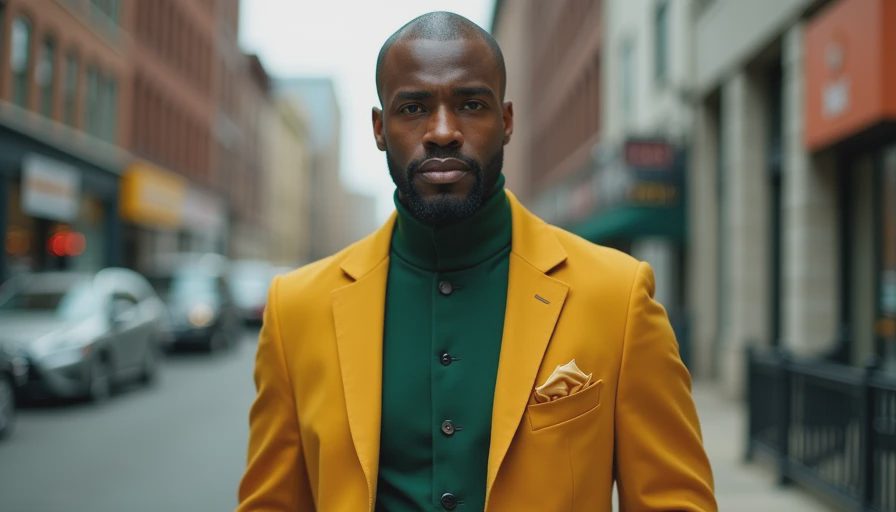
The practical side of mens fashion 2026 is a calmer color palette. Navy, charcoal, olive, cream, medium blue, and brown do more work than a closet full of loud seasonal shades. These colors combine easily, which matters when you are dressing before coffee and your child needs a ride to soccer practice in twelve minutes.
For shirts, look for cotton poplin, Oxford cloth, brushed cotton, and linen-cotton blends. A 100 percent linen shirt feels great in July, but a blend often wrinkles less and works better for a normal workday. In Nashville heat, lightweight cotton or linen is more useful than heavy synthetic fabric that traps warmth. For pants, cotton twill, dark denim, and a small amount of stretch are reliable choices. One or two percent elastane can improve comfort without turning jeans into sweatpants.
Texture also makes simple outfits look intentional. A waffle-knit polo, corduroy overshirt, or brushed flannel adds visual interest without requiring a complicated pattern. You can find solid options from J.Crew, Uniqlo, Levi's, Banana Republic Factory, and Buck Mason, with useful pieces commonly landing between $30 and $150. You do not need the premium version to look put together; you need the version that survives your laundry routine.
How mens fashion 2026 handles casual workwear
Mens fashion 2026 is especially useful for men whose office dress code is vague. The answer is not wearing a suit to a casual meeting or showing up in gym clothes because nobody sent a memo. Build a middle lane with a structured overshirt, knit polo, clean denim, chinos, and simple leather or suede shoes.
Try dark indigo jeans with a light blue Oxford shirt and an olive overshirt. The color contrast does the work, so the outfit does not need a flashy logo. Another dependable combination is charcoal chinos, a cream crewneck sweater, and brown sneakers with a simple profile. If your workplace leans more formal, replace the sneakers with derby shoes and add an unstructured navy jacket.
Here is what is actually happening with that jacket: a softer shoulder and shorter length make it feel less corporate, but the fabric still creates shape. Look for a jacket that covers most of your seat and allows you to button it without pulling across your stomach. Brands such as Spier & Mackay, SuitSupply, J.Crew, and Bonobos offer different levels of structure and price. Alterations can cost $20 to $75, which is often money better spent than replacing an almost-right jacket.
A mens fashion 2026 shopping plan that saves money
Before buying anything, pull five frequently worn items from your closet. Notice the colors you actually reach for, the pants that stay comfortable after lunch, and the shirts that do not require constant adjustment. That evidence is more useful than a trend report. If all your pants are dark, add a medium khaki or olive pair. If every shirt is a stiff button-down, try a knit polo or textured camp-collar shirt.
Set a realistic replacement budget. A strong pair of jeans might cost $60 to $140, chinos $40 to $100, a quality Oxford shirt $50 to $120, and a versatile jacket $120 to $300. Spend more on pieces that touch your body all day or anchor several outfits. Spend less on experiments. I would rather see a man buy one $90 pair of pants that fits than three $35 pairs he avoids wearing.
Use a fitting-room checklist: sit down, raise your arms, button the top two buttons, walk ten steps, and check the back of the garment in a mirror. If you are ordering online, buy from a retailer with straightforward returns and measure a garment you already like. Chest, waist, inseam, and sleeve measurements are more dependable than the word “medium,” which means something different at nearly every brand.
Shoes and finishing details without overthinking it
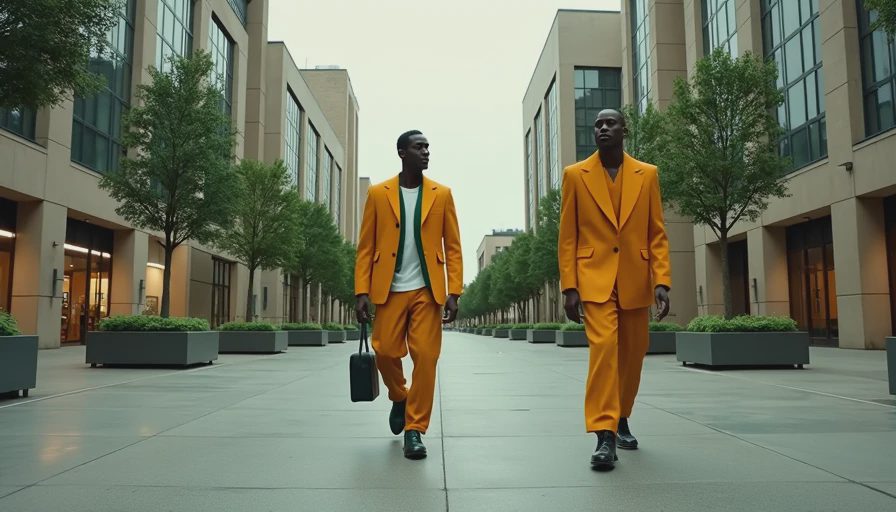
Shoes quietly determine whether mens fashion 2026 looks deliberate or accidental. Start with one clean white or off-white sneaker, one brown leather sneaker or derby, and one weather-ready boot if your climate and routine justify it. A plain leather sneaker from brands such as Adidas, New Balance, Thursday Boot Company, or Beckett Simonon can cover errands, travel, and casual dinners without looking like a running shoe.
Belts should generally coordinate with the formality and color family of your shoes, but they do not need to match perfectly. A brown leather belt, a simple black belt, and a casual woven belt cover most situations. Keep watches, rings, and hats simple if accessories are not your thing. One useful detail is better than five pieces you keep adjusting.
Clothing care also stretches the budget. Wash dark denim less often, follow the garment label, hang shirts promptly, and use a steamer instead of pressing every wrinkle flat. Replace worn-out shoe soles when the upper is still good. The most stylish purchase is often the item you already own after ten minutes of maintenance.
The simple takeaway for mens fashion 2026
The best version of mens fashion 2026 is not a demand to start over. It is permission to make your existing wardrobe easier to wear. Check the fit first, choose colors that combine, buy fabrics suited to your actual weather, and spend money on the pieces that get repeated use. If a shirt pulls, a jacket strains, or pants make you miserable by 2 p.m., the problem is information, not your body.
Start with one pair of pants, two shirts, and one casual layer. Try them on with the shoes you already wear. Take a photo from the front and side, because the mirror is generous and camera angles are not. Keep what lets you move naturally and forget about your clothes. That is the whole point: mens fashion 2026 should make getting dressed less work, not create another job. Fit first. The rest is noise.


No letters yet — pray write the first.