I spent a decade in fitting rooms, and oxford shirt quality is one of the easiest things to misread when a shirt is still on the hanger. A lot of guys grab whatever is on sale, then wonder why the collar caves in, the body shrinks up after two washes, or the shirt looks tired before it has even paid for itself. I have seen that story more times than I can count. The good news is that you do not need a degree in menswear to tell the difference. You just need to know what to touch, what to look at, and what to ignore. Fit first. The rest is noise.
Start with the cloth, not the label
When I talk about oxford shirt quality, I start with the fabric because that is where the shirt either earns its keep or quits early. A real oxford weave has texture. It should feel sturdy, a little nubby, and substantial without feeling like cardboard. You want a shirt that drapes, not one that clings like dress socks in July. The best versions usually live in the middle of the price range, where brands like J.Crew, Brooks Brothers, Lands' End, and Uniqlo are trying to balance feel and durability instead of just chasing the cheapest cotton they can buy.
Here is the practical test: scrunch the sleeve in your hand, then let it fall. Better fabric springs back with some shape instead of staying crushed. Hold it up to the light too. If it looks sheer, thin, or patchy, you are probably paying for a logo and not much else. I have fitted more than 5,000 men, and the shirts that get worn the most are usually the ones that look slightly heavier in the store, then soften up after a few washes.
Construction tells you what will happen after wash day
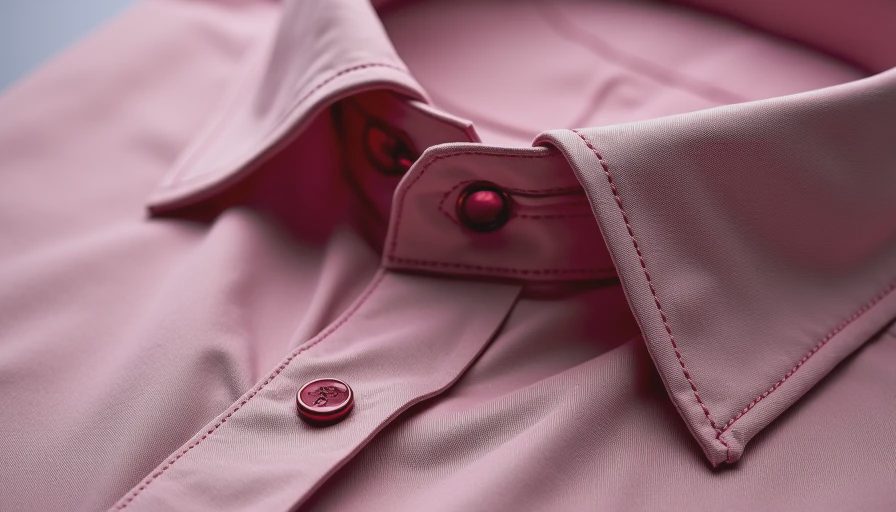
The cloth matters, but construction tells you how long the shirt will stay respectable. Check the collar first. Good oxford shirt quality usually shows up there because a weak collar looks sloppy fast. It should stand on its own, roll a little at the edges, and keep its shape after a full day at work. If the collar collapses flat right out of the gate, that shirt will look older than it is. Also look at the placket, which is the strip of fabric where the buttons sit. It should lie smooth and straight, not twist or buckle.
Now look at the seams. Even stitches, clean edges, and a hem that does not wave around like it was rushed through the factory are all good signs. None of this is glamorous, but it matters more than whatever the marketing copy says. I have seen plenty of expensive shirts with sloppy collars and plenty of modestly priced shirts built like they mean it. That is why oxford shirt quality is easier to spot with your hands than with your credit card.
Fit is where a decent shirt becomes your shirt
A shirt can be well made and still look wrong on you. That is the part most guys miss. If the shoulders are too wide, the seam slides down your arm and everything else looks borrowed. If the chest is too tight, the buttons pull and the fabric starts to fight your stomach instead of following your body. If the body is too loose, you get that boxy look that reads like you bought a size up by mistake. The best shirts let you move, sit, and reach without looking like you are swimming in them.
Sleeve length matters more than people think. You want the cuff to hit near the wrist bone, not halfway up your hand or buried under a jacket sleeve. The hem should be long enough to stay tucked, but not so long that it bunches like a nightshirt. This is where oxford shirt quality and fit work together. A great fabric cannot fix bad proportions, but a smart cut can make an affordable shirt look a lot more expensive than it is.
What a fair price actually buys
You do not have to spend a fortune, but you do need to be realistic. In the $30 to $50 range, you can get a serviceable shirt for occasional wear, especially from places like Uniqlo or sale racks at bigger retailers. Around $60 to $120 is where I usually see the sweet spot for oxford shirts that hold up better, feel better in the hand, and keep their shape longer. Once you push past that, you are usually paying for finer details, better finishing, or a more specialized fit. Sometimes that is worth it. Sometimes it is just expensive cotton with a prettier hang tag.
If you are buying one shirt to wear with chinos, jeans, and under a sport coat, spend for the one that fits your body and survives the wash cycle. If you are buying three, make sure at least one of them works in a casual office and one works on the weekend. That kind of buying is smarter than chasing the lowest price or the fanciest brand name. In my book, oxford shirt quality should show up in everyday life, not just in a dressing room mirror.
How to make it last longer
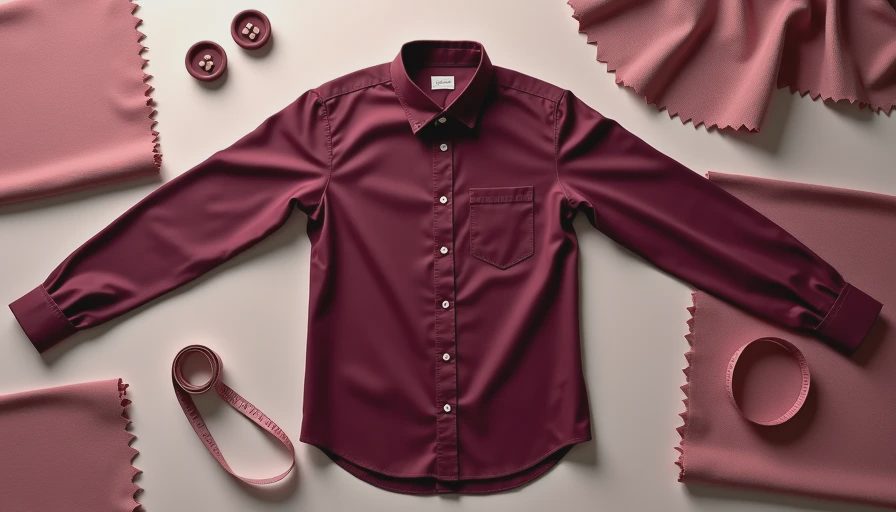
The last test is simple: wash it like a normal person and see what happens. Turn it inside out, use a mild detergent, and skip the hottest dryer setting unless you enjoy shrinkage and regret. Good shirts can wrinkle, but they should not come out looking defeated. If the collar warps, the body twists, or the whole shirt gets shorter after one cycle, that tells you a lot. A shirt that stays neat after washing will save you money because you will actually wear it instead of demoting it to yard work.
I also like to look at how the shirt ages after three or four wears. Does the collar still sit right? Do the cuffs stay clean? Does the fabric get softer without getting flimsy? That is the real-world version of oxford shirt quality, and it matters more than whatever looked impressive on day one. If you want a shirt that becomes part of your regular rotation, choose the one that feels solid, fits your frame, and still looks intentional after a long day. That is the shirt you reach for when you do not want to think about getting dressed. Fit first. The rest is noise.

No letters yet — pray write the first.