The first time I helped dress a man for a community theater production, he arrived wearing a perfectly decent navy suit and asked whether he needed something more theatrical. He did not need a louder costume. He needed the right silhouette, a shirt that fit through the neck, and shoes that looked like they belonged to the character. That is the heart of men's theater costume style: clothing should explain who the character is before he says a word.
I have spent years fitting men in ordinary clothes, then five seasons helping backstage at a community theater in Nashville. The same lesson shows up in both places. Fit first. The rest is noise. Whether you are playing a banker in 1985, a farmer in 1910, or a detective in a contemporary drama, the best costume usually begins with familiar pieces adjusted for time, job, age, and personality.
Start with the character, not the costume rack
Before buying anything, answer four practical questions. What year is the story set in? What does the character do for work? How much money does he have? What does he want other people to believe about him? A wealthy attorney, a tired mechanic, and a nervous groom can all wear a white shirt, but the fabric, fit, wear, and accessories should separate them.
For men's theater costume style, the period does not have to be perfectly museum-accurate unless the director specifically asks for that level of detail. The audience needs a clear visual signal. A narrow tie and high-waisted trousers suggest an earlier decade. A knit polo and pleated khakis can place a character in a later one. A worn belt, scuffed boots, or a cheap watch can tell the audience more than an expensive jacket.
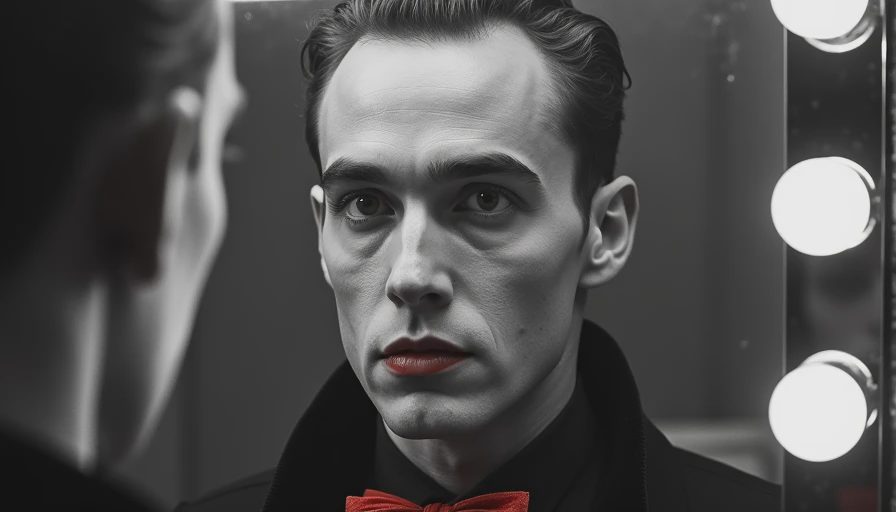
Write down the character's three strongest visual traits before shopping. Mine might read: careful, middle-class, trying to look successful. That points toward a clean but slightly conservative suit, polished shoes, and a tie that is just a little too ambitious. Clothing becomes useful when every choice supports the story.
Build the base with clothes men already own
A theater costume does not need to be made from theatrical clothing. Start with reliable basics: a white or light-blue oxford shirt, dark chinos, straight-leg jeans, a gray sport coat, a simple cardigan, or a plain button-front shirt. These pieces are easy to find at stores such as J.Crew, Uniqlo, Target, Lands' End, or a local thrift shop, and they photograph better than novelty costumes.
The key is combining pieces in a way that changes the character. A gray jacket with a pale shirt and loafers can suggest a mild-mannered office worker. Swap in a denim shirt, work boots, and a canvas belt, and the same jacket becomes part of a weekend rancher's wardrobe. Add suspenders and high-rise trousers, and you have a stronger period signal.
For men's theater costume style, avoid clothing that is too new unless the character is meant to be polished. A brand-new shirt with crisp packaging folds can make an actor look like he just left a department store. Wash, press, and gently wear the pieces before rehearsal. A few natural wrinkles are useful; deep artificial distressing usually looks like a Halloween prop.
Fit matters more under stage lights
Stage lighting exposes poor fit from the back row. A jacket that is too tight pulls into an X across the button. A shirt that is too large collapses at the neck and creates distracting folds under the chin. Trousers that puddle over shoes can make a serious character look accidental.
Start with the shoulders. A jacket seam should sit near the end of the shoulder, not halfway down the upper arm. The collar should rest against the shirt collar without a gap. Sleeves generally look cleaner when they show about a quarter-inch of shirt cuff. Those small details create a recognizable outline, especially when an actor is moving quickly or standing in a spotlight.
For men's theater costume style, do not chase a perfect retail fit if the costume needs to survive movement. Leave enough room to sit, reach, kneel, and change clothes quickly. A tailor can shorten sleeves or trousers for roughly $15 to $35 in many markets. That small alteration often improves a $60 thrifted jacket more than replacing it with a $200 jacket that still fits poorly.
Use color and texture to tell the story
Color should support the character without distracting from the scene. Dark navy, charcoal, brown, olive, and faded denim are dependable foundations. A burgundy tie, mustard sweater, or rust overshirt can give one character a visual signature without turning him into a walking traffic cone.
Texture is especially useful on stage. Wool-like flannel, corduroy, denim, canvas, and knitwear catch light differently and help an outfit read from a distance. A smooth black suit can look formal and severe. Add a textured gray vest, a softer shirt, or a slightly worn leather belt, and the same costume feels more lived in.
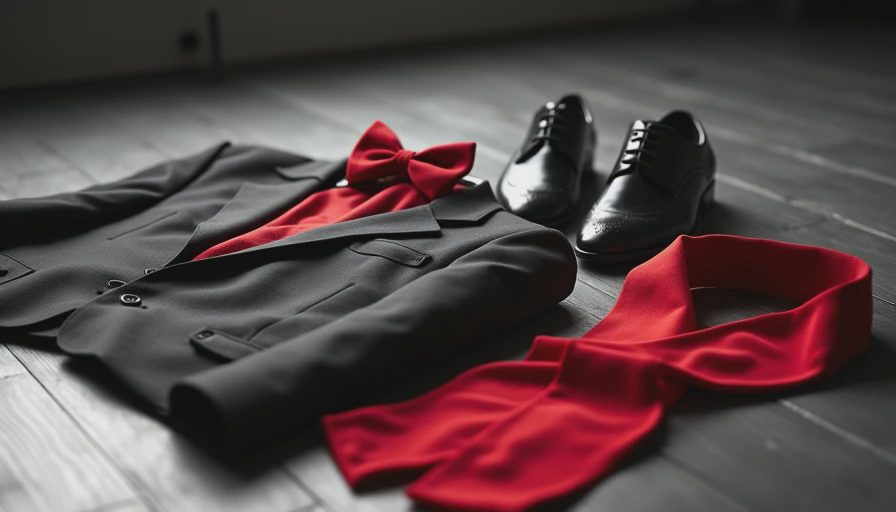
A simple rule I use backstage is to give the lead character one memorable item and keep the rest quiet. That item could be a red scarf, old field jacket, distinctive hat, or signet ring. The audience should notice it after noticing the actor, not before. Men's theater costume style works best when the clothes frame the performance rather than compete with it.
Choose shoes and accessories for movement
Shoes finish the character, but they also need to survive long rehearsals. Brown leather derbies, plain black oxfords, Chelsea boots, work boots, and clean canvas sneakers cover most productions. Avoid slippery soles when the actor crosses a polished stage, and break in new shoes well before opening night. Blisters are not a character-building exercise.
Accessories should answer a practical question. Why does this man wear a watch? Why does he carry a briefcase? Why is his belt plain instead of decorative? For men's theater costume style, one believable accessory is stronger than five random ones. A slim wallet chain, inexpensive watch, knit tie, reading glasses, or leather portfolio can establish a job and an era quickly.
Keep important props easy to handle. Bulky rings catch on pockets. Loose bracelets make noise. A long scarf can become a safety issue during fast movement. Test every accessory during blocking, not just in front of a mirror. If it distracts the actor, it will eventually distract the audience.
A simple shopping plan that saves money
Begin by checking the actor's closet, then ask other cast members, costume volunteers, and local thrift stores. Write down measurements before shopping: chest, sleeve, waist, inseam, neck, and shoe size. A jacket marked 42 regular is only a starting point because brands cut differently. Try it on over the actual shirt the actor will wear.
Set a budget by category. A convincing everyday costume can often be assembled for $75 to $150: $25 for a shirt, $35 for trousers, $40 for a jacket, and the remainder for a belt or shoes. Period pieces may cost more, but one good vintage jacket can do more work than several cheap accessories. Borrowing is sensible for items that appear in only one scene.
Photograph the outfit from the front, side, and back under rehearsal lighting. Check for visible tags, bright modern logos, phone bulges, and shirt hems that come untucked during movement. Men's theater costume style is not finished when the outfit looks good on a hanger. It is finished when the actor can move naturally and the audience understands the character.
Final backstage check
The night before the first full run, label every garment and hang each complete look together. Keep a small repair kit nearby with safety pins, matching thread, stain remover, fashion tape, and spare buttons. Steam clothing instead of ironing delicate vintage fabric, and test makeup or stage dirt on an inside seam first.
Then ask one honest question: if the actor stood silently for ten seconds, would we know something about him? If the answer is yes, the costume is doing its job. Good men's theater costume style is not about dressing like someone from a different world. It is about choosing ordinary clothes with enough accuracy, fit, and intention to make a fictional life feel real.




No letters yet — pray write the first.