After a decade in a Bonobos fitting room, I can tell you this: most guys don't need more clothes, they need clothes that fit. And nowhere is that more obvious than in the pants aisle. This men's pants fit guide is the one I wish I could hand every guy who walks in frustrated. It's not about chasing fashion. It's about knowing what to look for, measuring yourself, and walking out with a pair that actually works.
Why Most Guys Are Wearing the Wrong Pants
I've fitted over 5,000 men and can spot the problem from across the room. The waistband gapes at the back while the front pulls tight. The thighs strain like they're about to split. Or the hem drags and shreds in the parking lot. Here's what's actually happening: someone bought the wrong fit to solve the wrong problem. A guy with athletic thighs buys a relaxed cut for room in the leg, then cinches the waist to keep them up. A guy with a shorter torso buys a low rise because that's all the store carries, then spends the day hoisting his pants. If you've ever thought "pants just don't fit me," this men's pants fit guide is going to change your mind. The problem isn't your body, it's the pattern.
The Three Measurements That Matter
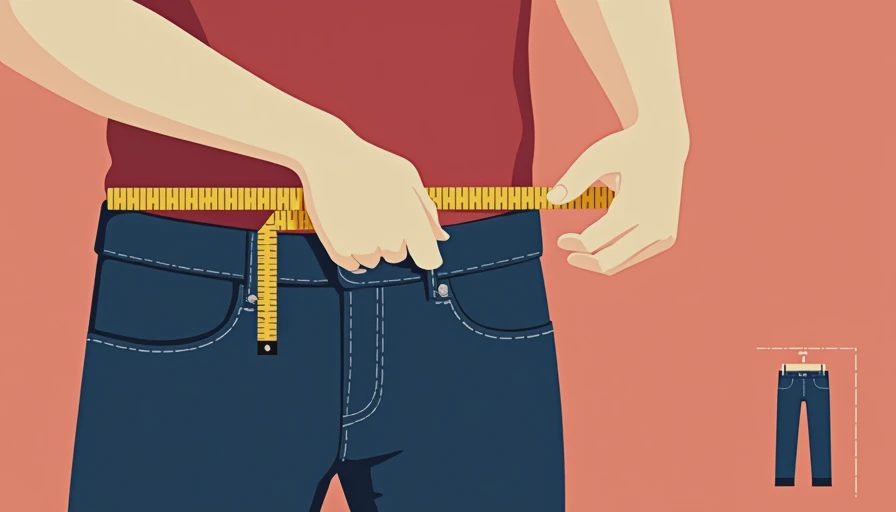
Forget the jacket-size guessing game. Pants come down to three numbers: waist, seat, and inseam. And you can't just read the tag. A 34 waist from one brand can feel tighter than a 33 from another. So measure yourself with a cloth tape. Wrap it around your waist where you like your pants to sit, usually about an inch below your belly button. For the seat, measure around the fullest part of your rear. For the inseam, measure from the crotch seam down the inside of your leg to your ankle. Write those numbers down and bring them with you. That way, when you're looking at Bonobos or J.Crew chinos, you know what to compare.
The Four Fits You're Actually Choosing Between
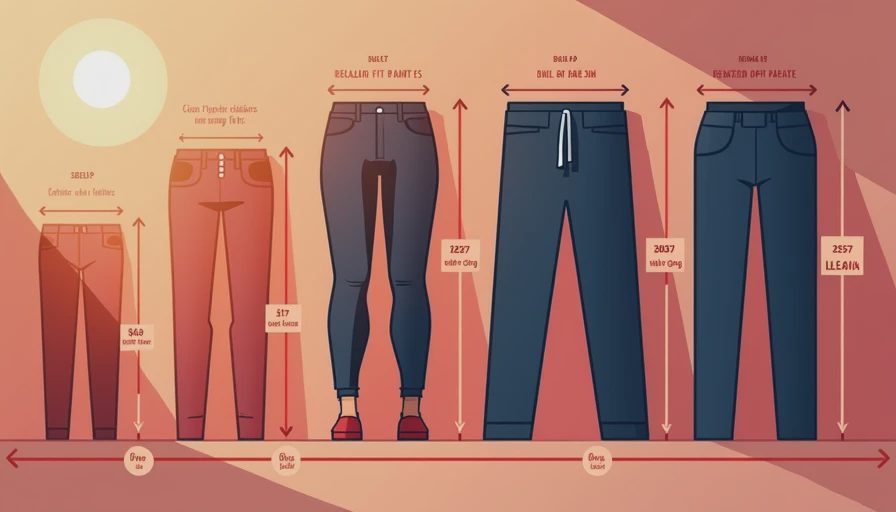
You don't need a style dictionary, just understand these four cuts. A slim fit hugs the seat and thigh, then tapers to the ankle. It's not skinny, and it works for most lean builds. An athletic fit gives you extra room in the thigh and glutes, then tapers below the knee. This is the one I recommend to guys who squat or play hockey, because it doesn't make your legs look like sausages. A straight fit stays the same width from waist to hem, giving you a classic, relaxed line. A relaxed fit adds room everywhere, which is comfortable but often too baggy for anything beyond lounging. In this men's pants fit guide, I'll tell you straight: if you're buying your first pair of proper trousers, start with athletic or straight, depending on your build.
How To Know What Fit Works For Your Body
Do you have bigger thighs and a smaller waist? Look for a taper and a rise that won't gap. Guys with a flatter rear should look for a curved waistband that follows your shape, because straight waistbands create that bowl of water in the lower back. Shorter guys should search for a 28 or 30 inseam and avoid cuffs that cut your legs off. Tall and lean? A slim or straight fit keeps you from looking like the pants are wearing you. The key is to try on at least three sizes in the same model, because your proportions don't match the stock photo. I've seen a guy go from "I hate shopping" to "wait, these feel great" just by moving up two inches in the waist and down one in the inseam.
The Two Shortest Fixes That Change Everything
You don't have to settle for a pair that's 90 percent right. The two alterations that matter most are hemming and taking in the waist. A good tailor can hem any pair of pants in 24 hours for $10 to $15, and a waist taper runs about $15 to $20. That's cheaper than buying a new pair, and it turns "pretty good" into "did you get those tailored?" If the pants fit well in the leg but not at the waist, that's fixable. If the fit is wrong in the thigh and seat, no tailor can save you.
Pants Brands Worth Your Money
You don't need to spend $200 to get a good fit, but you do need to know which brands cut for which bodies. Bonobos is still my benchmark because their athletic and slim fits are tested against real guys, and their size range spans from 28 to 40. Expect to pay $80 to $130 for chinos. J.Crew's straight fit is solid for slimmer frames, and their factory sales drop prices to around $40. If you want a classic durable jean, Levi's 512 and 541 fits are consistent and run $50 to $80. On a budget? Uniqlo's stretch denim is a safe bet at $40. Notice a pattern? Fit matters more than the logo.
A Simple Way To Test Any Pair In the Fitting Room
Here's the fitting room test. Put the pants on and move. Squat down, no strain across the thigh or a wedge in the back. Sit down, the waist shouldn't dig in. Look from the side, there shouldn't be a big dip in the crotch. Pills at the knee are normal, but if the fabric pulls into a sharp V at your fly, the rise is too short. Cuff or hem length? It should skim the top of your shoe with no puddling at the floor. If you follow this men's pants fit guide and still feel lost, take your measurements and stop by a store with a generous return policy. Fit first. The rest is noise.
No letters yet — pray write the first.