I spent ten years in a Bonobos fitting room measuring thousands of guys who walked in saying, "I hate jeans shopping." Almost every one of them was wearing the wrong size. This men's jeans fit guide is the crash course I wish I could hand every one of them before they grabbed the first dark wash off the rack.
A few weeks ago, a client came to my Nashville studio wearing jeans he'd owned for six years. He thought they were the only ones that fit. They didn't. The waistband was cinched with a belt, the thighs were painted on, and the hems were frayed from dragging under his shoes. I measured his actual waist, gave him a pair of Levi's 501s in a size he'd never grabbed. That was the fix. The problem was what the numbers on the tag actually mean.
Why the Right Fit Changes How You Look and Feel
Jeans are the hardest-working piece in your closet. They go to work, to the ballpark, to parent-teacher conferences. And when they fit wrong, they're all anyone sees. A saggy seat and a crumpled hem make a $200 pair of selvedge look like hand-me-downs. A pair that cuts into your waist makes a $40 pair look like you're wearing someone else's pants. Fit first. The rest is noise.
The men's jeans fit guide exists because men were never taught what a pair of jeans should do.
When I managed the Bonobos Guideshop, a customer told me he'd worn the same waist size since high school. He wasn't the same body, and neither are you. Your size changes. That's not a moral failure. It's just a measurement. Accept it and you can shop.
The Three Numbers That Actually Matter
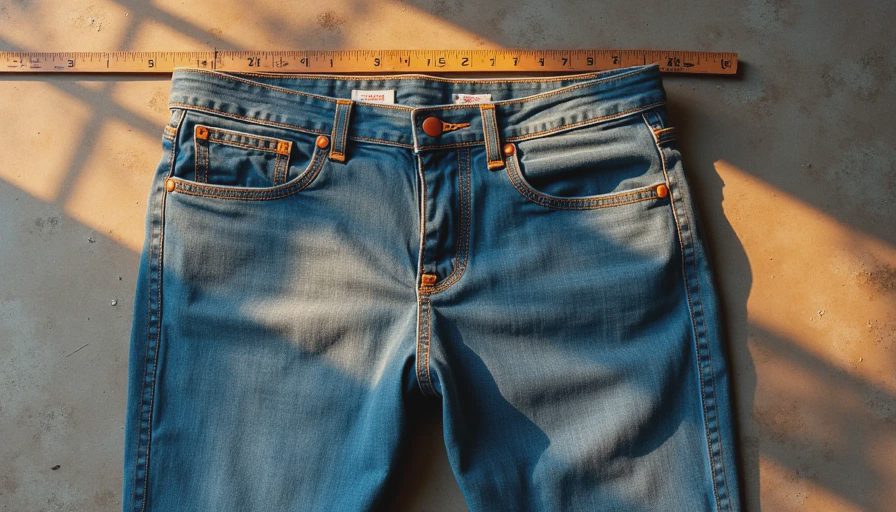
When you pick up a pair of jeans, ignore the marketing. Look at the rise, the thigh, and the taper. The rise is the distance from the crotch to the waistband. It decides whether jeans sit at your hips or belly. The thigh is the width around your upper leg. If it's too tight, the whole pair is unwearable, no matter how good the wash is. The taper is the leg's narrowing from knee to ankle. Get those three right, and everything else is negotiable.
Most guys have one number they've memorized: the waist. And that's the least reliable number on the tag. In the last ten years, the average denim waistband has grown a full two inches for the same labeled size. That's not you. That's the industry. So before you buy, measure the waist of a pair that already fits you well, lay it flat, and double the number. That's the real waist.
Matching the Cut to Your Body Type
A straight-leg cut is not a skinny cut. A slim-taper is not a skinny. Words matter. If you've got bigger thighs — from squats, cycling, or just built that way — look for an athletic taper or straight cut with room in the thigh and a slight taper below the knee. Bonobos makes their Athletic Fit for exactly this. If you're thin through the leg, a slim straight works. If you carry weight around the middle, a mid-rise or high-rise keeps the waistband above your hips instead of digging in.
The biggest mistake I see? Men who size down to avoid a saggy rear end, then spend all day in denim that's too tight in the crotch. That's not a fit, that's a punishment. The jeans you buy should feel comfortable when you sit down, bend over, and walk a flight of stairs. If you're adjusting them constantly, they're the wrong pair.
A 60-Second Fit Checklist You Can Use in the Dressing Room
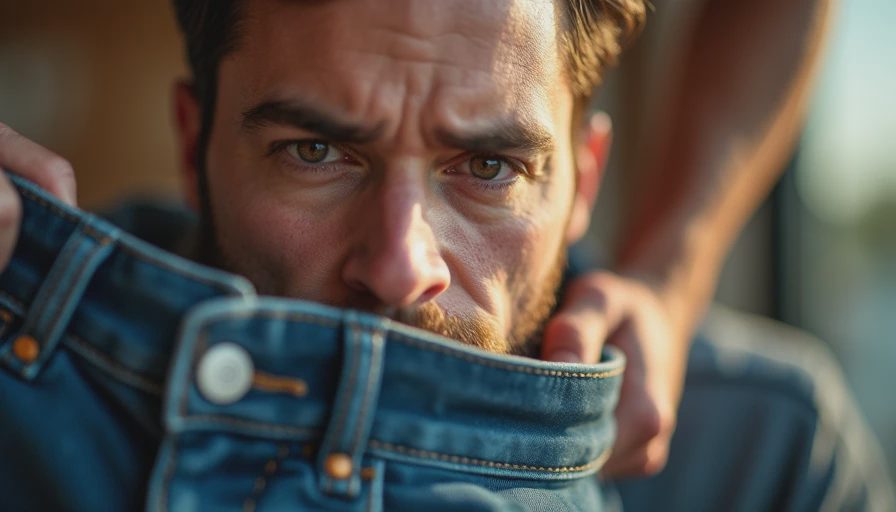
Use this men's jeans fit guide on your next trip. You need twenty seconds, not a flattering mirror. First, button the top button without sucking in. If it pulls, go up a size. Second, sit down in the dressing room. The waistband should not dig in or gap at the back. Third, check the hem. It should hit the top of your shoes with no more than one break above the stack. Fourth, pinch an inch of fabric at the thigh. If you can't, they're too tight. If you can grab two inches, they're too loose.
This sounds basic, but I've watched grown men skip every one of these steps because they were embarrassed to sit down in the dressing room. Don't be. No one sees you. That chair has seen worse. A good pair of jeans passes all four checks without anyone doing a squat.
Why Stretch Changes the Whole Equation
If you've avoided stretch denim because you think it's not "real" denim, let go of that. Modern stretch jeans hold their shape far better than the old ones did. A 2% elastane blend won't bag out at the knees by noon. It will feel like you're wearing sweatpants, but you'll look dressed. My default recommendation for most guys is a mid-rise, regular-taper, stretch denim pair in a dark indigo. It works for date night and for building a deck.
As for price, you don't need to spend $200 to get a good fit. At $60 to $120, you can find solid stretch denim from Levi's, Wrangler, or even Target's Goodfellow line. At $150 and up, you're paying for cleaner details, heavier fabric, and stitching that will last five years. Over $200, you're buying a label. The fit is the same. Put the money you save toward a good tailor.
Fit First, the Rest Is Noise
That's the whole men's jeans fit guide, honestly. You can read a hundred blogs, but the only way to know what works is to spend ten minutes in a dressing room with the four checks I gave you. Find one pair that fits, buy the same cut in two colors, and move on with your life. Your time is worth more than a denim rabbit hole.

No letters yet — pray write the first.