I spent ten years in a Bonobos fitting room, and the question I heard most wasn't about lapels or fabric. It was "does this actually fit?" Guys would stand in front of the mirror, shrug, and hope for the best. So consider this the men's blazer fit guide I wished I could hand every one of them before they spent a paycheck on a jacket. Fit first. The rest is noise.
A blazer is not a suit coat, and it's not a sport coat. A blazer is the most useful piece in a man's closet if it fits. If it doesn't, no amount of tailoring can rescue a jacket that's already wrong in the shoulders. So let's walk through the four places I check on every man I fit.
Where Most Blazers Go Wrong
Most guys buy a blazer one size too big. They think that's safer. It's not. A boxy jacket makes you look like you borrowed it from an older brother. The opposite problem, skin-tight, is just as common because some brands cut small. I've seen maybe a thousand guys squeeze into a size 40 when they needed a 42, then complain the jacket was too short.
Here's what's actually happening with that blazer: the shoulders are doing all the work. Everything else can be adjusted. Sleeves can be shortened. The waist can be let out or taken in. But a shoulder seam that falls off your shoulder bone? That's a $300 mistake. Start there.

Shoulders: The Make-or-Break Measurement
The shoulder seam is where this men's blazer fit guide starts. It should sit exactly at the edge of your shoulder bone, where your arm meets your shoulder. Not on the upper arm, and not creeping toward your neck. Run your index finger along the seam. If the bone is clearly outside the seam, the jacket is too big. If you feel strain when you reach forward, it's too small.
I can estimate a man's jacket size from across a room within one size, but you don't need that skill. Stand relaxed with your arms down. Look in the mirror. The seam should line up with the outer edge of your shoulder, no more than half an inch of padding past it. If you're between sizes, always go with the larger shoulder measurement. Tailors can take the body in. They can't add fabric to a shoulder.
Chest and Waist: The Two-Button Rule
Next in this men's blazer fit guide is the chest. Button the middle button, or the top button on a two-button blazer—there should be one. Then slide your hand under the jacket at your chest. You want just enough room for a closed fist, not a full spread. If the lapels bow and create a gap around the button, the jacket is pulling. That means the chest is too tight.
The waist is where the magic happens. A proper blazer nips in slightly, but not like a corset. You should be able to pinch an inch of fabric on each side when it's buttoned. If it hangs straight down like a cardboard box, the waist is too loose. If the fabric pulls at the sides when you lift your arms, it's too tight. In the fitting room, I'd tell guys to move, not stand still. Sit down, reach for something, give someone a hug. The jacket should move with you, not fight you.
Sleeves and Jacket Length
Sleeve length is the easiest tell. With your arms relaxed, the jacket sleeve should end at the hinge of your wrist, showing about a quarter to half an inch of shirt cuff. Not more, not less. If your dress shirt disappears entirely, the sleeve is too long. If you look like you're ready for a fistfight, it's too short. I've had tailors shorten sleeves for $15 to $25. Don't skip this fix.
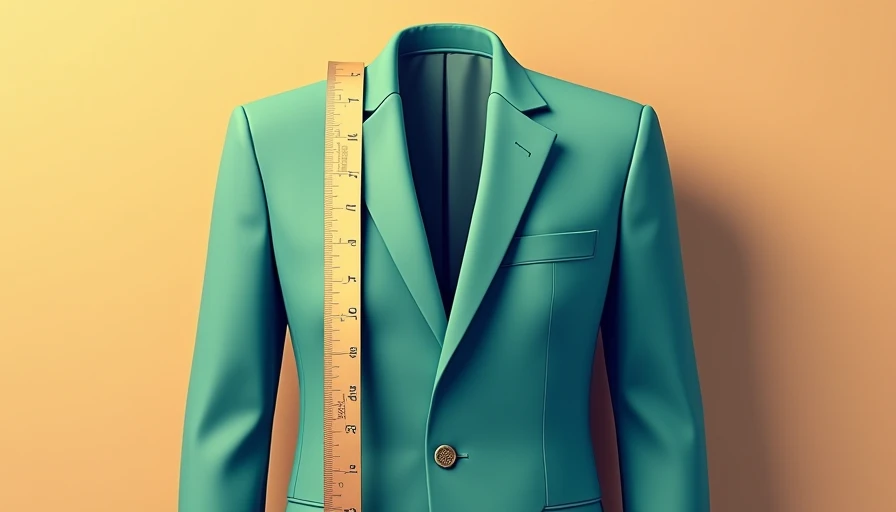
Jacket length is the one most guys get wrong. The classic rule: the bottom of the blazer should cover your rear end, ending around the middle of your hand when your arms are down. If you hold the lapels and the jacket flares out, it's too short. A blazer that's too short makes you look top-heavy. One that's too long makes you look like you're wearing your dad's suit.
How to Tell a $200 Blazer From a $600 Blazer
You don't need to spend $600 for a blazer that fits, but look at three things: fabric, lining, and buttons. A polyester-blend blazer under $100 often feels stiff and wears out after a dozen cleanings. A wool or wool-blend from J.Crew, Suitsupply, or Bonobos usually costs $150 to $350 and drapes better. Check the lining. If it's cheap nylon and slips off your shoulders when you take the jacket off, that's a sign.
Fused canvas versus half-canvas construction matters more than the brand label. A fused jacket uses glue to hold the front together; it can bubble after dry cleaning. A half-canvas jacket has a layer of horsehair canvas in the chest, so it molds to your body over time. You'll find half-canvas at Suitsupply and Spier & Mackay around $300. That's where the smart money goes.
Quick Checklist Before You Buy
Before you hand over a card, run this checklist. Shoulders: seam lines up with the shoulder bone. Chest: closed fist fits between the jacket and shirt. Waist: pinch an inch of fabric at each side. Sleeves: a sliver of shirt cuff shows. Length: jacket covers your rear and ends around mid-hand. Hit all five? Buy it. Hit four? Buy it and budget $40 to $75 for a tailor.
The men's blazer fit guide only works if you actually try the jacket on and move in it. Order two sizes when unsure and send one back. That's not a hassle, that's smart shopping. Get the fit right, and you'll reach for that blazer more than anything else in your closet.

No letters yet — pray write the first.