A men's basic wardrobe should make getting dressed boring in the best way. In the fitting room, I saw the same pattern over and over: a closet full of clothes, but nothing that worked together or fit the body in front of me. The fix was rarely more shopping. It was fewer pieces, better fit, and a cleaner plan.
If you are busy, tired, or allergic to mall wandering, this is the right place to start. You do not need a style reinvention. You need a short list of clothes that can handle work, school pickup, dinner, and a Saturday with errands.
Build a men's basic wardrobe around fit
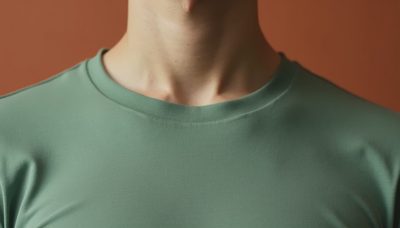
The reason a men's basic wardrobe works is simple: clothes that fit do more than expensive clothes that do not. I have seen $45 shirts beat $145 shirts because the shoulder seam landed where it should and the torso skimmed the body instead of ballooning out. Start there. A T-shirt should follow the chest without clinging. Jeans should sit on the waist without a belt doing all the work. Sleeves should end at the wrist bone, not hide the hand.
If you change one thing, change the length. Most men do not need a smaller size. They need a hem, a sleeve adjustment, or a better cut through the thigh. A tailor will usually hem pants for $15 to $25 and shorten sleeves for not much more. That is cheaper than buying new clothes that still fit wrong. I have seen this on about 500 guys, and the fix is almost always the same: stop fighting the body and start matching the body.
The seven pieces that cover most weeks
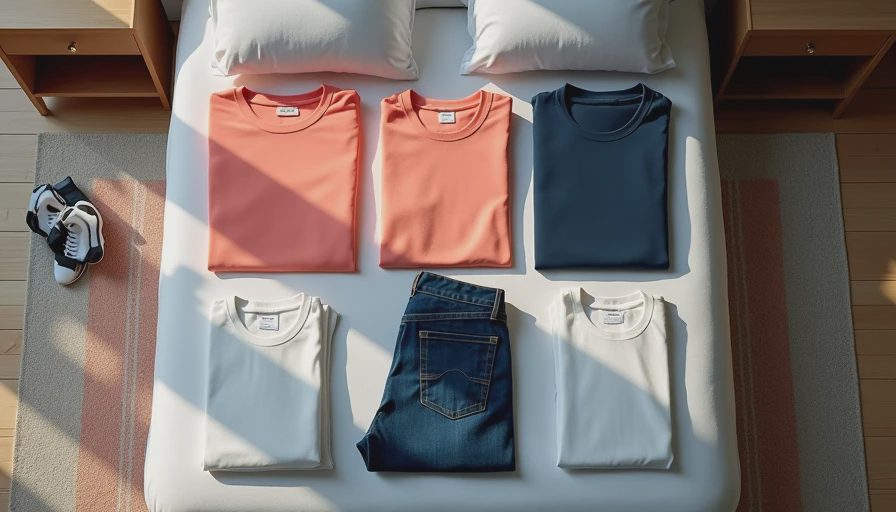
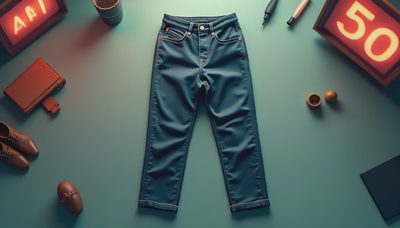
When I strip a closet down to the useful stuff, the list is not dramatic. It usually starts with well-fitting T-shirts in white, gray, and navy, a couple of Oxford cloth button-downs, dark jeans without loud distressing, chinos in khaki or olive, one casual jacket, one pair of clean sneakers, and one pair of leather shoes or boots. That is the skeleton that gets a guy from office to weekend without making him think too hard.
Brand-wise, you can do this without spending designer money. Uniqlo tees are often a solid place to start. J.Crew, Bonobos, and Banana Republic tend to be dependable for shirts and chinos if the cut suits your build. Levi's still makes jeans that work for a lot of bodies, especially if you know your rise and inseam. The label matters less than the fit and fabric. If the shoulder is right and the seat is clean, you are already ahead of most shoppers.
Color and fabric choices that make mornings easier
A men's basic wardrobe gets easier when the colors talk to each other. Navy, white, gray, light blue, olive, and dark denim do most of the heavy lifting here. They mix without drama. If your closet is full of bright colors you like in the store but never wear at 7:10 a.m., that is useful information. Keep the louder pieces for the few days they actually earn a spot.
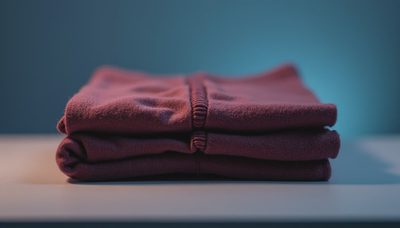
Fabric matters just as much. Cotton tees feel easy and breathable. Oxford cloth has enough texture to look intentional even when the shirt is simple. Merino wool is worth the money for sweaters because it layers cleanly and does not get sweaty and heavy the way cheaper knits do. For jackets, canvas, denim, and midweight twill age better than shiny polyester. Here in Nashville, where the weather can swing from muggy to chilly in the same week, that flexibility matters. A closet built on these fabrics works from March humidity to a cold November football game.
How to buy a men's basic wardrobe without overspending
If you are building this from scratch, do not buy everything in one frantic Saturday. Start with the pieces that touch your skin the most, because fit errors show up fastest there. Tees, jeans, and shirts come first. Outerwear comes later. Shoes are worth spending a little more on because bad shoes get noticed and worn out fast. A decent pair of leather sneakers or boots in the $100 to $200 range usually pays for itself in comfort and longevity.
Online can work, but only if you know your measurements. If you do not, order two sizes and return one. Stores like Bonobos, J.Crew, and Uniqlo are helpful because they usually offer a few cuts, not just one. If your shoulders are broad or your waist is smaller than your chest, that difference matters. I have seen guys look like a different person after one size change and a $20 hem. That is the cheapest makeover in menswear.
Mistakes I see in the fitting room
The biggest mistake is buying for the hanger instead of the body. The second is chasing slim fits so hard that the shirt pulls across the stomach or the pants turn into spray paint. Neither problem makes you look sharper. They just make the clothes look small. Another common miss is too much black. Black is fine, but on most men it can flatten everything and make the outfit feel a little harsh.
A lot of guys also wait too long to get things altered. They will wear jeans with too much hem and say they are not sure about tailoring. The truth is that an unaltered fit is already a choice. The same goes for collars that gap, sleeves that cover the hands, and jackets that pinch when you reach for your coffee. If the garment is fighting your body, it is not doing its job.
A simple weekly rotation that actually gets worn
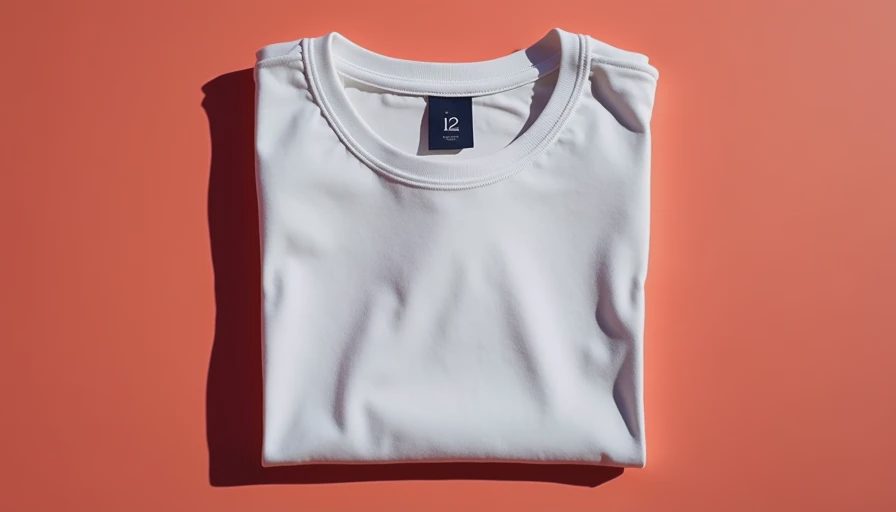
Here is the part most men want: a way to use the clothes without overthinking them. Monday can be a white tee, dark jeans, and clean sneakers. Tuesday can be an Oxford shirt, chinos, and leather shoes. Wednesday can be a gray tee under a casual jacket with the same jeans from Monday. Thursday can be a merino sweater or knit polo if the office is cool. Friday can be the easiest version of all, because nothing good comes from trying to look like a new person when you already spent the week being one.
The goal is not variety for its own sake. It is repeatable outfits that still look intentional. If you get the fit right and keep the palette tight, getting dressed turns into a five-minute decision instead of a daily argument. That is why a men's basic wardrobe beats a closet full of maybe someday pieces. Once a men's basic wardrobe fits, it becomes the part of your day you stop thinking about, which is exactly the point. Fit first. The rest is noise.
No letters yet — pray write the first.