Cost per wear men's clothing is the easiest way I know to explain why one $120 jacket can be a better buy than three $40 ones that never quite fit right. I started using that idea in the fitting room at Bonobos because guys would walk in with closets full of almost-right clothes and still feel like they had nothing to wear. The trick is not buying more. The trick is buying pieces you will actually reach for on a Tuesday morning without a pep talk. Fit first. The rest is noise.
When a shirt fits your shoulders, skims your middle, and works with the pants you already own, it starts paying rent fast. When it pulls at the buttons or collapses after two washes, it becomes expensive even if the tag was friendly. That is why cost per wear men's clothing makes sense for regular guys who are tired of wasting money on clothing that lives in the back of the closet.
What cost per wear actually means
The math is simple: take what you paid and divide it by how many times you wear it. A $90 pair of jeans worn 90 times costs you about a buck a wear. A $45 pair that you wear nine times before the knees sag and the thighs twist is really costing five bucks a wear, and that is before you count the annoyance of dealing with them every morning. I have seen this play out on hundreds of men. The cheap thing is not always cheap.
The useful part is that it shifts your attention away from sticker shock and toward usefulness. A wool sweater from J.Crew, a sturdy Oxford from Bonobos, or a well-cut pair of Levi's can look pricey on the rack and still beat bargain-bin basics in the long run if you wear them often enough. That does not mean you need designer everything. It means the clothes that match your actual life should get a fair test.
The shirts, jeans, and jackets that earn their keep
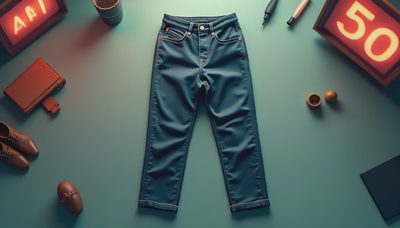
For most guys, shirts and pants are where the numbers get interesting. A good white T-shirt at $25 that holds its shape through 40 or 50 wears is a better buy than a $12 shirt that turns gray, shrinks, or twists after a few cycles in the dryer. Same idea with denim. If you wear jeans twice a week, a $100 pair that lasts three years can be a strong buy, especially if the rise and thigh fit your body from day one. That fit matters more than almost anything else.
Jackets are where cost per wear men's clothing really starts to shine. A $200 chore jacket or field jacket worn through fall, winter, and early spring can get you through years of school drop-offs, office days, and weekend errands. I am talking about the kind of layer you grab without thinking. If you have to force yourself into it, you will not wear it enough to make the math work.

Where guys waste money without noticing
The biggest leak is buying the same category over and over because the first version was wrong. A guy buys three slim dress shirts because the first one gapes at the stomach. He buys two more pairs of cheap chinos because the rise feels off. He buys discount dress shoes because the nicer pair seems too expensive, then replaces the cheap pair a year later after the soles crack. That is not thrift. That is a subscription to disappointment.
I have seen plenty of men spend $300 in small chunks and end up with nothing they trust, then pass on a $150 item that would have solved the problem for years. That is where cost per wear men's clothing becomes useful again. It gives you permission to spend more when the item has a real job to do. If you live in your flannels from October through March, a $78 shirt from Taylor Stitch can be a smarter buy than a stack of $29 versions that lose their shape by Thanksgiving.
A simple way to use the math before you buy
Before you check out, ask yourself how many times you will realistically wear the item in the next year. Not your fantasy life. Your actual one. If you are a dad in Nashville with a Monday through Friday job, a kid who needs a ride to soccer, and maybe one nice dinner a month, then a shirt you can wear 20 times a year is doing real work. A pair of shoes you wear three times a week is even better.
I tell clients to think in seasons, not shopping moods. If a sweater costs $110 and you wear it 25 times from November to February, you are at under five dollars a wear before it even sees next winter. That is solid. If a trendy jacket costs the same but only gets pulled out twice, it was a purchase for a version of you that does not exist. Cost per wear men's clothing keeps you honest about that gap between who you imagine yourself being and who you actually are.

What I tell men to spend more on, and where to save
Spend more on the things that are hard to fake: outerwear, shoes, jeans, and the few shirts that sit closest to your face and shoulders. Those pieces carry the whole outfit, so better fabric and better fit show up fast. Save on socks, undershirts, gym clothes, and the T-shirts you beat up on Saturday. Nobody needs a luxury hoodie to take the trash out.
If you want a practical rule, keep it simple. Buy the nicer version when it fixes a fit problem, replaces something you wear weekly, or solves a gap in your closet. Skip the upgrade when you are just chasing a label or trying to feel productive in a mall. That is how a closet fills up without actually getting better.
The men I help usually do best when they stop chasing deals and start chasing wear. Once you look at cost per wear men's clothing that way, you notice how many of your old purchases were really expensive mistakes in disguise. Buy fewer things. Make them fit. Wear them hard. That is the whole game.


No letters yet — pray write the first.