Why Price Doesn't Always Tell the Full Story
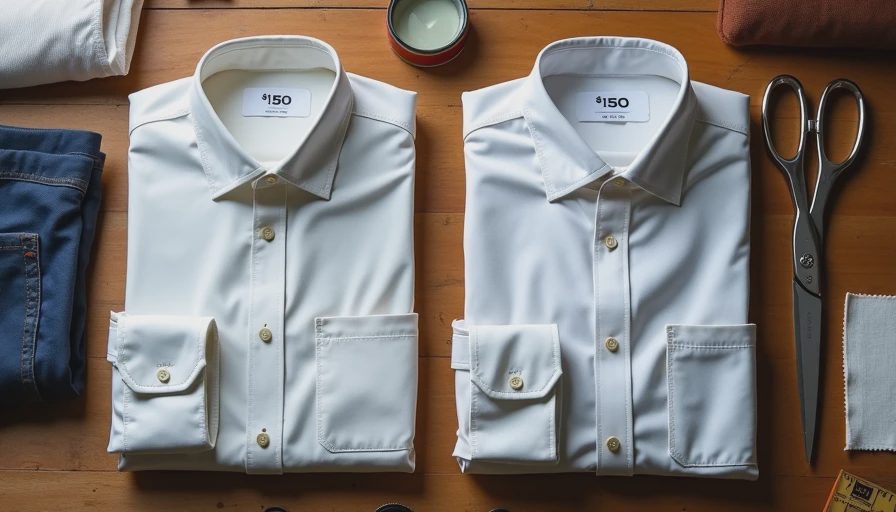
I’ve stood in that fitting room more times than I can count, watching guys stare at price tags like they’re making a down payment on a house. “Is this $150 shirt really three times better than the $50 one?” The honest answer is… sometimes. But most of the time? Not even close.
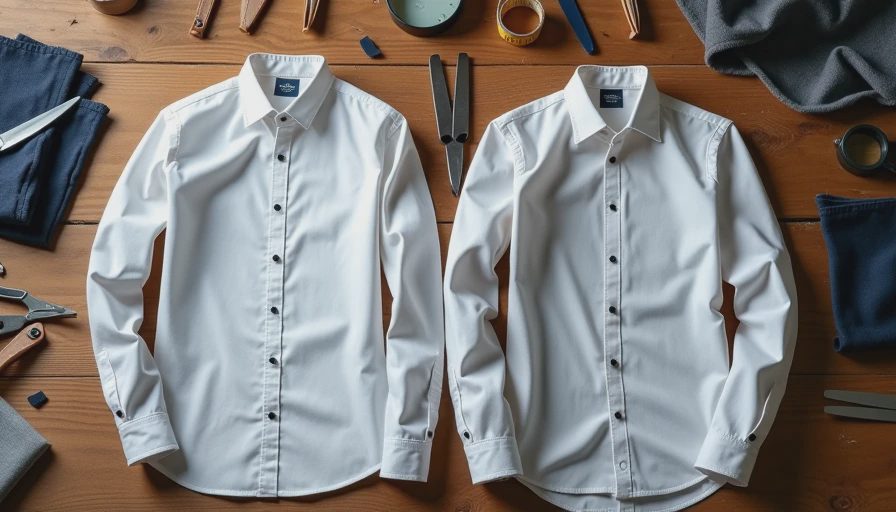
After ten years at Bonobos helping thousands of regular guys navigate these decisions, I got tired of the guesswork. So I did what any self-respecting former Guideshop manager would do: I bought one budget oxford and one premium oxford, laid them out on my workbench, and cut them both open. No cherry-picking, no styling tricks. Just raw construction.
Here’s what I found, why it matters for your actual body, and how to make smarter buys without overspending.
The Setup: Two Shirts, Same Mission
I picked two classic white oxford cloth button-downs in the same size (16.5 neck, 34/35 sleeve — a common fit for many of the guys I’ve measured).
The $50 Option: A solid workhorse from a well-known mid-tier retailer. Looks decent on the rack.
The $150 Option: From a brand that positions itself as higher quality with better materials and tailoring.
Both were new, washed once on gentle cycle to simulate real life, then dissected. Let’s get into the details.
What the Scissors Revealed
Fabric and Weave
The $50 shirt uses a respectable oxford weave, but the yarns are thinner and the thread count lower. After one wash, you could already see slight pilling starting on the cuffs. The fabric feels crisp initially but breaks down faster under sweat and movement.
The $150 shirt? Noticeably denser weave with thicker, more substantial yarns. It has that signature oxford texture that gets softer with wear instead of falling apart. Under magnification (yes, I pulled out a little loupe from my old toolkit), the higher-quality fibers show tighter interlocking. This translates to better breathability in Nashville heat and fewer wrinkles after a long day.
Fit-First Lesson: A heavier, tighter weave holds its shape better across different body types. If you’ve got broader shoulders or carry weight in the middle, that structure prevents the shirt from pulling or billowing awkwardly.
Construction and Stitching
This is where the real difference showed up.
The budget shirt uses single-needle stitching in some places but skips it in others. The side seams are basic, and the collar has a lightweight fusible interlining that started to bubble slightly after washing. Buttons are sewn on loosely — I could tug one and feel it shift.
The premium shirt features full single-needle stitching throughout, reinforced side seams, and a higher-quality fused (but still flexible) collar that maintains shape. The buttons are thicker mother-of-pearl with a more secure shank. The placket lies flatter, and the hem has a clean split-tail design that actually stays tucked when you move.
I’ve seen this play out in real life hundreds of times. A guy with a bigger chest or athletic build will split seams on cheap construction after a few months of normal wear. The $150 version just lasts.
Collar and Cuffs: Where Fit Lives or Dies
The $50 collar was stiffer and tended to flare out at the points. On a guy with a thicker neck, it would gap or pinch. The $150 collar rolls naturally and sits properly against the neck — that subtle curve makes all the difference in comfort and appearance.
Same with cuffs. The cheaper ones felt bulky when buttoned; the premium ones contour better to the wrist without excess fabric.
Real-World Wear Test: One Week Each
I wore each shirt for three full days (office, errands, backyard pizza oven duty) and had Brooke give me her unfiltered feedback.
The $50 Shirt:
Looked sharp on day one.
By day three: noticeable wrinkles, slight yellowing under the arms, collar starting to lose shape.
Verdict: Perfectly fine for occasional wear or as a backup. But it won’t be your daily driver for long.
The $150 Shirt:
Still looked fresh after multiple wears and washes.
Better moisture management — less visible sweat marks.
Maintained a cleaner silhouette even after I was chasing Lila around the yard.
Verdict: Worth the investment if you wear oxfords regularly.
How to Decide What’s Worth It for You
Here’s my no-BS decision framework after measuring 5,000+ guys and dissecting these shirts:
How Often Do You Wear Dress Shirts? If it’s 2-3 times a week, lean toward the better construction. The cost-per-wear drops dramatically. If it’s once a month, the $50 version is plenty.
Your Body Type Matters More Than Price Big shoulders? Look for reinforced seams and proper yoke construction. Longer torso? Pay attention to hem length and tuckability. The $150 shirt accommodated these variations better straight out of the package.
Smart Buying Hacks
Buy the $50 version in multiple colors for casual rotation.
Invest in one or two $150-level shirts for higher-stakes days.
Check sales. I’ve seen excellent oxfords drop 30-40% during end-of-season events.
Always try on in person when possible. Online size guides lie — we all know it.
Signature Move: Use the 30-second mirror test. Raise your arms, sit down, reach for something. If it pulls, gaps, or bunches, keep looking.
What I’d Buy Right Now (and What I’d Skip)
From my current rotation:
I still reach for a couple of mid-tier oxfords for everyday Nashville life.
The premium ones get saved for client meetings or nights out.
I’ve found a sweet spot brand that sits around $80-90 with construction closer to the $150 shirt. That’s often the smartest money in my book.
Avoid anything that feels paper-thin or has zero stretch in the shoulders. Those are the ones that end up in the donation pile after one season.
The Bigger Lesson: Value Over Vanity
At the end of the day, clothes are tools that should serve your life — not the other way around. Whether you’re a dad in East Nashville, a guy heading to the Ryman, or just trying to look decent for parent-teacher night, the right oxford is the one that fits you and holds up to real life.
I cut those shirts open so you don’t have to waste money on guesswork. Fit first. The rest — including fancy price tags — is mostly noise.
Next time you’re staring at two similar-looking oxfords, remember the seams, the weave, and how they’ll actually feel on your body after a long, sweaty Nashville day. That’s the kind of smart buy that pays off.




No letters yet — pray write the first.