A few years ago, a guy came into the Bonobos Guideshop before a family dinner. He had a closet full of clothes and still wore the same stretched T-shirt every Saturday. The problem was not effort. It was that nothing fit the way he needed it to. We built three outfits around his actual week, and he left in less than an hour. That is the useful part of mens casual wear styles: not collecting more clothes, but making the clothes you own work harder.
I spent 10 years fitting more than 5,000 men, and I saw the same pattern repeatedly. Men bought interesting pieces before they owned dependable basics. They chose a shirt by the hanger, then blamed their body when the shoulders pulled or the hem ballooned. Fit first. The rest is noise.
Start With the Fit, Not the Outfit
The best mens casual wear styles begin with a shirt and pants that sit correctly. For an overshirt, the shoulder seam should land close to the end of your shoulder, not halfway down your upper arm. You should be able to button it over a T-shirt without the fabric straining across your chest. If you cannot raise your arms comfortably, the shirt is too narrow, regardless of what the tag says.
For T-shirts, look at the sleeve and hem. A sleeve ending around the middle of your upper arm usually looks intentional without feeling tight. The hem should reach your hips and stay there when you bend over. A $25 Uniqlo or J.Crew Factory T-shirt with the right proportions will look better than a $90 shirt that hangs like a tent.
Pants need the same practical attention. Straight or athletic-tapered jeans generally give more room through the seat and thigh while avoiding a sloppy leg. Try Levi's 502, Bonobos Athletic, or Gap's athletic taper if standard jeans pinch when you sit. The waist should stay in place without a belt doing all the work. A little break above the shoe is fine; a pile of denim around the ankle is not.
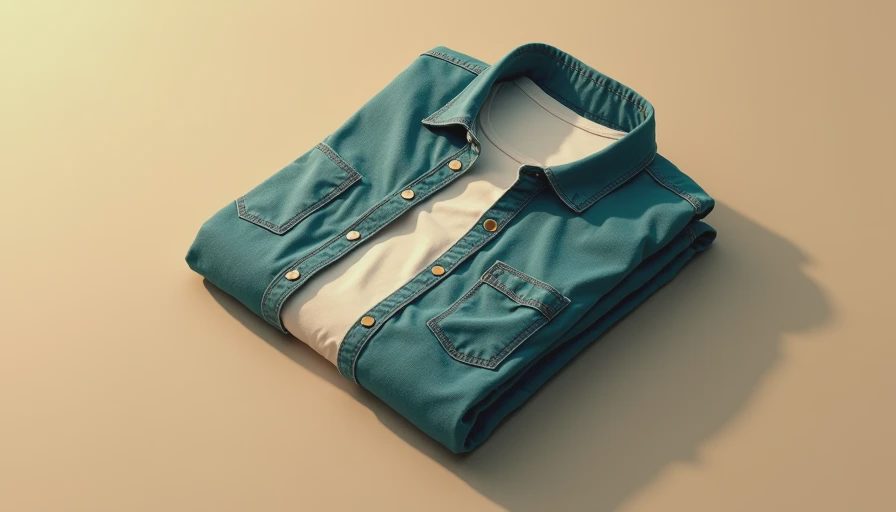
Build Three Reliable Outfit Formulas
The easiest mens casual wear styles are repeatable formulas. You do not need a new idea every morning; you need combinations that survive school drop-off, a coffee meeting, and dinner.
The first formula is a clean T-shirt, dark jeans, and casual sneakers. Choose a solid shirt in navy, gray, olive, or cream. Pair it with dark indigo denim and low-profile sneakers from New Balance, Adidas, or Thursday Boot Company. This works because the colors are quiet and the silhouette is clean. Add a chore jacket or lightweight bomber when the temperature drops.
The second formula uses an Oxford shirt, five-pocket pants, and leather sneakers or chukkas. A white, blue, or small-pattern Oxford from Lands' End, Uniqlo, or J.Crew can handle a casual office and a restaurant. Roll the sleeves once or twice, but do not push them into tight ropes around your elbows. Olive, navy, or tan five-pocket pants add enough contrast without looking like you are trying to coordinate a catalog page.
The third formula is a knit polo, chinos, and loafers or simple sneakers. This is useful when a T-shirt feels too relaxed but a dress shirt feels like overkill. Banana Republic Factory and Mizzen+Main offer accessible versions at different price points. The collar gives your upper body structure, while the knit fabric keeps the outfit comfortable in Nashville heat.
Use Color Without Making It Complicated
Many mens casual wear styles look polished because they limit the number of colors, not because the clothes are expensive. Start with a base of navy, charcoal, white, gray, olive, and tan. These shades cooperate like adults at a neighborhood cookout.
A simple rule is to use one dark piece, one lighter piece, and one middle tone. Try a charcoal T-shirt, medium-blue jeans, and white sneakers. Or wear an oatmeal henley with olive pants and brown boots. The contrast gives the outfit shape, while the restrained palette keeps it easy to wear.
If you like color, place it in one item. A rust overshirt, burgundy beanie, or faded green sweatshirt can add personality without forcing you to rethink the entire closet. Avoid buying a loud item that only works with one pair of pants. If you cannot name at least three combinations before purchasing it, let it stay on the rack.
Choose Better Layers for Real Weather
Layering is where mens casual wear styles become useful instead of merely presentable. A lightweight jacket can fix an outfit, handle changing temperatures, and make basic pieces look deliberate. The best options include a cotton overshirt, unstructured chore coat, denim jacket, field jacket, or nylon bomber.
Pay attention to length. A jacket should usually cover the waistband of your pants, but it should not fall dramatically below your seat. Shorter men often look better in a jacket that ends around the hip because it keeps the legs from appearing shortened. Taller or broader men may prefer a little more length and room through the chest.
For colder months, try a flannel shirt under a quilted vest, or a crewneck sweater over an Oxford. A merino sweater from Uniqlo can cost around $50 to $80 and layer more cleanly than a bulky cotton sweatshirt. In warmer months, linen-cotton shirts and unlined cotton jackets breathe better than heavy polyester. Clothes should help you move, not turn a June errand into a personal sauna.

Shop by Gaps, Not by Boredom
Before buying another shirt, look at your last seven days. If you wore jeans five times, the missing item may be a second pair of pants rather than another graphic tee. If you avoided a jacket because it felt restrictive, the solution may be a larger size or a different cut, not a new wardrobe philosophy.
A practical starter rotation could include two well-fitting T-shirts, one polo, two Oxfords, one overshirt, dark jeans, olive five-pocket pants, navy chinos, white sneakers, brown casual boots, and a belt that matches the boots. Depending on the brand and sale timing, that collection can cost roughly $400 to $700. Spread the purchases across a few months and prioritize fit over labels.
When comparing mens casual wear styles, take photos from the front and side. Check whether the shirt pulls at the buttons, whether the pants collapse under the seat, and whether the jacket sleeves cover your hands. These are easier to see in a photo than in a rushed mirror glance. If a tailor can fix the issue for $15 to $40, that is often smarter than replacing a $90 garment.
A Five-Minute Morning System
The most dependable mens casual wear styles support a simple morning process. First, check the weather and your calendar. Second, choose the least formal item required for the day. Third, add one layer or accessory that gives the outfit structure. Finally, look at the shoes. They should fit the setting and be clean enough that they do not distract from everything else.
For a casual office, wear an Oxford, dark jeans, and clean leather sneakers. For a Saturday of errands, use a heavyweight T-shirt, five-pocket pants, and canvas sneakers. For dinner, swap in a knit polo, chinos, and loafers. These combinations are not rules carved into stone; they are starting points that remove unnecessary decisions.
If your closet feels chaotic, pull out the pieces you actually wear and build around them. Donate or store items that pinch, sag, itch, or require constant adjustment. The goal is not to look like someone else. It is to make your normal life easier to dress for. That is why the most effective mens casual wear styles are usually the least dramatic: good fit, useful colors, and clothes that can handle the day you actually have.



No letters yet — pray write the first.