The Night I Watched a Jacket Transform a Man
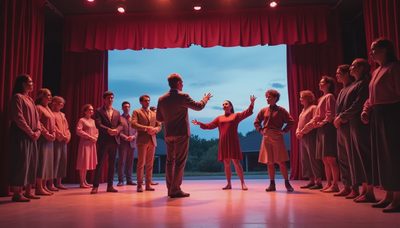
It was dress rehearsal for Guys and Dolls at the East Nashville Community Players. We had a guy playing Nathan Detroit — a mild-mannered accountant named Steve who wore beige slacks and sensible shoes to every rehearsal. He was good. He knew his lines. But he moved like he was walking into a staff meeting.
Then we put him in the jacket.
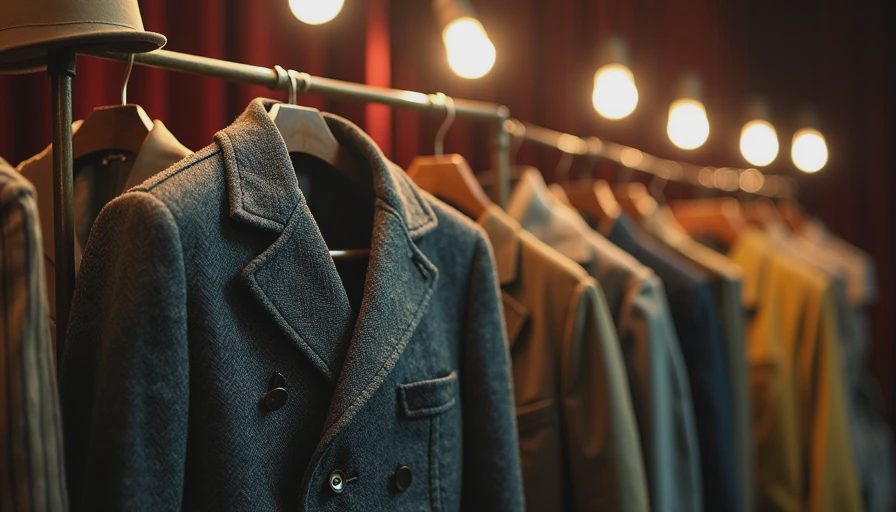
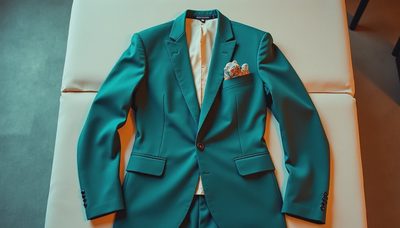
It was a 1940s-style double-breasted number in a charcoal herringbone, slightly padded shoulders, a generous lapel. Nothing fancy — it came from a costume rental place in the next county. But the moment Steve put it on, something shifted. His shoulders pulled back. His stride lengthened. He walked across that stage like he owned the joint.
After the show, Steve came up to me and said, "I don't know what that jacket did, but I felt different in it."
That's the thing about clothes that most guys never realize: they don't just sit on your body. They change how your body sits in the world.
What I Learned from Five Seasons of Theater Costumes
I've been volunteering with East Nashville Community Players for five seasons now. Started when Lila was in a kids' workshop and they needed someone to help with hems. Stuck around because I loved it.
Here's what I've learned from dressing a few hundred actors:
Costumes aren't about looking good. They're about being someone.
When you put on a character's clothes, you're not just covering your body. You're stepping into a set of expectations. The way you stand, the way you move, the way you hold your head — all of that is shaped by what you're wearing.
And here's the thing: it works the same way in real life.

The Jacket Effect: What Actually Happens
The Shoulder Thing
A good jacket does something to your posture. The structure in the shoulders — whether it's a pad or just a well-cut seam — gives you a frame. It tells your body where it should be. Your shoulders naturally square up. Your chest opens. You stand taller.
I've seen this on at least 500 guys in the fitting room. The ones who come in slouching, defeated, apologizing for their bodies? They leave standing like they just got a promotion.
Why It Works: Your body responds to the shape of the garment. When the garment has structure, your body follows.
The Arm Swing
The way a jacket is cut affects how you move your arms. A jacket with good armholes — high and close to the body — lets you swing naturally. A jacket with dropped armholes restricts you, makes you walk like you're carrying a heavy backpack.
In theater, this is critical. A gangster walks differently than a salesman. The costume has to support that. The same is true in real life.
Pro Move: Try this next time you're at a store. Put on a jacket. Walk across the room. How do your arms move? If you feel like a robot, that jacket is fighting you.
The Weight
This one's weird, but hear me out. The weight of a jacket — the fabric, the lining, the hardware — changes your center of gravity. A heavier jacket makes you walk more deliberately. A lighter jacket makes you feel more agile.
In Guys and Dolls, the Nathan Detroit jacket was heavy. The fabric was a dense wool blend, fully lined, with actual metal buttons. It made Steve walk like a guy who was carrying a little extra weight, but in a good way — like he was grounded, solid, not to be trifled with.
I've noticed this with my own casual jackets. The suede trucker I wear to Ryman shows? It's got a nice weight to it. Makes me feel like I'm wearing something substantial. The lightweight bomber I wear to soccer practice? Feels like I'm ready to move.
Real-Life Application: Picking a Jacket That Works
For the Boardroom
You want a jacket that says "I'm in charge" without saying "I'm trying to be in charge." Structured shoulders, a clean lapel, a fabric that drapes well. You should feel like you're wearing armor, but comfortable armor.
What to Look For: A slightly padded shoulder, a notch lapel, a fabric with some weight. Navy or charcoal, no pattern too loud.
For the Show
You want something that says "I'm here to enjoy myself" without saying "I dressed for a photo shoot." Relaxed but intentional. A suede bomber, a trucker jacket, a casual blazer in a soft fabric.
What to Look For: Unstructured shoulders, a softer fabric, a little bit of wear. Something that feels like it's been with you for a while.
For the Weekend
You want to feel like you. No performance, no agenda. A good chore coat. A classic denim jacket. An old leather jacket that's been through a few things.
What to Look For: Comfort, ease, signs of life. If it's too new, it's not ready yet.
The Backstage Rail: What Costumers Know That Most Guys Don't
Here's a secret from the theater world: costumers don't just pick clothes that look good. They pick clothes that help the actor become the character.
That means thinking about:
The Period: What did people wear then? How did it shape their movement?
The Character: What does this person do? How should they move through the world?
The Fabric: How does it move? Does it rustle? Does it hang?
Most guys never think about this stuff. But you should. Because every day, you're stepping into a character — the dad, the boss, the partner, the guy at the party. Your clothes should help you become that person, not fight against you.
The Steve Transformation
Steve the accountant went on to play Nathan Detroit for four nights. He was great. But the thing I remember most is what he said after the final show.
"I'm going to buy a jacket like that. Not a costume, but something that makes me feel like that."
He did. He found a vintage double-breasted blazer at a thrift shop, had the sleeves shortened, and he wears it to date nights now. He told me his wife called it "the good jacket."
That's the power of a jacket. It doesn't just cover you. It changes you.
Lila's Dad Take on This
Lila asked me once why I wear the same jacket to so many things. I told her it's because it makes me feel like myself.
She said, "But Daddy, you're always yourself."
That's the thing about kids. They don't need clothes to know who they are. But we do. We need reminders. We need a little help standing tall. And sometimes, the right jacket is all the help we need.
No letters yet — pray write the first.