The first time I saw a flour dusted jeans outfit, I was standing in a Nashville fitting room with a guy who had just come from making pizza. His jeans had pale streaks across the thighs, his navy overshirt had a little flour on one cuff, and somehow the whole thing looked intentional. That is the trick: the outfit needs to look like a man was doing something useful, not like he bought a costume called “Rustic Weekend.”
Flour dusted denim works because it is casual without being lazy. The light marks break up dark jeans, add texture to a simple outfit, and pair naturally with workwear fabrics such as canvas, chambray, flannel, and brushed cotton. You do not need a closet full of special pieces. You need the right fit and a few colors that make sense together.
Start With the Right Jeans
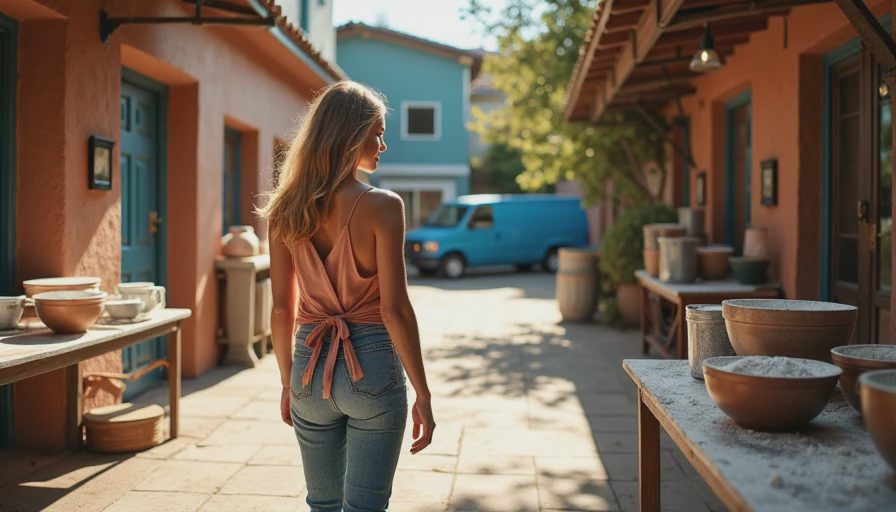
A flour dusted jeans outfit begins with denim that fits cleanly through the seat and thigh. The flour effect already adds visual interest, so avoid jeans with excessive whiskering, ripped knees, painted graphics, or dramatic fading. Too many details compete with one another.
For most men, a mid-rise, straight or athletic-straight cut is the safest place to begin. The waistband should sit comfortably without requiring a belt to hold the jeans up. You should be able to pinch roughly an inch of fabric at the hip, but not several inches. Through the thigh, the fabric should skim rather than cling. At the ankle, aim for a small break over your shoe instead of a pile of denim.
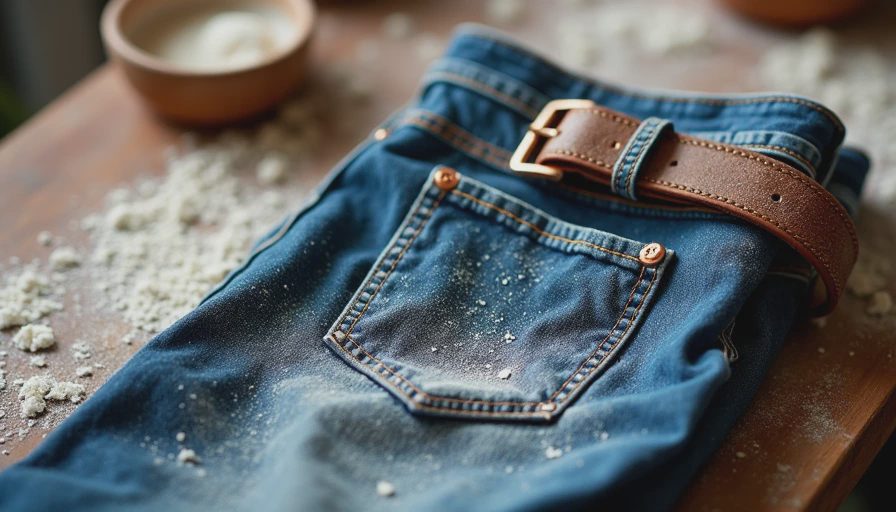
Good options are usually available from Levi’s, Wrangler, Gap, J.Crew, and Bonobos in the $50 to $150 range. Look for a dark indigo base with subtle cream or pale gray abrasion. If the marks are bright white and sharply placed, the jeans can look more like a novelty item. Soft, uneven shading is easier to wear.
Shirts That Balance the Texture
The best flour dusted jeans outfit uses a relatively simple shirt. A solid heavyweight T-shirt in white, oatmeal, charcoal, olive, or washed navy gives the jeans room to do their job. A 6-ounce cotton tee usually looks more substantial than a thin undershirt, especially when worn untucked.
For a slightly sharper version, add an Oxford cloth button-down. White is clean and familiar; light blue keeps the contrast softer. Leave the collar open and roll the sleeves once or twice. The shirt should end around the middle of the zipper area, not halfway down your thighs. A long shirt paired with slim jeans can make your legs look shorter, which is a fitting issue disguised as a styling issue.
Overshirts are another reliable answer. Try a tobacco canvas shirt, faded denim shirt, olive fatigue overshirt, or navy chore jacket. Wear it open over a plain tee. This creates a vertical line down the front of your body and gives the outfit structure without making you look dressed up for a meeting you do not have.
Shoes Make the Outfit Specific
Shoes decide whether this look feels like a weekend uniform, a casual office outfit, or something you threw on to pick up groceries. Brown leather chukkas or plain-toe boots make a flour dusted jeans outfit feel grounded and practical. Thursday Boot Company and Red Wing offer useful styles, while Thursday is often easier on the budget. Expect roughly $150 to $350 for a pair that can handle regular wear.
White leather sneakers create a cleaner, more modern result. Choose a simple low-top without large logos or a thick running sole. Thursday, Adidas, New Balance, and Veja all have straightforward options, though you do not need a fashion label for this to work. Keep the jeans hem close to the shoe so the denim does not swallow the sneaker.
Canvas sneakers work well for summer, especially in off-white, gray, or faded navy. They make the flour marks feel less precious. Black shoes are possible, but they create a stronger contrast and can make the pale denim marks look more deliberate than you intended.
Jackets and Layers for Real Weather
A flour dusted jeans outfit becomes much easier in fall and spring because layering gives the pale denim details some context. A brown waxed cotton jacket, olive field jacket, or navy bomber is enough. These colors are quiet, masculine, and easy to combine with the same jeans several times a month.
For colder weather, wear a heather gray crewneck sweater over a white Oxford shirt. The gray softens the contrast between the jeans and your shoes. A camel topcoat can also work for a casual dinner, but keep the rest of the outfit simple: dark jeans, plain knitwear, and clean boots. You do not need a scarf, hat, watch, and three layers all making a statement at once.
Pay attention to jacket length. A casual jacket should usually finish near the top of your hip. If it ends well below the seat, the proportions can become heavy. If you carry weight through your middle, a jacket worn open over a dark shirt creates a cleaner center line than a tight, zipped layer.
Three Easy Outfit Formulas
For Saturday errands, try dark flour-marked jeans, a white heavyweight tee, an olive overshirt, and off-white canvas sneakers. The colors are relaxed, and every piece can survive a coffee spill or a trip to the hardware store. This is the most forgiving flour dusted jeans outfit because nothing looks overly polished.
For a casual office, wear the denim with a light blue Oxford shirt, a brown leather belt, and suede chukka boots. Add a navy unstructured blazer only if your workplace already accepts jeans. The blazer should have soft shoulders and patch pockets; a stiff business suit jacket will look disconnected from the denim.
For dinner, use a charcoal merino crewneck, dark brown boots, and a simple watch. Let the jeans provide the texture. If you add a patterned shirt, keep the pattern small and low contrast. A large plaid combined with pale denim marks, rugged boots, and a field jacket can push the outfit into costume territory quickly.
Fit Checks Before You Leave
Stand sideways in a mirror. The jeans should follow your shape without outlining every detail. Sit down and confirm the waistband does not dig into your stomach. Walk ten steps and see whether the hem catches under your heel. These small checks matter more than the brand on the label.
Check the shirt from the side as well. If the fabric balloons at your lower back, size down or choose a straighter cut. If buttons pull across your chest, size up and have the sleeves adjusted rather than pretending the problem will disappear. A $15 sleeve alteration can make a $60 shirt look considerably better.
Finally, inspect the flour pattern in natural light. Some pale denim is simply washed; some is treated to look dusty. Either is fine, but the marks should blend into the jeans instead of appearing like white paint. If the effect is subtle from six feet away, you have a wearable pair.
A good flour dusted jeans outfit should feel easy, not precious. Start with a clean straight fit, add one textured layer, and choose shoes that explain where you are going. You can buy the jeans for $70 and build the rest from clothes already in your closet. Fit first. The rest is noise.

No letters yet — pray write the first.